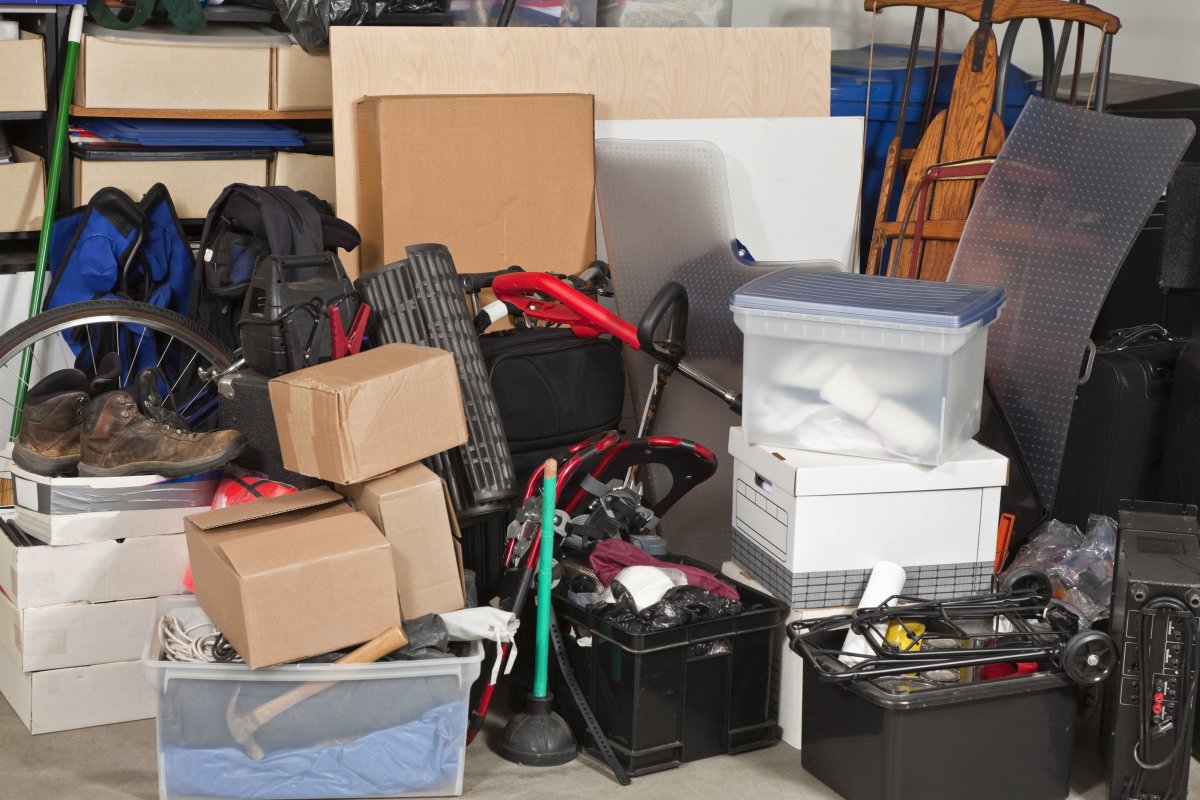

Choosing the correct dumpster size is one of the most important steps when planning a cleanout, renovation, construction task or yard project. Many homeowners and contractors struggle to understand the size of rental dumpsters, especially when comparing options like a 10 yard dumpster, a 12 yard dumpster, a 15 yard dumpster, a 20 yard dumpster, a 30 yard dumpster or even a 40 yard dumpster. Each option has its own typical dumpster dimensions, weight limits and ideal uses. Understanding these details helps you avoid overpaying for space you do not need and prevents issues that come from choosing a dumpster that is too small for the materials you want to remove.
Dumpster size charts and roll off container sizes are generally measured in cubic yards. This measurement explains the total volume of the dumpster. For example, a 10 cubic yard dumpster is smaller than a 15 cubic yard dumpster, and a 20 cubic yard dumpster has noticeably more room than a 12 yard dumpster. However, cubic yard measurements do not always show you the true height, width and length of trash dumpster dimensions. Because of that, it becomes important to review both cubic yard capacity and actual dumpster dimensions before making a decision.
Homeowners often compare 10 yd dumpster size details with 12 yard dumpster dimensions or ask how big is a 10 yd dumpster when planning a small cleanout or furniture removal. On the other hand, contractors usually focus on larger models like 20 yard dumpster dimensions, 30 yard dumpster dimensions or size of a 40 yard dumpster for heavy loads, construction debris or demolition work. Since the needs of every project vary, knowing the range of dumpster sizes in yards helps you choose the correct size right from the start.
How Dumpster Capacities Are Measured
Dumpster capacities are measured in cubic yards, which means the total volume a dumpster can hold. One cubic yard equals a box that measures three feet by three feet by three feet. When you look at options like a 15 cubic yard dumpster or a 20 cubic yard dumpster, these names tell you the volume inside the container. However, two dumpsters with the same volume may have slightly different dumpster dimensions depending on the manufacturer and the style of roll off dumpster.
This method of measuring capacities helps you compare different dumpster sizes in yards without confusion. A 10 cubic yard dumpster will always be smaller than a 15 yard dumpster size. A 20 yard dumpster will always have more space than a 12 yard dumpster. Once you understand how these measurements work, choosing between options like small dumpsters, medium dumpsters or large roll off sizes becomes easier and more efficient.
Cubic Yards vs Actual Dimensions
Although cubic yards tell you the volume of the dumpster, actual measurements determine how much space the dumpster will take up on your driveway or job site. Trash dumpster dimensions include the length, width and height of the container. For instance, many standard dumpster sizes have a common width but vary in length and height. This means two dumpsters with the same capacity may look different from the outside.
Typical dumpster dimensions for a 10 yard model may be shorter but higher in height, while a 12 yard dumpster may be slightly longer and lower. A 15 yard dumpster dimension chart may show a wider container depending on the provider. Larger models like a 30 yard dumpster or a 40 yard dumpster may require clear space on the ground before delivery. Considering these details prevents delivery issues, especially when placing dumpsters in narrow driveways, small alleys or compact spaces.
Weight Limits and Tonnage Explained
Every dumpster has a weight limit. These limits prevent damage to trucks and landfills and ensure safe transportation. When selecting roll off dumpster sizes, consider both volume and weight. For example, concrete, bricks, roofing shingles, tiles and soil are extremely heavy materials. A dumpster that seems large enough in volume may exceed its weight capacity very quickly when filled with heavy debris.
Weight limits are usually measured in tons. A ton equals two thousand pounds. The allowed tonnage varies by dumpster size and by the local waste management rules in your region. A 10 cubic yard dumpster may allow two to three tons, while a 20 yard dumpster might allow three to four tons depending on the material type. A 30 yard dumpster and a 40 yard dumpster often have higher limits, yet even these larger sizes must follow specific landfill guidelines.
Exceeding these limits can result in overweight fees, which are usually more expensive than upgrading to a larger container. Because of that, understanding full dumpster capacities, weight limits and the type of material you plan to remove is essential.
Your Guide to Choosing the Right Dumpster Size
Selecting the right dumpster size affects the efficiency of your entire project. When people ask what size dumpster do I need or how do I know what size dumpster I need, the decision often depends on the type of work, the amount of debris and the available space for placement. Many homeowners compare options like 10 yard dumpster dimensions, 12 yard dumpster dimensions, 15 yard dumpster dimensions and 20 yard dumpster dimensions before starting any cleanup. Contractors usually jump to larger choices such as 30 yard dumpster dimensions or 40 yard dumpster dimensions when working with heavier materials. Understanding dumpster container sizes helps you avoid unnecessary trips, extra rental charges and issues that come from selecting a container that is smaller than required for the job.
Because projects vary in size and complexity, knowing the correct roll off dumpster size for your exact plan becomes important. Some jobs require small dumpsters such as 3 yard dumpsters, 4 yard dumpsters or 8 yard dumpster dimensions when space is tight. Other tasks call for larger roll off container sizes that provide room for bulky items, broken structures or significant renovation debris. Moving through each project type allows you to match the right size of rental dumpsters with confidence. With this guide, you will have a clear understanding of which dumpster sizes in yards work best for residential, commercial and landscaping needs.
Residential Projects
Residential projects often involve a wide range of debris, which makes choosing the right dumpster size extremely important. Many homeowners need guidance when deciding how big is a 10 yd dumpster or how big is a 12 yard dumpster for their specific tasks. Smaller cleanouts such as a bedroom, garage or attic can usually fit within options like 10 cubic yard dumpster models or 12 yard dumpster dimensions. These sizes work well for modest piles of household items, small furniture pieces, clothing and general clutter. A 10 yd dumpster size is also common when completing small home clean out tasks, including garage cleanouts that require a simple and compact solution.
When projects grow in scale, such as multi room cleanouts, roof tear offs or moderate home renovation, many homeowners move toward 15 yard dumpster size choices or even a 20 yard dumpster. A 15 cubic yard dumpster provides more space for common home waste, broken cabinets, damaged flooring and light construction debris. The 20 cubic yard dumpster dimensions offer a popular balance of space and capacity, which is why they remain a common choice for home cleanouts, heavy furniture removal and remodeling work. Home clean out dumpster rental tasks become much easier when you select the correct size at the start, which prevents overflowing or ordering multiple containers.
For whole home cleanouts or moves that involve bulky items, homeowners sometimes consider larger sizes. While 30 yard dumpster dimensions may feel oversized for many households, there are situations where this becomes the ideal choice. Projects that include old furniture, large appliances or heavy sections of drywall benefit from the space these larger sizes provide. Although a 40 yard dumpster may seem too large for average residential work, some extensive renovations or full property cleanouts do require the size of a 40 yard dumpster. Asking what size dumpster do I need for furniture often leads to a recommendation between a 15 yard dumpster, a 20 yard dumpster or a 30 yard dumpster depending on the number of pieces being removed.
Commercial or Contractor Projects
Commercial jobs, contractor work and ongoing construction tasks often require bigger and more durable dumpster sizes. Typical dumpster sizes for these environments range from 20 yard dumpster dimensions to the much larger 40 yard dumpster dimensions. Contractors handling demolition, framing removal or roofing projects rely on roll off sizes that can handle significant weight and volume. Waste management dumpster sizes for commercial use follow strict guidelines, which is why knowing standard dumpster sizes can prevent problems during drop off, pickup and disposal.
For light construction work or initial phases of a project, contractors sometimes begin with medium sized options such as 15 cubic yard dumpster models. As the job progresses into larger demolition or structural removal, the need often shifts toward 30 yard dumpster dimensions or even 40 yard dumpster dimensions. These sizes allow enough space for drywall, framing wood, concrete fragments, roofing shingles and heavy mixed debris. The size of rental dumpsters becomes even more important when deadlines are tight or when repeated hauls could slow down progress.
A full dumpster on a commercial site can delay work, which is why choosing the correct capacity is vital. Contractors often use multiple dumpsters based on the type of material collected. For example, a 10 cubic yard dumpster is helpful for heavy materials while a 20 yard or 30 yard container may be used for bulkier items. Understanding roll off container sizes ensures that every phase of the project stays on schedule and avoids costly overweight charges. The right choice also keeps work areas cleaner, safer and easier for crews to navigate.
Landscaping and Yard Waste Uses
Landscaping projects create a mix of soil, branches, shrubs, grass and outdoor debris that require proper disposal. Many homeowners and landscaping crews ask how big of a dumpster do I need for yard work. For small yard waste jobs, options such as 8 yard dumpster dimensions or even a 10 cubic yard dumpster can be enough to remove leaves, light brush or simple garden cleanup material. These small dumpsters remain easy to place on driveways or near garden areas where access is limited.
When the project becomes larger, such as removing damaged trees, clearing out overgrown areas or handling storm debris, bigger sizes become necessary. Landscaping teams often choose 12 yard dumpster dimensions for moderate yard work or move to a 15 yard dumpster size when soil, branches or heavier natural materials are involved. The 15 yard dumpster dimensions provide enough room to stack yard debris without constant emptying. For more extensive jobs, a 20 cubic yard dumpster becomes a strong choice, especially when clearing large trees or removing full sections of backyard growth.
Landscaping crews working on complete yard rebuilds or large property clearing tasks often choose even larger roll off sizes. Projects that involve logs, tree roots, heavy soil or large volumes of organic waste may require 30 yard dumpster dimensions. In rare cases, massive landscaping reconstruction or land preparation may even call for the size of a 40 yard dumpster. Knowing the typical dumpster dimensions for each size helps crews load waste efficiently without overfilling. Since yard waste is often lighter than construction debris, the right dumpster size ensures enough space without surpassing weight limits.
Roll Off Dumpster Sizes and Dimensions
Roll off dumpsters come in a wide range of sizes, which allows homeowners and contractors to match the perfect option with the type of debris they expect to remove. When choosing between dumpster sizes in yards, it helps to understand how each model differs in capacity, height and overall space. Many people begin by comparing typical dumpster dimensions such as 2 yard, 3 yard or 4 yard dumpsters before moving toward larger roll off container sizes like the 10 cubic yard dumpster or the 20 cubic yard dumpster dimensions. Understanding each size helps prevent overfilling, extra fees and the inconvenience that comes from ordering a dumpster that is not large enough for the task.
The following breakdown explains common roll off dumpster sizes and how each one fits different home, commercial and landscaping needs. By reviewing these options, you will understand trash dumpster dimensions, standard dumpster sizes and which size of rental dumpsters fits your specific project.
2 Cubic Yard Dumpster
A 2 cubic yard dumpster is one of the smallest waste solutions available and is often used in compact spaces or light cleanup tasks. These small dumpsters fit easily behind small businesses or beside homes where placement space is limited. They work well for small quantities of trash, light household items or office waste. Although the 2 cubic yard dumpster is not common for renovation work, it serves well in situations where a regular wheelie bin does not provide enough capacity. Because of its compact size, this option remains popular for light commercial use.
3 Cubic Yard Dumpster
The 3 yard Dumpster offers a slightly larger capacity than the 2 yard model and is ideal for small scale cleanup tasks. Many homeowners pick 3 yard dumpsters for quick decluttering or for disposing of light materials during minor updates. The 3 yard dumpster dimensions make it easy to place in tight locations such as short driveways or behind small shops. It is not large enough for major construction debris, but it works well for basic trash removal or small furniture pieces.
4 Cubic Yard Dumpster
A 4 yard dumpster provides more room for small business waste, home office cleanouts or small household projects. The 4 yard dumpster dimensions give you enough volume to remove moderate amounts of debris without requiring a larger roll off dumpster size. It is a frequent choice for property managers who need an efficient solution for routine waste. This size remains easy to place and is one of the typical dumpster sizes used for everyday disposal needs.
5 Cubic Yard Dumpster
A 5 cubic yard dumpster bridges the gap between smaller commercial bins and early stage residential cleanup. The added capacity makes it useful for disposing of small furniture, light renovation waste or garage clutter. Homeowners who need something larger than a standard bin often choose this size. While it is not large enough for heavy construction debris, the 5 yard dumpster works well for general use and fits in most driveways.
8 Cubic Yard Dumpster
The 8 yard dumpster dimensions offer larger capacity for multi room cleanouts, small business waste and lightweight renovation debris. Many people looking for dumpster sizes 8 yard options choose this model when they need a practical yet spacious waste container. It is useful for disposing of boxes, household clutter, small fixtures and yard waste. Businesses with steady waste output often rely on this size, and homeowners appreciate its capacity for medium cleanup projects.
10 Cubic Yard Dumpster
When people ask how big is a 10 yd dumpster or how big is a 10 cubic yard dumpster, the answer is that it is compact but strong enough for heavy materials. This size is commonly used for concrete, dirt, bricks and other dense debris. The 10 yard dumpster dimensions also make it practical for bathroom remodels, small kitchen updates and garage cleanouts. This size is easy to load and fits comfortably in most driveways, which explains its popularity among homeowners completing their first renovation.
12 Cubic Yard Dumpster
Homeowners often choose the 12 yard dumpster dimensions for moderate projects that produce a mix of lightweight and medium weight debris. For people asking how big is a 12 yard dumpster, it offers more room than the 10 yard model without requiring extra space for placement. It is ideal for removing old cabinets, flooring, damaged appliances and yard waste. Because the size remains manageable, many small contractors also use it for routine job site cleanups.
15 Cubic Yard Dumpster
The 15 cubic yard dumpster is a reliable choice for landscaping teams and homeowners working on yard cleanup projects. The 15 yard dumpster size is perfect for branches, soil, shrubs and mixed yard waste. Many customers who need a dumpster for garage clean out also select this size because the 15 yard dumpster dimensions provide enough space to remove boxes, old tools, general clutter and small furniture. It remains a flexible option for household and outdoor work.
20 Cubic Yard Dumpster
The 20 yard dumpster dimensions make this one of the most common solutions for large home cleanouts, furniture removal and moderate remodeling. For people asking what size dumpster do I need for furniture, this size often meets the requirement. The 20 cubic yard dumpster dimensions allow enough room for bulky items without occupying excessive driveway space. This size works well for carpet removal, drywall disposal and household cleanouts that require more capacity than smaller models.
30 Cubic Yard Dumpster
The 30 yard dumpster dimensions provide excellent capacity for large remodeling work, multi room renovations and light construction tasks. This size can handle broken walls, flooring, wood framing and bulky debris produced during major updates. Contractors often use this size when they need reliable waste removal that keeps a job site clean and efficient. Homeowners undertaking massive renovation tasks also find this size helpful because of its large interior space.
40 Cubic Yard Dumpster
When people ask how big is a 40 yard dumpster or the size of a 40 yard dumpster, they are usually working on major demolition, construction or industrial projects. The 40 yard dumpster dimensions offer the highest volume of any standard roll off size. It provides enough room for roofing material, heavy construction debris, broken fixtures and large volumes of discarded wood or drywall. This size is used when a project demands maximum capacity and when repeat hauls must be kept to a minimum.
Dumpster Size Calculator
A dumpster size calculator helps you find the right roll off container for your project by estimating the weight and volume of your debris. Whether you are handling concrete, asphalt, roofing shingles, drywall, carpet, or general household waste, this tool determines the best size based on accurate measurements. You only need to enter details like area, thickness, sheet count, or roofing squares, and the calculator instantly shows the estimated weight and the most suitable dumpster size. It prevents overweight charges, avoids undersized containers, and helps you plan your job with confidence. This tool is ideal for renovation, construction, demolition, roofing, and large cleanup projects.
Find the Right Dumpster for Your Project
Choosing the correct dumpster size is essential for safe loading, avoiding overweight fees, and keeping your project on schedule. Different projects create different types of debris, from heavy concrete and asphalt to roofing shingles, drywall, carpet, and flooring materials. Each type has its own weight range, loading rules, and recommended container size. This calculator helps you estimate the total weight of your debris and identifies the most suitable dumpster size based on accurate measurements.
Our calculator covers residential, commercial, and construction projects. Whether you are removing concrete from a driveway, replacing a roof, demolishing old drywall, or clearing carpet during renovation, this tool provides the best possible size recommendation. It eliminates guesswork and helps prevent costly mistakes.
How This Dumpster Calculator Helps You
This calculator allows you to quickly estimate debris weight for multiple materials. You only need to enter basic information such as square footage, thickness, type of material, or number of roofing squares. The tool then calculates an estimated debris weight and recommends the right roll off dumpster size.
It also provides the expected number of containers needed for large projects and shows cost estimates to help you compare expenses. With this information, you can plan your job more effectively and stay within safe loading guidelines.
When to Use This Calculator
You should use this tool before starting any construction, demolition, or cleanup job. It helps when you want to:
- Prevent overweight charges
- Avoid choosing a container that is too small
- Compare costs between different sizes
- Plan debris removal for large jobs
- Determine how many dumpsters your project requires
This ensures a smooth process from start to finish.
Start Your Calculation
Below is the complete interactive tool. Enter your material details, view estimated weight, see the recommended dumpster size, and get guidance on the number of containers your project may need.
Pro Dumpster Size Calculator
Key Factors for Choosing the Perfect Dumpster Size
Selecting the right dumpster size is one of the most important decisions during renovation, cleanup or construction projects. Many people search terms like what size dumpster do I need or how do I know what size dumpster I need because choosing the wrong size can create delays and extra costs. When you understand how the type of debris, amount of debris, expected weight, delivery location and local rules influence your choice, it becomes much easier to select the right option. These factors help you compare typical dumpster dimensions, roll off container sizes and waste management dumpster sizes so you can match the correct dumpster size with your project.
Type of Debris
The type of debris you plan to load is one of the strongest indicators of what size dumpster you need. Heavy debris such as concrete, bricks, soil or asphalt often requires smaller containers because these materials reach weight limits quickly. In many cases, people choose a 10 cubic yard dumpster or a 12 yard dumpster when removing heavy items because these sizes can carry dense materials without exceeding weight restrictions. Lightweight items such as carpet, household clutter or furniture may require larger dumpsters such as 20 yard or 30 yard models. Understanding the nature of your debris makes choosing between small dumpsters or larger roll off sizes much easier.
Amount of Debris and Volume
Knowing the amount of debris you expect to remove is essential because it determines the dumpster size you will need. People often ask how big of a dumpster do I need because volume varies widely among project types. For example, a small garage cleanup may only require a 10 yd dumpster size, while a multi room renovation may need a 20 yard or 30 yard dumpster. Volume also affects whether you choose 8 yard dumpster dimensions, 15 yard dumpster dimensions or 40 yard dumpster dimensions. Estimating the number of bags, boxes or pieces of old furniture helps identify the correct dumpster container sizes. When in doubt, selecting the next larger size prevents the risk of ordering a full dumpster that fills too quickly.
Total Expected Weight
Every dumpster has a weight limit set by local disposal facilities. Some renters only consider space and forget about the weight restrictions that come with different sizes of rental dumpsters. For example, a 30 yard dumpster might appear large enough for roofing debris, but the weight of shingles can exceed limits before the container is full. This is why many people choose specific models such as a 15 cubic yard dumpster or 20 cubic yard dumpster dimensions for medium weight debris. For heavy materials, the safest choices are smaller options like 10 yard dumpster dimensions because they help prevent overweight fees. Weight plays an important role in determining which roll off dumpster size will work well for your disposal needs.
Delivery Location and Space Limitations
Your placement area also plays a major role when selecting dumpster sizes in yards. Some properties have short driveways or narrow access points that can only accommodate smaller models such as 3 yard dumpsters, 4 yard dumpsters or 10 yard dumpsters. Large models such as 30 yard dumpster dimensions or size of a 40 yard dumpster may not fit comfortably in tight residential spaces. Before choosing a dumpster, review the available space to ensure safe placement. This helps avoid the issue of ordering a dumpster that cannot be delivered due to space limitations. Understanding placement requirements allows you to select a dumpster size that fits your property without causing damage or blocking important areas.
Local Regulations and Weight Restrictions
Local disposal rules influence which dumpster you can use for your project. Many cities have guidelines that limit the amount of certain materials allowed in one load. These rules affect whether you need a small dumpster or a larger option. Weight restrictions often apply to heavy debris, which is why smaller containers like 10 yd dumpster dimensions or 12 yard models are typically recommended for concrete or asphalt. Regulations may also affect where the dumpster can be placed. For example, some areas require permits when placing dumpsters on public streets. Knowing these regulations before ordering helps ensure a smooth rental experience and prevents unexpected delays during your cleanup.
What Size Roll Off Dumpster Do I Need for My Project?
Choosing the right roll off dumpster size depends on the type of project you are planning and the amount of debris you expect to remove. Every project creates different waste volumes, which means each job needs a specific dumpster capacity to stay efficient and cost friendly. Smaller projects may only need a 10 yard or 12 yard dumpster, while bigger jobs like remodeling or construction work often require 20 yard, 30 yard, or even 40 yard dumpsters. Understanding your debris volume, available space, and project scale helps you avoid extra fees and multiple hauls. This section guides you through the best dumpster sizes for common projects so you can make a smart and hassle free choice.
Heavy Debris — Best Size: 10 Yard
A 10 yard roll off dumpster works well for dense and heavy materials that take up little space but add significant weight. Concrete, bricks, tiles, and asphalt fall into this category. This dumpster size is small enough to fit in narrow driveways yet strong enough to handle tough debris without exceeding weight limits. Many homeowners and contractors use a 10 yard dumpster for small demolition work or concrete disposal since it reduces the risk of overweight fees and provides enough capacity for heavy loads.
Small Renovation — Best Size: 12 Yard
A 12 yard dumpster is perfect for minor home renovation projects where you expect moderate debris but limited space. It handles materials from bathroom upgrades, small kitchen updates, and flooring removal. The compact size makes it a smart option for residential neighborhoods where driveway space is limited. A 12 yard roll off dumpster also works well when you need more room than a 10 yard but do not require a larger container. It keeps disposal simple and cost friendly.
Landscaping — Best Size: 15 Yard
A 15 yard dumpster is ideal for yard work and landscaping projects. It fits tree branches, shrubs, soil, mulch, and other organic debris. This dumpster size is spacious enough to handle a full yard cleanup yet not too large for residential driveways. Landscapers often choose this size for seasonal cleanup jobs since it offers plenty of room for bulky green waste. If your project includes tree trimming, sod removal, or clearing storm debris, a 15 yard roll off dumpster will work well.
Home Cleanouts — Best Size: 20 Yard
A 20 yard roll off dumpster is the most popular choice for home cleanouts because it offers the perfect balance between capacity and convenience. It handles furniture, clothing, boxes, appliances, and general household clutter. Whether you are cleaning an attic, garage, basement, or an entire property, a 20 yard dumpster gives you the space you need without becoming too large for typical residential areas. It is also a common size for moderate renovation and light construction debris.
Remodeling Work — Best Size: 30 Yard
A 30 yard dumpster is a strong choice for large remodeling projects that generate significant waste. It works well for multi room renovations, flooring removal, drywall replacement, and cabinetry disposal. Contractors use this size for commercial or residential upgrades that require continuous debris removal. A 30 yard roll off dumpster provides generous space, allowing your project to stay organized while reducing the number of hauls needed throughout the job.
Construction and Demolition — Best Size: 40 Yard
A 40 yard dumpster is best suited for major construction and demolition projects. It offers the largest capacity and can handle bulky materials from full home builds, commercial construction, roof tear offs, and large scale cleanouts. Contractors often rely on this size when working on high volume debris jobs that require efficient disposal. If your project involves extensive framing, large furniture removal, or heavy demolition waste, a 40 yard roll off dumpster will deliver the space needed to keep the site clear and productive.
Popular Dumpster Sizes by Project Type
Every project has different cleanup needs, which means choosing the right dumpster size is essential for smooth waste removal. Whether you are handling a home cleanout, a renovation, roofing work, or a major construction job, each task produces a different volume of debris. Smaller projects may require compact roll off dumpsters like 10 yard or 12 yard units, while larger builds often need 20 yard, 30 yard, or 40 yard dumpster sizes. Understanding these common project categories helps you quickly match your job with the most efficient dumpster option. In this section, you will find a breakdown of the most popular dumpster sizes for each project type, making it easier to decide what fits your cleanup needs.
Home Cleanout Dumpster Sizes
Home cleanouts usually create mixed household debris, which means you need a dumpster that can handle bulky items without being oversized. For small cleanouts or decluttering, a 10 yard dumpster works well. Medium cleanouts, such as garage, attic, or basement cleanup, often fit comfortably in a 15 yard or 20 yard dumpster. If you are clearing out an entire home or handling an estate cleanout, a 20 yard or 30 yard dumpster offers enough room for furniture, boxes, appliances, and general trash. These sizes help you avoid multiple hauls while keeping the project simple.
Remodeling & Renovation Dumpster Options
Remodeling projects produce materials like drywall, cabinets, flooring, and old fixtures. Smaller remodels such as bathrooms or laundry rooms usually fit in a 12 yard dumpster. Larger renovation projects, including kitchens or multiple rooms, commonly require a 20 yard dumpster. Full home remodels or major redesign projects often need a 30 yard dumpster to manage heavier and bulkier waste. Choosing the right size ensures efficient construction debris removal and prevents overflow issues.
Roofing Project Dumpster Sizes
Roofing jobs create dense and heavy shingles, which means weight capacity matters more than volume. A 10 yard dumpster is often the best fit for small to medium roofing projects. For larger roofs, contractors usually rely on a 15 yard or 20 yard dumpster to handle shingles, underlayment, and damaged decking. These sizes prevent overweight fees while giving enough space for roofing tear-off materials.
Construction Project Dumpster Sizes
Construction sites generate a significant amount of debris, ranging from lumber and drywall to metal scraps and packaging. For small construction tasks or room additions, a 20 yard dumpster offers enough capacity. Larger construction or demolition jobs often require a 30 yard dumpster. Massive builds, commercial projects, or multi-level construction sites typically need a 40 yard dumpster to manage high volumes of waste efficiently. These sizes reduce downtime and keep job sites clean.
Landscaping Project Dumpster Sizes
Landscaping work produces a mix of yard waste, including soil, branches, shrubs, and sod. Smaller outdoor projects usually fit well in a 10 yard or 12 yard dumpster. Medium-sized landscaping tasks like tree trimming or garden clearing often require a 15 yard dumpster. Larger outdoor projects, such as removing old landscaping beds or dealing with storm debris, may need a 20 yard dumpster to handle heavier organic waste.
Heavy Debris Dumpster Options
Heavy debris such as concrete, bricks, dirt, or stone requires a smaller dumpster with a higher weight allowance. A 10 yard dumpster is the preferred choice because it prevents overweight penalties while offering enough space for dense materials. For larger heavy debris jobs, multiple 10 yard dumpsters are often safer than using one oversized unit. Some contractors also use 12 yard dumpsters for mixed heavy waste as long as weight limits are followed.
Roll Off Dumpster Rental Size Resources
Roll off dumpster rental size resources help you compare typical dumpster sizes, understand roll off container sizes, and choose the right dumpster size for any project. These resources include charts, calculators, and guides that explain dumpster dimensions, weight limits, and capacity. By reviewing size of rental dumpsters and waste management dumpster sizes, you can confidently decide what size dumpster you need for a home clean out, renovation, or construction task. This helps prevent choosing the wrong size and supports efficient debris removal.
Dumpster Size Comparison Chart
A dumpster size comparison chart lets you see clear differences between 10 yard dumpster dimensions, 12 yard dumpster dimensions, 15 yard dumpster dimensions, 20 yard dumpster dimensions, 30 yard dumpster dimensions, and 40 yard dumpster dimensions. The chart also shows typical dumpster dimensions and trash dumpster dimensions so you can understand how big of a dumpster you need. It helps compare small dumpsters for a garage clean out with larger roll off dumpster size options for remodeling or construction projects.
Dumpster Weight Calculators
Dumpster weight calculators help you estimate how much weight your debris will create before selecting a dumpster. These calculators use average weights for drywall, furniture, shingles, flooring, carpet, concrete, and general household junk. When you enter your debris type and approximate volume, the calculator suggests options like a 10 yd dumpster size for heavy material or a 20 yard dumpster size for home renovation work. This prevents ending up with a full dumpster that exceeds weight limits.
Understanding Dumpster Weight Limits
Each dumpster has a specific weight limit based on its size and the type of debris. A 10 cubic yard dumpster often handles heavier waste better than larger units because dense debris reaches weight limits quickly. Understanding weight limits helps you decide what size dumpster you need and prevents issues with overweight loads. By comparing waste management dumpster sizes and reviewing roll off container sizes, you can select the right option for shingles, concrete, drywall, or mixed household debris.
Tips to Avoid Overweight Dumpster Fees
You can avoid overweight fees by selecting the correct dumpster size, estimating debris weight accurately, and loading items efficiently. Start by reviewing standard dumpster sizes to see which option matches your project. Break down bulky items before placing them inside and avoid mixing heavy debris with light debris in large quantities. Choosing the right dumpster for garage clean out, home clean out dumpster rental, or renovation projects keeps the container within weight limits and prevents unexpected charges.
Do You Have Lots of Junk to Get Rid Of?
If you have a growing pile of junk at home or at a job site, choosing the right dumpster size helps you complete your cleanup without stress. Whether you are clearing out a garage, handling a home renovation, or removing old furniture, different dumpster sizes fit different needs. Small dumpsters work well for quick cleanouts while medium and large dumpsters handle bigger loads like remodeling debris, roofing material, or heavy junk. Understanding how much waste you have makes it easier to decide what size dumpster you need so the container does not get filled too quickly or become a full dumpster before your project is finished.
When You Need a Small Dumpster
A small dumpster is ideal when you are dealing with limited debris or handling a compact space like a small room, attic, or closet. Sizes like a 3 yard dumpster, 4 yard dumpster, or 10 yard dumpster dimensions work well for minor home clean out tasks, small furniture removal, or junk that fits into small dumpsters. These options also help when you need a dumpster for a garage clean out but do not have enough waste to justify larger units. Small roll off sizes save money, fit in tight driveways, and still offer enough room for light debris, household clutter, and other small scale projects.
When You Need a Medium Dumpster
A medium dumpster is best for projects like small renovations, general home cleanouts, yard work, or removing bulky items. Options such as 12 yard dumpster dimensions, 15 yard dumpster dimensions, 16 yard dumpster, and 20 yard dumpster dimensions provide a balance of space and affordability. These dumpsters work well when you are unsure how big of a dumpster you need but know your debris will be more than what small dumpsters can handle. A medium dumpster is also helpful when loading mixed material like furniture, carpets, or light construction debris because the size offers better volume without taking up too much space on your property.
When You Need a Large Dumpster
A large dumpster is the right choice when you have a high volume of debris or heavy material from remodeling, demolition, or large home cleanouts. Sizes like 25 yard dumpster dimensions, 30 yard dumpster dimensions, and 40 yard dumpster dimensions hold significant amounts of waste and are often used for construction debris, roofing removal, and major renovation work. These dumpsters give you the extra room needed when dealing with oversized items, multiple furniture pieces, or large quantities of drywall and flooring. If you expect rapid accumulation of waste and want to avoid renting multiple containers, a large roll off dumpster size ensures your cleanup stays efficient and organized.
Need to Rent a Roll Off Dumpster?
When you need to rent a roll off dumpster, choosing the right container helps you manage debris from home cleanouts, renovation tasks, landscaping work, or construction projects. Roll off container sizes range from small dumpsters to larger units like 20 yard dumpster dimensions or 30 yard dumpster dimensions, giving you flexible options for different waste types. Whether you are removing old furniture, yard debris, or bulky materials, selecting the correct dumpster size keeps your cleanup efficient and prevents ending up with a full dumpster before your project is done. This guide explains the most common materials people throw away and which dumpster sizes work best for each category.
Yard Waste Disposal
Yard waste disposal often includes grass, branches, bushes, soil, and general landscaping debris. Medium sizes like 12 yard dumpster dimensions, 15 yard dumpster dimensions, and 16 yard dumpster units work well because they provide enough space without being oversized. These dumpsters also help with seasonal cleanups and yard renovation tasks that create more debris than expected.
Household Items and Clothing
If you are clearing closets, bedrooms, or storage spaces, small to medium dumpsters are ideal. Options like 10 yd dumpster size, 12 yard dumpsters, or 15 cubic yard dumpster choices provide enough room for clothing, boxes, toys, and personal items. These sizes are perfect for home clean out dumpster rental tasks when the goal is to remove clutter and make space.
Siding and Drywall
Removing siding or drywall produces lightweight but bulky debris. A 20 yard dumpster size or 25 yard dumpster dimensions work well because they offer enough room for long sheets and broken pieces. The container handles the volume without reaching weight limits too quickly, making it suitable for interior renovation projects.
Construction Debris
Construction debris such as lumber, metal, insulation, tiles, and framing materials requires larger dumpster sizes. Depending on the size of rental dumpsters you prefer, common choices include 20 yard dumpster dimensions, 30 yard dumpster dimensions, and 40 yard dumpster dimensions. These roll off sizes provide the strength and room needed for ongoing construction or demolition work.
Roofing Debris
Roofing debris, especially shingles, becomes heavy fast. A 10 yard dumpster dimension or 12 yard dumpster is often recommended because these sizes hold weight well without overloading. If you have a larger roof, a 20 cubic yard dumpster dimensions option also works for holding torn roofing material efficiently.
Hardware and Fixtures
Old fixtures like sinks, cabinets, pipes, and metal hardware fit well in medium dumpsters. A 15 yard dumpster size or 16 yard dumpster gives you the right balance of space for bulky pieces without switching to a much larger roll off dumpster size.
Carpeting and Flooring
Carpeting and flooring removal creates long rolls and heavy stacks. A 20 yard dumpster size or 30 yard dumpster always works well since these containers offer room for rolled carpet, padding, laminate, and wood planks. Their capacity helps prevent overpacking while keeping disposal simple.
Furniture and Bulky Items
When removing furniture or oversized household items, choose a dumpster designed for volume. A 15 cubic yard dumpster, 20 yard dumpster dimensions, or even a 30 yard dumpster dimensions unit can handle couches, beds, tables, dressers, and other bulky items easily. These sizes are also recommended for full home clean outs.
Toys and Miscellaneous Items
For old toys, boxes, storage bins, decor, and small household junk, a compact unit like a 10 yard dumpster dimensions or 12 yard dumpster helps you clear clutter quickly. These dumpsters are ideal for organizing basements, attics, or kids rooms without renting a very large container.
Mattress Disposal
Mattress disposal requires a dumpster with enough length and height. A 15 yard dumpster size or 20 yard dumpster size comfortably fits mattresses, box springs, and bed frames. These dumpsters also help when removing multiple mattresses during apartment cleanouts or rental property turnovers.
Concrete and Asphalt Disposal Dumpster Sizes
Concrete and asphalt disposal requires strong roll off dumpster sizes that can handle dense and heavy materials without exceeding weight limits. Since concrete, bricks, blocks, and asphalt weigh much more than regular debris, choosing the correct dumpster size prevents overweight fees and ensures safe transportation. Smaller units like 10 yard dumpster dimensions and 12 yard dumpster dimensions are commonly used because they offer the right balance between capacity and safe loading. This section explains the best dumpster sizes for concrete and asphalt, along with important weight rules that help you stay within safe limits.
Best Dumpster Size for Concrete
The best dumpster size for concrete is usually a 10 yd dumpster size or 12 yard dumpster. These sizes are ideal because concrete becomes extremely heavy even in small amounts. A 10 cubic yard dumpster handles broken sidewalks, driveways, patio slabs, and interior concrete removal without surpassing maximum weight limits. These units also fit easily in driveways, making them practical for residential work.
Best Dumpster Size for Asphalt
Asphalt disposal works well with 10 yard dumpster dimensions or 12 yard dumpster dimensions because asphalt weighs slightly less than concrete but still requires careful loading. These dumpsters handle broken asphalt from driveways, pathways, and small parking areas. Contractors also use them when removing damaged pavement during resurfacing projects.
Weight Limits for Concrete and Asphalt
Concrete and asphalt have strict weight limits because both materials are significantly heavier than household debris. Even small dumpsters can reach full weight capacity quickly. A 10 cubic yard dumpster or 12 yard dumpster usually supports around several tons of material depending on local rules. Staying within the posted weight limit helps you avoid extra charges and prevents unsafe hauling conditions. Understanding your debris type and volume ensures you choose the right dumpster container sizes.
Rules for Heavy Material Loading
When loading heavy debris like concrete or asphalt, place materials evenly along the bottom of the container to maintain balance. Avoid piling materials too high since roll off sizes for heavy debris must stay level with the container top. Only load solid debris like concrete, blocks, or asphalt without mixing them with general trash. Following these rules helps keep the dumpster stable, prevents damage to the container, and ensures compliance with local disposal guidelines.
Shingles & Roofing Material Dumpster Sizes
Roofing projects create heavy debris such as shingles, tiles, underlayment, and damaged decking, which require choosing the right roll off dumpster sizes to manage the weight safely. Since roofing waste becomes dense very quickly, selecting accurate dumpster container sizes helps prevent overweight fees and keeps your cleanup efficient. Common options include 10 yard dumpster dimensions, 12 yard dumpster dimensions, and 15 yard dumpster dimensions, depending on the number of roofing squares being removed and the type of shingles. Understanding these sizes helps you match the right dumpster to your roofing project.
Best Dumpster Size for Shingles
The best dumpster size for shingles is often a 10 yd dumpster size or 15 yard dumpster size because roofing shingles are extremely heavy in large volumes. A 10 cubic yard dumpster works for small home roof tear-offs with lightweight asphalt shingles. Larger roofs or heavier materials may need a 15 yard dumpster to stay under the weight limit. These roll off sizes provide enough room for old shingles without wasting space or risking unsafe loads. Always consider the number of squares and the shingle type when picking your dumpster.
Weight Limits for Roofing Debris
Roofing debris such as asphalt shingles can weigh between 200 to 350 pounds per roofing square, which makes weight limits an important factor. Most 10 yard dumpster dimensions and 15 yard dumpster dimensions support several tons of roofing waste, but exceeding weight limits increases disposal costs. Keeping debris level with the top of the dumpster and distributing weight evenly helps maintain safe hauling conditions. Understanding the approximate weight of your roofing materials ensures you stay within limits and avoid additional charges.
How Many Squares Fit in a Dumpster?
A 10 cubic yard dumpster typically fits around 20 to 35 roofing squares, depending on the shingle type and layers being removed. A 15 yard dumpster often holds 35 to 55 squares comfortably. Asphalt shingles pack tightly, so using the correct roll off dumpster sizes helps you manage multiple layers efficiently. For heavier shingles or tear-offs involving wood shake or tile, always consider a larger capacity or verify weight limits to ensure safe and compliant disposal.
Drywall Disposal Dumpster Options
Drywall disposal requires choosing the right roll off dumpster sizes because gypsum boards, sheetrock, and wall panels create bulky but moderately heavy debris. Whether you are removing interior walls, replacing damaged drywall, or completing a full renovation, selecting proper dumpster container sizes ensures smooth, safe, and cost-effective cleanup. Popular choices include 10 yard dumpster dimensions, 12 yard dumpster dimensions, 15 yard dumpster dimensions, and 20 yard dumpster dimensions depending on the size of the project and the volume of drywall being removed. Understanding debris volume and weight helps you avoid overweight fees and simplifies the disposal process.
Best Dumpster Size for Drywall
The best dumpster size for drywall is typically a 15 yard or 20 yard dumpster because drywall pieces take up a lot of space even when broken down. A 10 cubic yard dumpster works for small room renovations, but medium to large projects usually need more capacity. A 20 yard dumpster is ideal for removing drywall from multiple rooms or handling full interior wall replacement. These roll off sizes allow you to stack drywall sheets efficiently while staying within safe loading limits.
Drywall Weight Considerations
Although drywall is not as heavy as concrete or shingles, it still adds up quickly when disposing of large volumes. Wet or damaged drywall becomes even heavier. Most 15 yard dumpster dimensions and 20 yard dumpster dimensions can support the weight of drywall from multi-room projects without strain. Keeping debris dry and breaking sheets into manageable sections helps distribute weight evenly and prevents the dumpster from exceeding capacity. Understanding drywall density helps you choose the right dumpster container sizes for your debris load.
Renovation vs. Full Demolition Drywall Loads
Renovation drywall loads usually involve smaller amounts from single rooms, bathrooms, or partial wall replacements, making 10 yard or 15 yard dumpster sizes suitable. Full demolition loads, such as removing all interior walls during major remodeling, require 20 yard dumpster dimensions or larger to handle both volume and weight safely. Full demo projects often include mixed materials like insulation, nails, and framing scraps, so choosing a larger roll off dumpster size helps keep the cleanup organized and compliant with disposal rules.
Carpet & Flooring Removal Dumpster Sizes
Carpet and flooring removal produces bulky, rolled, and layered debris that fills dumpsters faster than most people expect. Whether you are replacing old carpet, tearing out damaged flooring, or completing a full home remodel, choosing the right roll off dumpster sizes ensures smooth disposal and prevents overweight issues. Common options include 10 yard dumpster dimensions, 15 yard dumpster dimensions, and 20 yard dumpster dimensions depending on the amount of flooring being removed. Understanding debris volume, weight, and proper loading methods helps keep your project efficient and cost-effective.
Best Dumpster Size for Carpet Removal
The best dumpster size for carpet removal is typically a 15 yard or 20 yard dumpster. Carpet takes up significant space when rolled, and padding adds extra bulk. A 10 yard dumpster works for small bedrooms or limited flooring removal, but larger projects such as whole-house carpet replacement require more capacity. Choosing the right dumpster container sizes ensures enough room for carpet rolls, padding, tack strips, and underlayment materials.
Average Weight of Carpet & Padding
Carpet and padding are lightweight individually, but when removed in bulk, they can become surprisingly heavy. On average, carpet weighs between 4 to 5 pounds per square yard, while padding adds 2 to 3 pounds per square yard. When combined with adhesives, staples, and debris from subfloor cleanup, total weight increases. Most 15 yard dumpster dimensions and 20 yard dumpster dimensions easily support these loads without reaching weight limits, making them suitable choices for flooring projects.
Flooring & Carpet Disposal Guidelines
When disposing of flooring materials, always roll carpet tightly to maximize space and place padding underneath heavier debris to maintain balance. Avoid mixing carpet with heavy materials like tiles or concrete to prevent weight concentration. Follow local disposal regulations, as some areas require carpet recycling or special handling. Choosing proper roll off dumpster sizes for flooring debris helps prevent overloading, ensures safe hauling, and keeps your project running smoothly.
ChatGPT said:
How to Avoid Choosing the Wrong Dumpster Size
Selecting the wrong dumpster size can lead to delays, unexpected costs, and inefficient waste removal. With so many dumpster container sizes available, it is important to evaluate debris type, total volume, and expected weight before renting. Whether you are planning a small home project or a large renovation, choosing the right roll off sizes keeps your worksite organized and prevents overage fees. This section helps you understand the most common issues renters face and how to avoid them using reliable dumpster size guidelines.
Common Mistakes Renters Make
One of the biggest mistakes people make is choosing a dumpster based only on the project type rather than debris volume. Many renters pick a small option like a 10 yd dumpster size without realizing how quickly bulky items fill the container. Others assume that larger dumpsters always cost more, even when a 15 yard dumpster size or 20 yard dumpster dimensions may be more economical for the debris they have. Ignoring weight limits, delivery space, and local rules also leads to problems. Avoiding these mistakes helps ensure you choose the right dumpster size the first time.
Underestimating Debris Volume
Homeowners often underestimate how much space debris will take up once removed from the home. Furniture, drywall, carpet, and old flooring expand as they are torn out and piled up. A project that seems small can easily exceed the capacity of a 10 yard dumpster dimensions or 12 yard dumpster dimensions. When in doubt, choosing one size larger prevents multiple hauls and keeps the project running smoothly. Using typical dumpster sizes and understanding how debris expands ensures you make an accurate estimate.
Overloading & Unsafe Filling
Overloading happens when renters fill dumpsters above the top edge or surpass weight limits, which can lead to safety issues and extra fees. Heavy debris like concrete, shingles, and tiles should never be mixed with lightweight waste in the same roll off dumpster size. Distributing materials evenly and staying within posted limits prevents unsafe transport and protects your driveway or jobsite. Proper loading and choosing the right dumpster container sizes ensures safe, clean, and compliant waste disposal.
Tips for Maximizing Your Dumpster Space
Maximizing space inside your roll off dumpster size helps reduce the number of hauls, saves money, and keeps your cleanup project efficient. Whether you are using a 10 yard dumpster dimensions container or a larger 30 yard dumpster dimensions option, loading debris the right way makes a noticeable difference. By breaking items down, organizing debris, and placing materials in smart order, you can fit more waste without exceeding capacity or weight limits.
How to Load Debris Efficiently
Efficient loading starts with placing heavier items at the bottom and lighter debris on top. This creates a stable base and prevents shifting during transport. Stack debris neatly instead of tossing items randomly because unorganized filling wastes valuable space. Position flat materials like plywood, paneling, and cardboard along the sides to maximize room in the center. No matter what dumpster container sizes you choose, organized loading makes the most of the available space.
Breaking Down Large Items
Large items like furniture, shelves, cabinets, and boxes take up more room when left whole. Breaking them down into smaller sections helps them fit tighter inside your dumpster. Remove legs from tables, flatten boxes, and disassemble bed frames before loading. This method works especially well for small dumpsters like 10 yd dumpster size or medium options such as 15 yard dumpster size. Breaking down debris also keeps materials level with the container top, preventing overfilling.
What to Put in First & Last
The best way to load a dumpster is to place the densest, heaviest debris in first. Items like drywall, flooring, roofing shingles, or bulky wood scraps make a solid base. Medium-weight materials like carpet, padding, and household junk should go next. Finally, lighter debris such as clothing, small trash bags, or loose items should be placed on top to fill empty gaps. Following this order helps maximize space, keeps loads safe, and ensures your roll off dumpster sizes stay within proper limits.
Items Not Allowed in Any Dumpster
Certain materials cannot go into any roll off dumpster size due to safety risks, environmental hazards, and local disposal regulations. Whether you rent a 10 yard dumpster dimensions container or a large 40 yard dumpster dimensions option, these restrictions remain the same. Knowing what items are prohibited helps you avoid fines, protects sanitation workers, and ensures your project stays compliant with waste management rules. Always check local guidelines before disposing of questionable materials.
Hazardous Waste
Hazardous waste includes anything that can ignite, corrode, react, or release toxic fumes. Items like paint thinners, contaminated soil, asbestos, medical waste, car fluids, pesticides, and fuel are strictly banned from all dumpster container sizes. These materials require special handling through approved hazardous waste facilities. Placing them in typical dumpster sizes can create major safety risks and violate environmental laws.
Chemicals & Liquids
Liquids of any kind, including household cleaners, automotive liquids, solvents, oils, paints, and pool chemicals, are never allowed in roll off dumpster sizes. These liquids can leak, contaminate soil, or spill during transport. Even sealed containers are unsafe because pressure and temperature changes may cause them to burst. Instead of placing liquids into a 10 yd dumpster size or 20 yard dumpster dimensions container, take them to designated chemical disposal sites.
Batteries & Electronics
Batteries and electronics contain materials like mercury, lithium, lead, and other components harmful to the environment. Items such as cellphones, laptops, car batteries, televisions, and small electronics should never be placed into any 15 yard dumpster size or 30 yard dumpster dimensions unit. Many areas offer free electronic recycling programs that safely handle these materials. Keeping batteries and electronics out of dumpsters helps prevent fires, groundwater contamination, and landfill hazards.
When to Upgrade to a Larger Dumpster
Upgrading to a larger dumpster becomes important when your project generates more debris than expected or when the material type is too bulky for your current container. Whether you start with a 10 yard dumpster dimensions option or a medium roll off dumpster size, knowing when to move up helps you avoid delays, unsafe loading, and unnecessary expenses. Bigger projects benefit from larger units like 20 yard dumpster dimensions, 30 yard dumpster dimensions, or even 40 yard dumpster dimensions depending on the scale of the work. Understanding when to upgrade keeps your cleanup efficient and prevents interruptions.
Signs Your Project Needs More Capacity
Several signs indicate that your project requires a larger dumpster. If debris is piling up quickly and filling more than half the space early, you may need a bigger container. Bulky items like furniture, carpet rolls, drywall sections, or roofing materials often take up more room than expected, making small dumpsters impractical. When performing a home clean out dumpster rental or renovation, upgrades are common because debris volume increases as you continue working. If you notice materials sticking above the rim or becoming difficult to arrange, moving to a larger roll off size ensures safe and compliant loading.
Cost Comparison of Upgrading vs Overweight Fees
Choosing not to upgrade can lead to overweight fees that often cost much more than simply renting a larger container. For example, filling a 15 yard dumpster size beyond its weight limit can result in charges for each additional ton. Instead, stepping up to a 20 cubic yard dumpster dimensions unit or a 25 yard dumpster dimensions option provides more room and a higher weight allowance, saving you money in the long run. Comparing prices reveals that paying for extra space usually costs less than paying penalties for exceeding weight limits.
Multi-Dumpster Solutions for Big Jobs
For extremely large projects like full home renovations, commercial construction, or multi-phase cleanouts, using multiple dumpsters may be the best approach. Instead of relying on a single full dumpster, you can schedule staggered deliveries of several containers to keep debris moving without delays. This strategy works well when managing mixed materials such as concrete, drywall, lumber, furniture, and yard waste. Using multiple dumpster container sizes prevents overloading, speeds up workflow, and ensures every debris type is handled efficiently.
Conclusion
Choosing the right dumpster size is essential for keeping any cleanup, renovation, or construction project organized and efficient. When you understand dumpster dimensions, weight limits, and the size of rental dumpsters available, you can confidently select the best option for your needs. Whether you are handling a home clean out dumpster rental, preparing for a remodeling project, or managing heavy debris like concrete or asphalt, the correct roll off dumpster size saves time, prevents overweight fees, and keeps your worksite safe.
Using sizes like 10 yard dumpster dimensions for heavy debris, 12 yard dumpster dimensions for light renovation, 15 yard dumpster dimensions for landscaping, or larger options like 20 yard dumpster dimensions and 30 yard dumpster dimensions helps match the container to your debris volume. When needed, moving up to 40 yard dumpster dimensions ensures maximum capacity for construction and demolition work.
By understanding typical dumpster sizes, dumpster container sizes, and roll off container sizes, you can avoid common mistakes such as underestimating debris or overloading a small unit. Planning ahead, reviewing your debris type, and evaluating available space helps you choose with confidence.
Whether you are removing carpet, disposing of shingles, clearing out roofing debris, or handling bulky furniture, the right dumpster size keeps the process smooth. If your project grows, upgrading or using multiple dumpsters ensures consistent progress without delays.
With smart planning and the right dumpster size, your cleanup becomes faster, safer, and far more convenient.