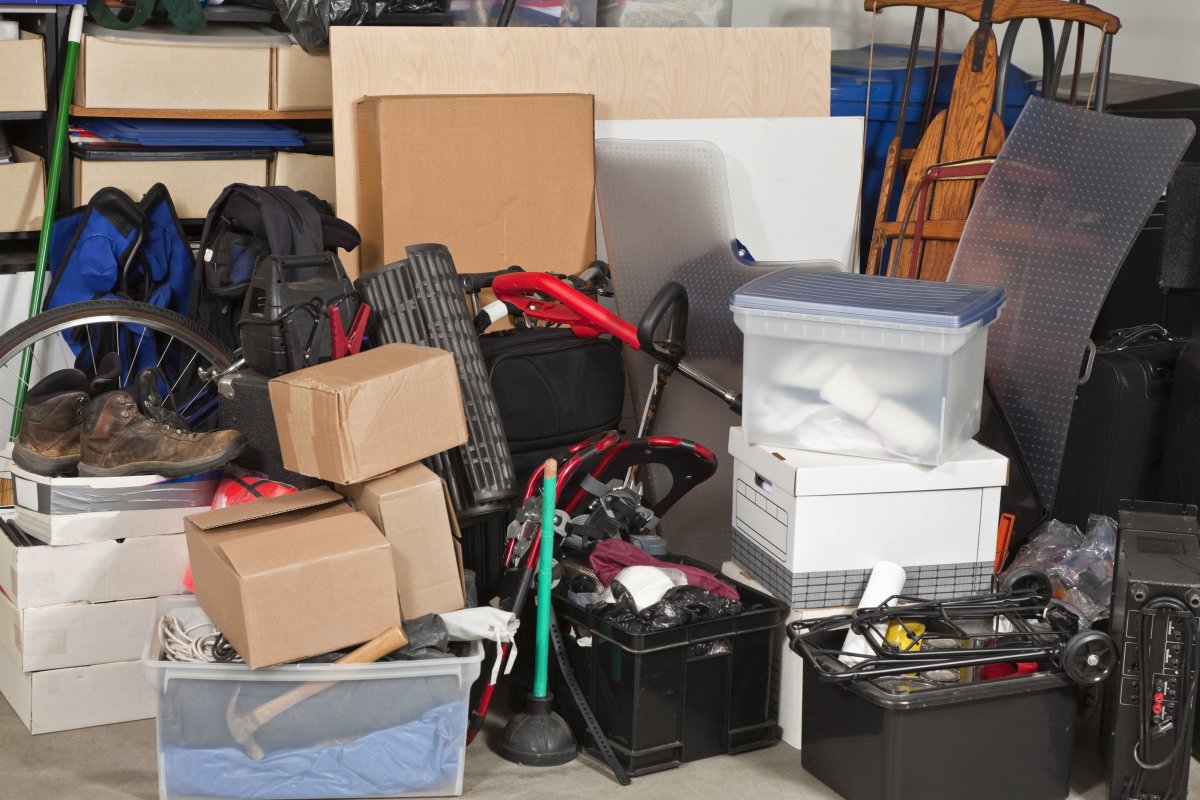

Solid waste has become a major concern for communities because households, businesses and industries generate large amounts of unwanted material every single day. When solid garbage is not managed through proper systems, pollution caused by solid waste begins to rise and it affects public health, soil, air and water. This is why strong facilities waste management programs, industrial waste management strategies and waste stream management systems are necessary. These systems help control waste from industries, household hazardous waste, construction debris and commercial waste so that the environment remains safe for everyone.
If we look at the solid waste def and the description of solid waste, it includes every material that is no longer needed and is ready to be discarded. This also involves solid rubbish, solid trash, different types of garbage waste and all other categories of refuse rubbish. To handle this problem the right way, dumpster rentals play an important role because large roll off dumpsters and strong waste bins are used to store and transport heavy volumes of waste safely. Without proper storage, solid waste pollutants can spread into the environment and create long term damage that is difficult to reverse.
The purpose of this complete guide is to explain everything related to solid waste. In the next sections you will learn about solid waste basics, industrial solid waste, commercial waste, construction waste, medical waste, regulated waste and the entire system of new york city waste management. Along with that you will understand topics such as expired hand sanitizer disposal, home sharps container rules, sharps container for zepbound injections, regulated medical waste requirements and the role of a pharmacy reverse distributor. These topics are important because waste disposal solid processes must follow strict rules to protect both the community and the environment.
Throughout this guide you will also learn about the best practices used for waste disposal, solid waste processing methods, solid waste examples and the methods used to control solid waste in landfills. We will explore how illegal dumping harms the environment and how questions like is it illegal to dump oil on the ground or where can I dispose used engine oil are handled through official programs. These systems guide people toward safe disposal instead of risky behavior that causes pollution and soil contamination.
As we move forward you will understand how waste containers work and why choosing the right types of bins is necessary for long term waste control. A solid waste container helps store materials safely before they are moved to facilities. This prevents harmful exposure and keeps public areas clean. You will also see how waste transport regulations work and why construction and demolition waste facility programs are needed. These facilities manage heavy materials such as concrete, soil, metals and wood created from construction work.
You will also learn about industrial solid waste and industrial wastewater which come from factories, plants and manufacturing units. Understanding industrial waste definition and industrial solid waste examples helps explain why certain materials need strict handling. Many industries generate large volumes of waste from industries and that requires proper systems and containers. Dumpster rentals are essential for these locations because they allow safe and organized waste removal.
Later in this blog we will move into topics such as commercial waste removal, new york rubbish systems, different types of refuse and the importance of long term dumpster contracts for businesses. These help stores, offices and restaurants keep their waste under control throughout the year.
Construction waste and demolition debris will also be explored in detail. You will learn about construction garbage dump operations, recycling methods for construction materials and the reasons contractors prefer large containers such as thirty yard and forty yard dumpsters for heavy debris.
In the medical waste section we will talk about regulated medical waste also known as RMW and how rules guide the disposal of sharps, clinic waste and expired supplies. We will also look at the rules that govern whether medical facilities can use dumpsters for disposal and what special reporting systems such as the annual hazardous waste report require.
You will also learn about household hazardous waste and the correct way to handle cleaners, paints, batteries and old medicines. Many people do not know that household hazardous waste cannot be placed in a regular residential dumpster, so understanding these rules helps protect community safety.
The hazardous waste section will also explain treatment, storage and disposal requirements along with the hazardous waste manifest system and emergency response procedures for spills. Waste that is considered hazardous must never enter dumpsters and must never mix with solid rubbish.
Next we will explore solid waste management facilities including material recovery facilities, transfer stations, landfills and waste to energy systems. These facilities form the backbone of waste management in every community.
Since many readers want to understand new york dump operations, this guide will also discuss the new york garbage dump network, citywide collection programs and the rules that apply to dumpster rentals in different areas including Bronx and Westchester.
Toward the end we will explore specialized topics such as toxic release inventory, pollution created by solid waste, circular economy systems and community programs that support recycling. These areas help readers understand how waste affects long term environmental health.
Finally we will cover modern trends in waste management including smart waste technology, public health connections, zero waste movements, segregation programs and the benefits of using dumpster rentals for better waste control.
This complete guide will act as a clear and detailed map for understanding solid waste and the practical systems used to manage it.
Basics of Solid Waste
Understanding the basics of solid waste helps you manage disposal more effectively and maintain a cleaner environment. This section explains what solid waste is, where it comes from, how it affects the environment, and the role of proper waste handling. By learning these fundamentals, homeowners, businesses, and communities can make better choices that reduce pollution and improve overall waste management. Knowing the basics also supports recycling efforts and helps people identify when dumpster rentals are needed for larger cleanup tasks.
What Are Solid Wastes?
Solid wastes are materials that people throw away because they are no longer needed. These items can be biodegradable or non biodegradable. Biodegradable waste breaks down naturally, while non biodegradable waste remains in the environment for a long time. Solid wastes also come from construction sites, manufacturing units, and commercial places. Identifying these materials helps in planning proper disposal methods.
Description of Solid Waste
Solid waste includes a wide range of discarded materials that come from daily activities. It may consist of paper, plastic, metals, food remains, building debris, and old machinery. Some waste is safe, while others can be hazardous. A clear description of solid waste helps determine which disposal method should be used, such as recycling, composting, or landfill placement.
Solid Garbage: Meaning and Examples
Solid garbage includes everyday discarded items from households and businesses. Common examples are plastic wrappers, broken glass, used cardboard, old toys, damaged furniture, and leftover packaging. These materials accumulate quickly if not handled properly. Solid garbage also comes from offices, restaurants, and markets. Proper collection and separation reduce pollution and improve community cleanliness.
Solid Trash vs Rubbish Differences
Solid trash includes all unwanted materials that cannot be reused. It is mostly made up of mixed waste from homes and offices. Rubbish usually refers to dry waste items such as paper, wood, and cloth. Trash may include wet waste while rubbish remains dry. Knowing the difference helps in waste sorting and recycling programs.
Types of Solid Waste
Solid waste can be classified into household waste, commercial waste, industrial waste, agricultural waste, and construction debris. Each type requires a specific handling method. Household waste includes food remains and packaging. Commercial waste comes from shops and offices. Industrial waste includes chemicals and manufacturing scraps. Construction debris includes concrete and wood pieces.
Solid Waste Categories
Solid waste categories include biodegradable waste, non biodegradable waste, recyclable waste, hazardous waste, and inert waste. Biodegradable waste decomposes naturally. Non biodegradable materials remain unchanged for years. Recyclable waste can be processed into new products. Hazardous waste contains chemicals that can cause harm. Inert waste includes materials like sand and stones.
Examples of Solid Waste
Examples of solid waste include plastic bottles, food leftovers, newspapers, old shoes, damaged electronics, metal cans, wood scraps, and construction materials. These items are thrown away after use and must be collected responsibly. Identifying examples helps people separate waste correctly at home and work.
Sources of Solid Waste
Solid waste comes from many sources including homes, schools, offices, factories, farms, hospitals, and construction sites. Each source produces a different type of waste. Homes create food and plastic waste. Offices produce paper waste. Factories generate chemical and metal scraps. Construction sites create debris like bricks and cement pieces.
Wastage and Its Environmental Impact
Wastage harms the environment by polluting land, water, and air. Uncontrolled waste creates breeding spots for pests and spreads diseases. Plastics break into micro particles that harm wildlife. Chemicals leak into soil and water sources. Managing waste properly reduces environmental damage and supports healthier living conditions.
Role of Dumpster Rentals in Managing Solid Waste
Dumpster rentals help manage large amounts of waste efficiently. They provide a safe place to collect construction debris, household junk, yard waste, and commercial trash. Renting a dumpster simplifies cleanup for businesses and homeowners. It ensures that waste is gathered in one place and transported to proper disposal facilities.
When You Need a Dumpster for Solid Waste Removal
You need a dumpster when handling large cleanup projects, home renovations, moving, construction work, or major yard clearing. A dumpster is also useful for office cleanouts and community events. It prevents waste from scattering and makes disposal faster and safer.
Solid Waste Disposal and Processing
Solid waste disposal and processing are essential steps in keeping communities clean and preventing environmental damage. Proper disposal ensures that waste does not contaminate soil, water, or air. Processing methods help reduce the amount of waste sent to landfills and support recycling efforts. By learning how solid waste is collected, treated, and managed, homeowners and businesses can make responsible choices that protect public health and natural resources. This section explains disposal practices, processing methods, landfill impacts, recycling, and the role of dumpster rentals in creating efficient waste handling systems.
What Is Solid Waste Disposal?
Solid waste disposal is the complete process of collecting waste, transporting it, and placing it in a safe and controlled location. This process begins at the point where waste is generated, such as homes, markets, offices, schools, and construction sites. Disposal includes landfill dumping, composting, recycling, and incineration. Landfills are used for waste that cannot be reused or recycled, while recycling centers convert usable materials into new products. Composting reduces organic waste by turning it into nutrient rich soil. Incineration reduces waste volume through controlled burning. Each disposal method comes with specific rules that prevent environmental pollution. Proper waste disposal ensures that harmful materials do not contaminate groundwater or soil. It also reduces the spread of disease by limiting pests and microorganisms. Communities that follow responsible disposal methods maintain cleaner environments and support long term sustainability.
Waste Disposal Best Practices
Waste disposal best practices help reduce pollution and make waste handling more effective. The first step is proper waste segregation at the source. Separating recyclables, food waste, hazardous items, and general trash ensures that each type can be processed correctly. Using labeled bins makes sorting easier for households and businesses. Another best practice is recycling materials like plastic, paper, metal, and glass, which decreases pressure on landfills. Composting organic waste such as food scraps and yard waste also reduces landfill load and creates useful compost for gardening. Hazardous items including paints, batteries, chemicals, and oils must be taken to authorized facilities to prevent contamination. Regular waste collection schedules also keep communities clean. Businesses should train employees on safe disposal habits, while homeowners should avoid illegal dumping or burning. These practices ensure that solid waste is handled responsibly and the environment remains safe for future generations.
Waste Disposal Solid vs Liquid vs Hazardous
Waste is categorized into solid, liquid, and hazardous types, and understanding these differences is important for safe disposal. Solid waste includes everyday items like packaging, leftover food, old furniture, wood, textiles, and construction debris. It is usually collected in bins and transported to landfills, recycling centers, or composting sites. Liquid waste includes wastewater, chemicals, oils, and industrial fluids. It must be treated in specialized facilities because it can contaminate water bodies and soil if released untreated. Hazardous waste poses serious risks because it contains toxic, flammable, or reactive materials. Examples include chemical solvents, gasoline, pesticides, and medical waste. These substances require special storage, labeling, transportation, and disposal procedures. Mixing any hazardous waste with regular trash can create dangerous reactions and environmental pollution. Solid waste disposal is simpler than liquid and hazardous waste disposal, but all three require proper handling to protect public health and natural ecosystems.
Solid Waste Processing Methods
Solid waste processing methods help reduce waste volume and prepare materials for reuse or safe disposal. One common method is shredding, which cuts waste into smaller pieces for easier handling. Compaction compresses waste to reduce space and transportation costs. Composting is a biological process that transforms organic waste such as food scraps and leaves into nutrient rich compost. Recycling is another important method, where materials like paper, metal, plastic, and glass are processed into new products, reducing the need for raw materials. Incineration involves controlled burning to reduce waste volume, and the heat produced can sometimes generate energy. Mechanical sorting systems separate waste into categories, improving recycling efficiency. Waste to energy conversion technologies convert non recyclable waste into usable energy. These processing methods help reduce landfill use, lower environmental impact, and support sustainable waste management practices.
Solid Waste in Landfills
Landfills are controlled sites designed to store waste that cannot be recycled or processed. Waste is deposited in layers and covered with soil to prevent odor, pests, and exposure. Modern landfills use liners and drainage systems to prevent leachate from contaminating groundwater. However, landfills can still produce harmful gases such as methane, which contribute to climate change. Over time, landfills can become overcrowded if waste generation increases and recycling rates stay low. Improper landfill management can also lead to soil and water pollution. Communities rely on strict monitoring and regulations to ensure safe landfill operation. Although landfills are necessary, reducing the amount of waste sent to them is important for environmental protection. Recycling, composting, and responsible waste processing help lower landfill pressure and protect surrounding ecosystems.
Solid Waste Pollutants
Solid waste pollutants are harmful substances that enter the environment when waste is not handled correctly. These pollutants include plastics, heavy metals, chemical residues, decaying organic matter, and wastewater byproducts. Plastics break into microplastics that contaminate soil and water and harm animals. Electronic waste contains metals like lead and mercury that can poison ecosystems. Organic waste releases methane gas during decomposition, contributing to air pollution and climate change. Hazardous waste items like batteries and chemicals leak toxic substances that harm land and water sources. Construction debris often contains cement dust, paint, and adhesives that pollute the environment. When solid waste pollutants enter the ecosystem, they affect crops, drinking water, and human health. Proper waste handling reduces the movement of pollutants and creates a safer environment.
Solid Waste Recycling
Solid waste recycling transforms used materials into new and valuable products. Recycling reduces the need for raw resources and lowers pollution caused by manufacturing. Common recyclable items include plastic bottles, metal cans, cardboard, paper, and glass containers. Recycling centers sort and clean these materials before sending them for processing. Paper can be turned into new notebooks, plastics into new containers, and metals into tools or building materials. Recycling programs also lower landfill waste by redirecting items that still have value. Communities that promote recycling enjoy cleaner neighborhoods and reduced waste management costs. Businesses also benefit by recycling packaging materials and reducing disposal fees. Recycling creates job opportunities and supports a circular economy where products are reused instead of thrown away.
Waste Stream Management
Waste stream management is the process of monitoring and controlling how waste flows from its source to its final disposal or processing destination. It involves waste sorting, collection, transportation, treatment, and recycling. Effective waste stream management helps reduce the amount of waste entering landfills. It also improves recycling efficiency by ensuring that recyclable materials do not get mixed with hazardous or organic waste. Businesses use waste stream tracking to reduce waste production and improve sustainability. Municipalities use data from waste stream analysis to plan better collection routes, identify waste trends, and design recycling programs. Proper waste stream management ensures that materials are used efficiently and environmental harm is minimized.
Illegal Dumping: Is It Illegal to Dump Oil on the Ground
Dumping oil on the ground is illegal because it causes serious environmental damage. Used oil contains chemicals and heavy metals that seep into soil and contaminate groundwater. When oil reaches water bodies, it harms fish, plants, and wildlife. Oils also create toxic fumes that affect human health. Many regions have strict laws that require used oil to be disposed of safely at approved facilities. Illegal dumping leads to fines, penalties, and legal consequences. Used motor oil, cooking oil, and industrial oils must never be poured on soil, streets, or drains. Communities encourage proper disposal to protect drinking water sources and maintain a healthy environment. Public awareness programs help residents understand the dangers of oil dumping and the benefits of safe waste handling.
Where to Dispose Used Engine Oil
Used engine oil must be taken to authorized recycling centers or waste collection facilities. Auto repair shops and service stations often accept used oil for safe disposal. Many local governments operate hazardous waste collection programs where residents can drop off used oil, filters, and related materials. Recycling centers clean and process used oil so it can be reused as fuel or re refined into new lubricants. Storing used oil in sealed containers prevents leaks and contamination. Dumping oil in drains, soil, or trash bins is illegal and harmful. Proper disposal keeps communities safe and reduces environmental pollution. Home mechanics and vehicle owners should always follow disposal guidelines to maintain responsible waste management.
How Dumpster Rentals Simplify Waste Disposal
Dumpster rentals make waste disposal easier for construction projects, home cleanouts, commercial renovations, and landscaping work. They provide a central place to collect all debris, making cleanup faster and safer. Dumpsters prevent waste from spreading around the property and reduce the number of trips to disposal sites. Waste management companies deliver the dumpster, pick it up when full, and transport the waste to the proper facility. This service helps homeowners and businesses save time, effort, and fuel costs. Dumpster rentals also support recycling because waste can be sorted before collection. They offer different sizes to match project needs and ensure smoother waste handling. Renting a dumpster keeps the worksite clean and prevents hazards like sharp objects or scattered debris.
Choosing the Right Dumpster Size for Waste Processing
Choosing the right dumpster size is important for efficient waste disposal. Small cleanup projects require small dumpsters, while construction and demolition work need larger containers. A small home cleanout may only need a ten yard dumpster, while major renovations may require a twenty or thirty yard unit. Selecting the correct size prevents overflow and reduces the need for multiple pickups. It also helps manage costs because larger dumpsters are only necessary when waste volume is high. Waste management companies guide customers in choosing the right size based on project details. Proper sizing ensures smooth waste processing, reduces delays, and makes cleanup easier for homeowners and businesses.
How Roll Off Dumpsters Help Reduce Landfill Overflow
Roll off dumpsters help reduce landfill overflow by supporting better waste sorting and recycling practices. These dumpsters can collect large amounts of construction debris, metal waste, wood, and household junk. When waste is separated in roll off dumpsters, recycling becomes easier and more materials can be reused instead of going to landfills. Roll off containers also prevent illegal dumping by providing a convenient disposal option for large projects. They reduce trips to landfills by holding more waste in a single load. This decreases transportation emissions and landfill pressure. Waste management companies often process roll off dumpster contents to recover recyclables before final disposal. This system promotes responsible waste handling and supports cleaner, more sustainable communities.
Waste Containers and Storage
Waste containers and storage systems help keep waste organized, contained, and safe from environmental exposure. These containers prevent scattered trash, reduce odors, and support smooth waste handling for homes, commercial properties, and large industrial sites. Proper storage also protects workers from harmful materials and makes transportation easier for waste management teams. Communities rely on efficient container systems to support recycling, manage solid waste, and reduce pollution. Different types of containers serve different waste categories, including household trash, construction debris, sharps waste, and industrial materials. With the right container, waste remains secure and manageable until final disposal.
What Is a Solid Waste Container?
A solid waste container is a secure storage unit designed to collect and hold solid wastes before they are removed or transported for disposal. These containers come in many forms, such as residential bins, commercial dumpsters, roll off units, and specialized industrial bins. Their purpose is to prevent loose waste from escaping into the environment and to maintain cleanliness around generation points. A good solid waste container keeps pests away, controls odors, and offers a safe place for materials such as solid garbage, construction debris, organic waste, recyclables, and non hazardous household trash. Some containers are made for heavy duty use, especially in areas generating industrial solid waste or mixed commercial waste, while smaller containers serve homes and offices. Proper containers support safe collection, easy movement, and efficient disposal, reducing pollution and improving surrounding conditions.
Types of Waste Bins and Containers
Waste bins and containers come in different sizes and materials to support different waste categories. Residential bins are commonly used for household trash, recyclables, and yard waste. Commercial properties use bigger containers that manage higher waste volumes, such as front load dumpsters found behind stores and restaurants. Industrial facilities rely on reinforced metal bins designed to hold heavy waste, manufacturing scrap, or waste from industries. Construction sites use roll off dumpsters for debris like wood, concrete, drywall, and roofing materials. Medical facilities depend on sharps containers, biohazard bins, and regulated waste storage units. Each type supports proper waste segregation, which is essential for protecting the environment and meeting disposal rules. Choosing the correct container helps businesses and homeowners handle waste more efficiently while ensuring safety and compliance.
Home Sharps Container Use
A home sharps container is used to safely store needles, syringes, lancets, and other sharp medical items that may cause injuries if disposed of incorrectly. These containers are puncture resistant and leakproof, which prevents accidental exposure. People managing diabetes treatments, fertility injections, or weight loss medications often rely on home sharps containers for safe disposal. Using a proper sharps container protects sanitation workers, family members, and pets from needle sticks. It also prevents contaminated sharps from entering regular trash streams. Once the container is full, it must be taken to an approved drop off site or pharmacy reverse distributor for proper handling. Following these steps supports public safety and keeps waste streams clean.
Sharps Container for Zepbound Injections
People using Zepbound injections for medical treatment must store their used needles in an approved sharps container. A sharps container designed for this purpose keeps the needles secure and prevents any risk of contamination. Zepbound injections require careful disposal because they fall under regulated sharps waste. A strong container prevents punctures, leaks, and accidental exposure. Users should never throw sharps into household trash bags or recycling bins. Instead, used needles must go into a labeled sharps container placed in a stable location inside the home. When full, the container should be delivered to a medical waste collection site or a participating pharmacy that handles sharps disposal. Proper sharps handling protects waste workers and prevents environmental contamination.
Construction Waste Containers
Construction waste containers are large, durable units designed to hold heavy debris generated from construction, renovation, and demolition work. These containers manage materials such as concrete, wood, drywall, roofing shingles, flooring, insulation, and mixed debris. Construction sites rely on roll off dumpsters because they handle large volumes and can be easily transported by waste management trucks. These containers support efficient waste collection by providing a central place for debris. Keeping construction areas clean reduces hazards for workers and improves workflow. Properly sized containers reduce overflow and prevent materials from scattering around the site. Using high quality construction waste containers ensures that debris is transported safely to construction and demolition waste facility locations for disposal or recycling.
Commercial Waste Containers
Commercial waste containers serve businesses, restaurants, offices, hotels, and retail stores that generate daily waste. These containers are available in front load, rear load, and roll off varieties depending on the volume and type of waste. Businesses rely on these containers to store commercial waste, packaging materials, food scraps, paper waste, and discarded products. Proper containers prevent pests, reduce odors, and keep business surroundings clean. Waste management companies offer scheduled pickups that ensure containers never overflow. Commercial containers also support recycling programs by separating cardboard, plastics, and metals from general trash. Reliable storage solutions help businesses maintain compliance with local waste regulations and reduce disposal issues.
Industrial Waste Bins
Industrial waste bins are heavy duty containers designed to handle industrial solid waste, manufacturing scraps, metal shavings, packaging waste, and chemical contaminated materials. These bins must be strong enough to resist corrosion and damage from heavy loads. Industrial facilities generate large quantities of waste daily, so these bins support high capacity storage and easy movement using forklifts or specialized trucks. Some industrial bins are enclosed to contain dust or prevent exposure to harmful substances. Proper storage protects workers and prevents pollutants from entering the environment. Facilities that manage industrial waste must ensure the containers follow regulatory guidelines and are emptied at approved treatment or disposal facilities.
Roll Off Dumpster Containers Sizes and Uses
Roll off dumpster containers come in multiple sizes to support different project needs. They are widely used for construction debris, home cleanouts, renovations, landscaping waste, roofing removal, and industrial cleanup. Roll off dumpsters are delivered to the property and placed in a convenient location for loading. These containers are rectangular, open top units that allow easy disposal of bulky materials. Waste management companies transport the filled dumpsters to recycling centers or disposal locations. Roll off containers improve efficiency by keeping waste in one place and preventing multiple trips to disposal sites. Their flexible sizes allow homeowners and contractors to choose the best capacity for their specific projects.
When to Use 10, 20, 30 and 40 Yard Dumpsters
A ten yard dumpster is suitable for small projects such as minor home cleanouts, small landscaping tasks, or removing light debris. A twenty yard dumpster works well for moderate renovation projects, flooring replacements, or medium sized roofing jobs. A thirty yard dumpster is ideal for large home cleanouts, full property renovations, and heavy construction debris. The forty yard dumpster is the largest option and is used for commercial construction, demolition work, major cleanups, and large scale waste removal. Choosing the right size prevents overflow and saves time by reducing extra pickups. Waste type, project size, and debris volume determine which dumpster size is most effective. Selecting the correct dumpster improves waste handling and ensures efficient collection and disposal.
Safe Loading Practices for Dumpster Containers
Safe loading practices help prevent accidents and ensure efficient waste transport. Waste should be placed evenly inside the dumpster to prevent shifting during movement. Heavy materials should be placed at the bottom, while lighter materials go on top to maintain balance. Sharp or hazardous items must be handled carefully and placed securely to prevent injuries. Overfilling the dumpster is unsafe because loose debris can fall out during transport. The container must remain within the weight limits set by the waste management provider. Workers should wear gloves, safety glasses, and sturdy shoes when handling waste. Following safe loading practices keeps the worksite clean and reduces risks for everyone involved.
Industrial Waste & Industrial Solid Waste
Industrial waste and industrial solid waste represent the wide range of discarded materials produced by factories, construction sites, warehouses, power plants, chemical facilities, and other industrial operations. These waste materials can be solid, semi-solid, or in some cases part of a waste stream that eventually becomes solid after processing. Because industries generate waste in large volumes, efficient waste management becomes essential for safety, environmental protection, and regulatory compliance. Companies depend on roll off dumpsters, industrial waste containers, and professional dumpster rentals to manage high-quantity waste and maintain a clean operational environment. Industrial waste can include anything from scrap metal and plastics to chemical residues and demolition debris, making proper handling extremely important. Businesses must follow environmental laws, maintain documentation, and use approved disposal or recycling facilities to avoid penalties. Understanding industrial waste also helps industries reduce pollution, improve recycling, and develop sustainable waste management plans that support long-term operational efficiency.
Industrial Solid Waste Examples
Examples of industrial solid waste vary across industries but often include metal scraps, rusted components, plastic pellets, insulation materials, damaged pallets, cardboard packaging, and wood fragments. Construction sites produce concrete chunks, roofing waste, bricks, dirt, and drywall. Chemical manufacturing plants generate containers, filters, sludge, and solid byproducts. Textile factories create fabric trims, yarn waste, and dye-contaminated materials. Electronics factories generate e-waste, circuit boards, cables, and defective components. Food industries produce shells, peels, expired items, and organic solids. All these materials require organized disposal to prevent hazards and maintain regulatory compliance. Industrial waste containers and roll off dumpsters allow companies to collect heavy and bulky waste without interrupting operations. Proper segregation improves recycling rates and reduces overall disposal costs. Implementing structured waste-handling systems also keeps job sites clean and helps companies avoid environmental violations associated with improper dumping.
Industrial Waste Definition
Industrial waste refers to all unwanted materials discarded by industries, including solids, liquids, gases, and semi-solid substances. This waste can be harmless or hazardous depending on its source and composition. Industrial waste includes material leftovers, packaging waste, defective products, chemicals, oils, sludge, wastewater byproducts, and processing debris. Because industrial waste can contain harmful contaminants, it must be managed according to environmental regulations set by state and federal agencies. Proper handling reduces risks to workers, nearby communities, and natural ecosystems. Many industries depend on dumpster rentals and industrial waste containers to manage solid components of their waste stream efficiently. Hazardous liquids and chemicals require specialized containment and disposal methods. Understanding industrial waste helps companies design better waste management strategies, reduce pollution, and maintain compliance with safety standards. When handled properly, industrial waste management improves overall operational cleanliness and supports a sustainable industrial environment.
Types of Industrial Waste
Industrial waste can be categorized into several types based on composition and potential environmental impact. Common types include solid waste, which consists of metal scraps, plastics, wood, and discarded materials; hazardous waste, which includes chemicals, oils, flammable items, and toxic substances; organic waste produced by food processing facilities; and construction waste such as concrete, bricks, and demolition debris. Some industries also generate e-waste, mineral waste, ash, and sludge. Each type of industrial waste requires a specific handling method to ensure safe storage and proper disposal. Roll off dumpsters are often used for heavy construction and manufacturing waste, while industrial waste containers help segregate recyclable materials from general waste. Hazardous waste must be stored in approved containers and disposed of through licensed facilities. Understanding these categories allows companies to follow regulations, choose appropriate dumpster sizes, and implement effective recycling programs that reduce environmental impact.
Waste From Industries
Waste from industries refers to all materials that remain after production, construction, or processing activities. These can include packaging waste, metal scraps, defective items, rubble, glass, cardboard, chemical residues, and organic materials. Because industries often operate daily, waste can pile up quickly if not managed properly. Businesses rely on roll off dumpsters and industrial waste bins to keep work environments clean and safe. Improper handling of industrial waste can lead to air pollution, water contamination, workplace hazards, and regulatory fines. Therefore, industries must implement structured waste disposal systems, designate proper storage areas, and train workers to handle waste safely. Many companies also benefit from recycling programs that reduce the volume of waste going to landfills. Effective management not only protects the environment but also reduces disposal costs and improves overall operational efficiency.
Industrial Wastewater
Industrial wastewater is produced from cleaning, cooling, heating, chemical processing, and manufacturing activities. This water often contains contaminants such as oils, chemicals, heavy metals, organic compounds, and suspended solids. Because untreated industrial wastewater can cause serious environmental harm, it must undergo treatment before being released into natural water bodies or sewer systems. Treatment processes may involve sedimentation, filtration, chemical neutralization, aeration, and biological treatment. After treatment, solid residues like sludge must be stored in industrial waste containers or roll off dumpsters for safe disposal. Wastewater regulations require industries to monitor discharge quality and keep detailed compliance records. When industries invest in proper wastewater treatment and solid waste disposal systems, they reduce pollution, protect water sources, and maintain strong regulatory compliance. This helps companies operate responsibly and avoid costly penalties.
Industrial Waste Management
Industrial waste management covers all procedures used to collect, store, transport, recycle, and dispose of industrial waste safely. It includes managing solid waste, hazardous materials, chemicals, wastewater, and byproducts generated daily by factories and construction sites. Proper waste management is essential for regulatory compliance, workplace safety, and environmental protection. Most companies rely on dumpster rentals, roll off dumpsters, compactors, and specialized waste containers to keep waste organized and ready for disposal. Waste audits help businesses track waste production and find ways to reduce unnecessary waste. Recycling programs also play a significant role in lowering disposal costs and promoting sustainability. Industrial waste management involves regular waste pickups, selecting the right dumpster size, and ensuring all waste is sent to licensed disposal or recycling facilities. When implemented effectively, industrial waste management improves efficiency, reduces risks, and supports long-term environmental responsibility.
Industrial Waste vs. Hazardous Waste
Industrial waste includes all waste materials generated by industrial operations, while hazardous waste refers to materials that pose significant harm to health or the environment. Hazardous waste includes chemicals, solvents, oils, paints, heavy metals, flammable substances, and toxic residues. Not all industrial waste is hazardous, but some industrial activities produce both types. Hazardous waste requires specialized storage, labeling, transportation, and disposal through licensed facilities. It cannot be placed in standard industrial dumpsters or roll off containers. Industrial waste such as cardboard, wood, plastics, and scrap metals can typically be managed through regular dumpster rentals and recycling programs. Understanding the difference between the two helps companies maintain compliance, avoid environmental contamination, and improve workplace safety. Proper segregation also reduces costs and ensures smooth waste removal operations.
Regulations for Industrial Waste in New York
New York enforces strict regulations regarding the handling, storage, and disposal of industrial waste. The New York State Department of Environmental Conservation (DEC) ensures companies follow guidelines to protect public health and the environment. Businesses must classify their waste, use approved storage containers, transport waste using licensed carriers, and dispose of waste only at authorized facilities. Hazardous waste generators must comply with the Resource Conservation and Recovery Act (RCRA) and maintain detailed records of waste movement. Illegal dumping, improper storage, or failure to document waste disposal can result in heavy fines. Many New York industries use roll off dumpsters, compactors, and industrial waste containers to remain compliant. Employee training is also required to ensure safe handling of materials. By following state regulations, businesses maintain environmental responsibility, avoid penalties, and protect surrounding communities.
Dumpster Rentals for Industrial Waste Cleanup
Dumpster rentals make industrial waste cleanup faster, safer, and more efficient. Industries generate large amounts of waste daily, including metal scraps, packaging, debris, and discarded materials that must be removed promptly. Roll off dumpsters are ideal for heavy and bulky industrial waste because they offer high capacity and easy loading. Companies can choose from multiple dumpster sizes depending on their waste volume, ensuring smooth and continuous disposal without work interruptions. Dumpster rentals also allow businesses to schedule pickups according to production cycles or cleanup needs. This helps prevent overflow, reduces safety hazards, and keeps worksites organized. Professional waste management services often provide guidance on choosing the right dumpster type for industrial waste, ensuring compliance with disposal regulations. Using dumpster rentals improves cleanliness, reduces downtime, and supports efficient industrial waste removal.
How Factories Benefit from Industrial Waste Containers
Factories benefit greatly from industrial waste containers because these containers allow them to manage high-volume waste efficiently and safely. Manufacturing processes often produce large amounts of scrap metal, plastic waste, packaging materials, and defective products that must be removed continuously. Industrial waste containers and roll off dumpsters provide a reliable storage solution that keeps waste organized and prevents clutter around production areas. These containers are designed to handle heavy loads and withstand harsh industrial conditions. By using the right waste containers, factories improve workflow, maintain a safer workspace, and comply with environmental regulations. Efficient waste container systems also support recycling programs, reduce disposal costs, and prevent contamination. With scheduled pickups and easy loading features, industrial waste containers simplify waste handling and help factories maintain smooth operations without unnecessary interruptions.
Commercial Waste and Business Disposal
Commercial waste and business disposal involve the proper handling of waste produced by offices, retail stores, warehouses, restaurants, hotels, and other commercial operations. These businesses generate solid waste, packaging waste, food waste, paper waste, old inventory, and general rubbish that must be collected and disposed of regularly to maintain a clean and safe environment. Efficient commercial waste management supports public health, enhances customer experience, and helps businesses comply with local regulations. In busy areas such as New York, commercial waste systems must operate smoothly to prevent overflowing trash, unpleasant odors, and environmental pollution. Businesses often rely on roll off dumpsters, commercial waste containers, and scheduled dumpster rentals to manage high daily waste volumes. Proper waste segregation, recycling programs, and consistent disposal practices reduce clutter and improve workplace efficiency. When commercial waste is handled responsibly, businesses create a healthier environment and demonstrate strong environmental responsibility.
What Is Commercial Waste
Commercial waste includes all solid waste and rubbish produced by businesses during daily operations. This waste can consist of paper, cardboard, packaging materials, food waste, plastic items, broken fixtures, cleaning waste, and old inventory. Unlike household waste, commercial waste is generated in larger quantities and requires structured management to prevent accumulation. Companies often use waste bins, solid waste containers, and commercial dumpsters to store waste until pickup. Businesses must follow city guidelines, especially in busy areas such as New York, where commercial waste rules are strict. Proper management helps prevent pollution, improves safety, and keeps commercial properties clean. Commercial waste removal services play an important role in keeping operations smooth while helping businesses reduce environmental impact.
Types of Waste in Commercial Settings
Commercial settings produce a wide range of waste types depending on the nature of the business. Offices generate paper, cardboard, electronics, food waste, and old supplies. Retail stores produce packaging waste, damaged products, plastic wraps, and display materials. Restaurants create food scraps, expired ingredients, cooking waste, and used containers. Hotels generate linens, paper waste, toiletries, and cleaning waste. Warehouses and storage facilities create pallets, wrappers, damaged items, and bulk packaging materials. All these materials must be handled through organized disposal systems that include commercial waste containers, roll off dumpsters, and recycling programs. When businesses identify their waste types clearly, they can use proper disposal methods that reduce clutter, minimize landfill waste, and improve overall waste efficiency.
Commercial Waste Removal
Commercial waste removal involves the regular collection, transportation, and disposal of waste created by businesses. Waste removal services provide scheduled pickups based on the waste volume and operational needs of each business. Many commercial properties generate solid garbage in high quantities, making timely removal essential for safety and cleanliness. Professional removal services use roll off dumpsters, compactors, and commercial waste bins to manage different types of waste. Businesses also receive guidance on proper waste segregation and recycling to reduce the amount sent to landfills. Reliable waste removal helps prevent pollution, eliminates odors, and keeps commercial areas presentable for customers. For busy cities like New York, where waste builds up quickly, regular commercial waste removal is necessary to maintain compliance and support healthy communities.
Waste Management for Offices and Retail Stores
Offices and retail stores require organized waste management plans to handle daily waste efficiently. Offices often generate paper waste, used supplies, electronics, and food waste from break areas. Retail stores produce packaging waste, product returns, damaged items, and seasonal merchandise waste. Both settings rely on solid waste containers and commercial dumpsters to keep their spaces clean. Waste management services often provide recycling options to help offices reduce paper waste and retail stores recycle packaging materials. In areas such as New York, compliance with waste disposal rules is essential to avoid fines. Businesses that follow structured waste management systems create cleaner environments, reduce environmental impact, and ensure smooth daily operations. Effective waste management also improves employee productivity by minimizing clutter.
New York Rubbish Commercial and Residential
New York produces large volumes of waste each day from both commercial and residential areas. Commercial waste comes from restaurants, offices, shops, hotels, and warehouses, while residential waste includes household trash, solid rubbish, old furniture, and recyclables. Because New York is densely populated, the city has strict waste handling rules to prevent pollution and keep streets clean. Commercial properties often use roll off dumpsters and scheduled pickups to handle the high waste production rate. Residential waste is collected on designated days, and households must follow specific guidelines for recyclables and solid waste. Both commercial and residential waste streams contribute to the overall New York waste management system, which relies on safe storage, efficient disposal, and responsible recycling practices.
Dumpster Rental for Commercial Properties
Dumpster rental services help commercial properties manage waste efficiently. Offices, restaurants, stores, and warehouses generate large volumes of solid waste that require reliable storage. Commercial dumpster rentals offer various container sizes suitable for different waste volumes. Businesses can request one time rentals for cleanups or ongoing rentals for consistent waste disposal. Roll off dumpsters are ideal for heavy waste, while commercial waste bins work well for daily trash. Dumpster rental services include scheduled pickups, easy loading options, and guidance on choosing the right container. By using dumpster rentals, commercial properties stay clean, organized, and compliant with disposal rules. This is especially important in locations such as New York, where commercial waste must be managed quickly to prevent clutter and health issues.
Benefits of Roll Off Dumpsters for Businesses
Roll off dumpsters provide several advantages for businesses that produce high volumes of waste. Their large capacity allows companies to store mixed solid waste, packaging materials, damaged products, and bulky items without frequent pickups. Roll off dumpsters are easy to load due to their open top structure, making them ideal for renovations, inventory cleanouts, and seasonal waste. Businesses also benefit from reduced clutter, improved safety, and streamlined waste operations. Roll off dumpsters support recycling programs and help businesses maintain cleaner work environments. They also reduce the risk of illegal dumping, which can lead to fines and environmental harm. For commercial properties in New York, roll off dumpsters help maintain compliance and prevent waste overflow in busy urban areas.
Long Term Dumpster Contracts for Businesses
Long term dumpster contracts provide businesses with consistent waste management services. Companies that generate continuous waste benefit from scheduled pickups and reliable container availability. Long term contracts help businesses avoid disruptions caused by overfilled bins and ensure that waste is removed regularly. These contracts also allow businesses to lock in stable pricing, reducing unexpected costs. Offices, restaurants, retail stores, warehouses, and hotels often use long term dumpster services to handle daily solid garbage and commercial waste. Businesses can choose from different dumpster sizes based on their waste volume. Long term agreements also improve planning and support efficient disposal practices. In busy regions such as New York, long term dumpster rentals help businesses stay compliant with waste rules and maintain clean, organized spaces.
Construction & Demolition Waste (C&D)
Construction and demolition waste includes materials that come from building, remodeling, renovation, and teardown projects. This type of waste is usually heavy, bulky, and requires proper handling to prevent environmental damage. With the increasing demand for safe disposal and recycling, many contractors now rely on waste removal services and dumpster rental services to manage debris efficiently. C&D waste is generated at construction sites, commercial buildings, residential remodels, and industrial facilities. Using a reliable service ensures that concrete, wood, metal, drywall, and mixed debris are collected responsibly. This improves job site safety and keeps projects running smoothly.
Construction and Demolition Waste Facility
A construction and demolition waste facility is designed to receive, sort, and process materials from building projects. These facilities separate recyclable materials from non-recyclables and ensure everything is handled according to local regulations. By using a licensed facility, contractors can reduce landfill use and support responsible waste management.
Construction Garbage Dump
A construction garbage dump is a site where non-recyclable C&D debris is taken for final disposal. These dumps follow strict guidelines to manage heavy waste safely. Dumping construction debris at an approved site helps avoid fines, environmental hazards, and project delays.
Types of C&D Waste
C&D waste includes concrete, bricks, asphalt, metals, lumber, drywall, roofing materials, insulation, flooring, tiles, plumbing fixtures, and mixed debris. Each type requires specific handling to ensure safety and compliance. Identifying the waste type helps contractors choose the right dumpster size and disposal method.
Proper Disposal of Construction Debris
Proper construction debris disposal involves sorting materials, using the correct dumpster size, and delivering the waste to approved facilities. Professional dumpster rental services help contractors stay compliant while keeping the job site clean and hazard free.
Recycling Construction Materials
Recycling construction materials like metal, concrete, asphalt, and wood reduces waste and supports eco friendly practices. Many facilities crush concrete for reuse, melt metals for new products, and process clean wood for mulch. Recycling lowers landfill pressure and cuts project costs.
Dumpster Rentals for Construction Sites
Dumpster rentals help contractors manage debris quickly and efficiently. From small renovations to large commercial builds, dumpsters keep sites organized and reduce cleanup time. Reliable dumpster rental services ensure that waste is removed on schedule.
Why Contractors Use 30 & 40 Yard Dumpsters
Contractors often choose 30 and 40 yard dumpsters because these sizes handle heavy and large volumes of debris. These dumpsters are ideal for demolition, roofing tear offs, concrete removal, and full home renovations. Bigger dumpsters reduce multiple trips and help maintain productivity.
Managing Heavy Debris Through Roll-Off Dumpsters
Roll off dumpsters are perfect for managing heavy materials like concrete, bricks, dirt, and asphalt. Their open top design makes loading easy and safe. Waste removal services transport the filled dumpster to the proper facility, ensuring responsible disposal.
Medical Waste and Regulated Waste
Medical waste and regulated waste include materials that can pose a health risk if not handled correctly. This category covers sharps, contaminated supplies, pharmaceuticals, chemicals, and biological materials produced in clinics, hospitals, laboratories, and even homes. Because these materials require strict procedures, facilities often rely on professional waste removal services and regulated waste disposal programs. Proper handling protects healthcare workers, patients, and the environment. Medical waste regulations also ensure that each item is transported, treated, and disposed of according to state and federal rules. By understanding the different types of regulated waste, medical facilities and home users can follow safe disposal practices and avoid penalties.
What Is Regulated Medical Waste (RMW)?
Regulated medical waste includes materials that may contain infectious substances. Items like contaminated gloves, gauze, needles, syringes, and blood soaked materials fall under this category. RMW must be collected in approved containers and sent to licensed facilities for treatment. This prevents exposure to harmful pathogens and maintains compliance with healthcare regulations.
Which Statement Best Describes Regulated Medical Waste?
Regulated medical waste is any waste that has the potential to spread infection or cause injury. A simple explanation is that RMW is waste contaminated by blood, bodily fluids, or medical instruments. It requires special handling, packaging, labeling, and transportation to ensure safety from collection through final disposal.
Sharps Disposal Rules (Homes and Clinics)
Sharps disposal rules require that needles, syringes, scalpels, and lancets be placed in puncture resistant containers. Both homes and clinics must follow these rules to prevent injuries and contamination. Sharps cannot go in regular trash or dumpsters and must be handled by approved collection programs or medical waste services.
Home Sharps Containers
Home sharps containers are designed for people who need to manage used needles or lancets in their homes. These containers resist punctures and prevent spills. Once filled, they must be taken to a drop off location or collected through a sharps disposal service. Using a proper container protects family members and sanitation workers.
Expired Hand Sanitizer Disposal
Expired hand sanitizer contains alcohol that is considered flammable waste. It cannot be poured into sinks or thrown in regular trash. Facilities must follow hazardous waste guidelines by storing expired sanitizer safely and sending it to a treatment or recycling center. This prevents fires and chemical hazards.
Pharmacy Reverse Distributor Process
A pharmacy reverse distributor manages the return and disposal of expired or unused medications. Pharmacies send their drugs to a licensed company that sorts, credits, and disposes of pharmaceuticals properly. This system protects the environment and ensures compliance with drug disposal laws.
Annual Hazardous Waste Reporting Requirements
Healthcare facilities must submit annual hazardous waste reports that document the types and quantities of waste they generate. These reports help agencies track compliance and ensure proper handling. Accurate reporting is required for facilities that produce pharmaceuticals, chemicals, and regulated waste.
Are Medical Facilities Allowed to Use Dumpsters (Rules)
Medical facilities cannot place regulated medical waste, sharps, or pharmaceuticals in regular dumpsters. Only non hazardous general waste is permitted. Any regulated waste must be handled through licensed medical waste disposal services. Following these rules prevents contamination, protects workers, and keeps the facility compliant with health regulations.
Household Hazardous Waste
Household hazardous waste refers to everyday products that become dangerous when discarded improperly. Items like paint, cleaners, pesticides, batteries, motor oil, and expired medicines can harm people, pets, and the environment. Because these materials contain chemicals that require special treatment, families must follow proper household hazardous waste disposal rules. Many communities provide collection programs to make safe disposal easy and convenient. Understanding what qualifies as hazardous waste helps residents avoid fines, reduce pollution, and maintain safer homes. Using approved disposal methods also supports waste removal services and protects local landfills from contamination.
What Is Household Hazardous Waste?
Household hazardous waste includes chemicals and products that become harmful when thrown away in regular trash. These items contain toxic, flammable, corrosive, or reactive ingredients. Common examples include bleach, fuel, pesticides, automotive liquids, and aerosol sprays. Because these items can leak or ignite, they must be taken to hazardous waste drop off sites. Proper handling keeps families safe and prevents pollution in soil and water.
Safe Handling of Household Chemicals
Handling household chemicals safely begins with storing them in their original containers, keeping them away from heat, and using them in well ventilated areas. Mixing chemicals is unsafe because it can create dangerous reactions. When chemicals expire, leak, or become unusable, residents must follow local hazardous waste guidelines to discard them responsibly. Safe handling reduces accidents, protects children and pets, and minimizes exposure to harmful fumes.
Batteries, Cleaners and Paint Disposal
Batteries contain metals that can leak into the environment if thrown in regular trash. Household cleaners may include strong chemicals that harm sanitation systems. Paints often contain solvents that release toxins when they break down. All of these items require special disposal. Many areas offer recycling centers or drop off programs for batteries, paint, and chemical cleaners. Using these services ensures these materials are treated and recycled properly.
Disposing of Expired Medicines
Expired medicines should never be flushed or tossed in household trash because they can contaminate water systems. Instead, communities offer medication disposal boxes or pharmacy take back programs. These programs ensure medications are destroyed safely. Proper drug disposal prevents misuse, protects local waterways, and supports safe household waste practices.
Community Collection Days and Drop Off Programs
Many neighborhoods host household hazardous waste collection events where residents can bring chemicals, batteries, paint, and other hazardous materials. These programs are designed to make disposal convenient and safe. Trained staff ensure each item is processed according to environmental guidelines. Drop off programs also reduce illegal dumping and protect recycling centers and landfills from hazardous contamination.
What NOT to Put in a Residential Dumpster
Residents cannot place chemicals, fuel, paint, pesticides, medical waste, batteries, or electronics in a standard residential dumpster. These items can leak or create fires inside collection trucks or landfills. Only regular household trash, non hazardous debris, and everyday waste are allowed. Following residential waste guidelines prevents accidents and avoids fines from local waste management agencies.
Can Household Hazardous Waste Go in Dumpsters?
Household hazardous waste cannot go in dumpsters under any circumstances. Dumpsters are designed for general waste and cannot safely contain flammable, toxic, or reactive materials. Hazardous waste must go to a licensed disposal facility, drop off center, or community collection event. Using the correct method protects neighborhoods, sanitation workers, and the environment.
Hazardous Waste Management
Hazardous waste management focuses on identifying, storing, transporting, and disposing of materials that can harm people or the environment. These substances may be toxic, flammable, corrosive, or reactive, which means they require special handling procedures. Proper management protects communities, supports safe industrial operations, and ensures compliance with federal and state regulations. Businesses in New York must follow strict guidelines for hazardous waste disposal and emergency response planning. Understanding the rules also helps prevent fines and environmental damage.
What Is Hazardous Waste?
Hazardous waste includes chemicals, solvents, batteries, pesticides, medical waste, industrial sludge, and other materials that pose health or environmental risks. These wastes must be labeled, stored correctly, and transported to approved treatment facilities. Because hazardous waste can pollute soil and water, professional waste removal services handle disposal using certified equipment and trained staff. Understanding what qualifies as hazardous waste helps organizations choose proper containers, maintain records, and stay compliant with environmental laws.
Hazardous Waste Treatment, Storage and Disposal (TSD)
Treatment, Storage and Disposal facilities, often called TSD facilities, are licensed locations that handle hazardous materials through specialized processes. Treatment may involve chemical neutralization, high temperature incineration, or physical stabilization. Storage areas must use secure, leak proof containers and follow strict inspection requirements. Disposal includes landfilling, deep well injection, or other approved methods. Businesses rely on TSD services to follow hazardous waste rules and maintain safe operations. These facilities help reduce contamination and ensure safe long term waste management.
Hazardous Waste Manifest System
The hazardous waste manifest system is a tracking document that follows hazardous waste from the generator to the final disposal facility. This system ensures every step of transportation is recorded, creating transparency and compliance. The manifest includes details about waste type, quantity, transporter information, and receiving facility certification. It prevents illegal dumping and ensures hazardous materials reach licensed disposal sites. Industries rely on this system to maintain accurate records and meet state and federal reporting requirements.
Hazardous Waste vs. Non Hazardous Waste
Hazardous waste contains chemicals or substances that can cause harm, while non hazardous waste includes general trash that poses little risk. Hazardous materials require special containers, permits, certifications, and disposal processes. Non hazardous waste can go to regular landfills or be handled through standard waste removal services. Understanding the difference helps businesses avoid violations and maintain safe work environments. Clear classification also supports recycling programs and helps waste managers select appropriate transportation methods.
NYS Hazardous Waste Mailing List
The New York State hazardous waste mailing list provides updates about regulatory changes, training sessions, safety guidelines, and reporting deadlines. Businesses subscribe to stay informed about waste management rules, disposal requirements, and compliance expectations. This resource helps companies prepare for inspections, maintain records, and implement safe handling procedures. Staying updated also reduces legal risks and improves environmental performance.
Hazardous Waste Transportation Rules
Transporting hazardous waste requires certified carriers who follow strict packaging, labeling, and record keeping procedures. Containers must meet safety standards to prevent leaks, spills, or reactions during transport. Drivers must have proper training and permits, and vehicles must follow designated routes. Failure to follow transportation rules can lead to fines, accidents, or environmental contamination. Professional waste transporters provide secure and compliant delivery of hazardous materials to approved disposal sites.
Emergency Response for Hazardous Waste Spills
In the event of a hazardous waste spill, emergency response procedures must begin immediately. Trained personnel secure the area, contain the spill, and use absorbents or neutralizing agents to control hazards. Response teams coordinate with local authorities, environmental agencies, and cleanup contractors. Quick action protects workers, prevents chemical exposure, and reduces environmental impact. Spill response plans help businesses stay prepared and minimize damage during unexpected incidents.
Why Hazardous Waste Cannot Be Placed in Dumpsters
Hazardous waste cannot be placed in dumpsters because it can leak, explode, react with other materials, or release toxic fumes. Dumpsters are designed for general waste, not regulated chemicals or dangerous substances. Placing hazardous waste in dumpsters violates waste management laws and may lead to heavy fines. Safe disposal requires approved hazardous waste facilities, proper containers, and certified transporters. Following these rules protects sanitation workers, communities, and the environment.
Solid Waste Management Facilities
Solid waste management facilities handle waste collection, processing, recycling, and disposal for residential, commercial, industrial, and municipal sources. These facilities ensure safe and efficient waste movement through the local system. They play an important role in separating recyclables, managing landfill operations, and maintaining environmental standards. Communities rely on these facilities to protect natural resources, reduce pollution, and support effective waste management practices. Proper facility oversight also helps prevent illegal dumping and keeps neighborhoods cleaner.
Facilities Waste Management
Facilities waste management involves the organized handling of waste inside and around waste processing sites. This includes receiving, sorting, transporting, and preparing waste for recycling or disposal. Staff follow strict procedures to manage hazardous materials, monitor equipment, and maintain safety. These operations support recycling centers, landfills, transfer stations, and material recovery facilities. Effective waste facility management ensures compliance with environmental rules and improves community waste disposal efficiency.
Types of Solid Waste Facilities
Solid waste facilities include landfills, material recovery facilities, transfer stations, collection centers, composting sites, and waste to energy plants. Each type serves a specific purpose in the waste stream. Landfills handle final disposal, while MRFs separate recyclables. Transfer stations reduce transportation time, and collection centers receive household waste items. These facilities together build a structured waste management system that protects communities and supports cleaner waste disposal methods.
Material Recovery Facilities (MRFs)
Material recovery facilities, known as MRFs, are centers where recyclable materials are sorted, cleaned, and prepared for processing. Items like paper, cardboard, metals, plastics, and glass are separated using conveyor belts, screens, magnets, and optical scanners. MRFs reduce the amount of waste sent to landfills and support recycling programs that save energy and resources. These facilities help cities improve sustainability and reduce environmental impact.
Landfills and Their Operations
Landfills are engineered sites designed for the long term disposal of solid waste. Operations include compacting waste, covering it with soil, managing methane gas, and monitoring groundwater. Modern landfills use liners and leachate collection systems to prevent contamination. Facility staff also perform daily inspections to ensure safety and compliance. Landfills remain essential for handling waste that cannot be recycled or processed through other methods.
Combustion / Waste to Energy Facilities
Waste to energy facilities burn solid waste at high temperatures to create electricity or steam. This method reduces landfill volume and recovers energy from non recyclable materials. Advanced systems control emissions and ensure safe operation. These facilities support cleaner waste management by turning waste into a useful resource. Many cities use waste to energy plants to reduce landfill pressure and support renewable energy goals.
Transfer Stations
Transfer stations serve as temporary drop off points where waste is consolidated before being transported to landfills or processing facilities. These locations reduce transportation costs and improve efficiency for garbage collection trucks. Waste is compacted into larger containers for long haul transport. Transfer stations help communities handle large waste volumes and keep collection routes organized.
Collection Facilities
Collection facilities receive household, commercial, and industrial waste before it enters the larger waste management system. They gather items like recyclables, bulky waste, electronics, and sometimes hazardous materials. Staff sort items and prepare them for transport to appropriate facilities. These centers make waste disposal easier for residents and support community recycling programs.
Facility Oversight and Compliance
Waste management facilities must follow strict federal and state environmental regulations. Oversight includes inspections, record keeping, safety audits, and monitoring equipment performance. Compliance ensures that pollution is minimized and public health is protected. Facilities must report operations, maintain permits, and meet waste management standards to continue functioning legally.
Solid Waste Annual Facility Reports
Solid waste facilities submit annual reports detailing waste volumes, recycling activity, equipment updates, environmental monitoring results, and safety procedures. These reports help state agencies evaluate facility performance and track waste trends. They also provide transparency to the public and guide future waste management planning.
How Dumpster Rentals Support Waste Facility Operations
Dumpster rentals support waste facilities by providing temporary storage solutions for large volumes of solid waste. Roll off dumpsters help collect debris at construction sites, businesses, and community cleanups before transport to processing centers. By using dumpster services, facilities receive waste more efficiently and reduce transportation delays. Dumpsters also support MRFs, landfills, and transfer stations by balancing incoming waste flow and improving overall waste system performance.
Waste in New York
Waste in New York is managed through a complex system designed to handle millions of tons of solid waste every year. The city depends on transfer stations, recycling programs, landfills outside the city, and strict disposal rules to maintain order. Because New York generates large amounts of commercial and residential waste, the system must run efficiently to prevent overflow, pollution, and illegal dumping. Dumpster rentals also play an important role in keeping neighborhoods clean and supporting safe disposal practices for homes, businesses, and construction sites.
New York Dump How It Works
A New York dump operates by receiving waste from transfer stations and sorting it into categories for final disposal or recycling. Waste arrives in compacted loads, is weighed, and then moved to designated sections of the landfill. Operators use heavy equipment to spread and compact the waste, ensuring efficient space use. Soil is applied at intervals to reduce odors and pests. Modern New York facilities also monitor leachate and gas emissions to meet environmental regulations. This system supports cleaner waste handling and protects surrounding communities from contamination.
NYC Garbage Dump Overview
The NYC garbage dump system does not rely on local landfills because active landfills no longer exist within the city. Instead, waste is transported to transfer stations where it is compacted and shipped to out of state landfills by rail or truck. Recycling centers handle plastics, metals, and paper, while composting facilities manage organic waste. The process is organized to reduce traffic, lower emissions, and streamline waste flow. These combined efforts help manage millions of tons of waste generated by residents and businesses each year.
Garbage Dump New York History and Current Problems
New York once relied heavily on Fresh Kills Landfill, one of the world’s largest disposal sites. After its closure, the city shifted to a system that depends on shipping waste to other states. This change created improvements but also introduced challenges like rising transportation costs, limited disposal space, and environmental concerns. Current problems include illegal dumping, increased waste generation, and pressure on recycling markets. The city continues to adapt by promoting recycling, improving enforcement, and encouraging cleaner waste handling methods.
New York City Waste Management System
The New York City waste management system is built on collection, transfer, processing, recycling, and disposal. The Department of Sanitation collects residential waste while private haulers manage commercial waste. After collection, waste moves to transfer stations where it is sorted and compacted. Recyclables travel to material recovery facilities, while non recyclable waste is sent to landfills outside the state. The system must operate continuously to handle the city’s large population and support environmental goals. Dumpster rentals support the system by managing temporary waste from construction projects and cleanouts.
Commercial and Residential Waste in NYC
Commercial and residential waste streams in NYC differ in volume and composition. Residential waste includes everyday household trash, recyclables, and organic materials. Commercial waste involves packaging, food waste, paper, construction debris, and industrial materials. Private haulers manage commercial waste through service agreements, while the city handles residential collection. High population density makes waste handling challenging, so businesses often rely on roll off dumpsters for temporary disposal. These services help maintain cleaner streets and prevent overflowing trash in busy neighborhoods.
Dumpster Rental Rules in New York City
Dumpster rental rules in NYC require proper permits, approved placement locations, and compliance with sanitation guidelines. Dumpsters must not block fire hydrants, traffic, or pedestrian walkways. The city also requires reflective markings and scheduled pickup times to prevent overflowing containers. Businesses and contractors must work with licensed waste haulers to ensure proper disposal through approved facilities. These rules protect public safety and prevent illegal dumping in residential and commercial areas.
Bronx and Westchester Waste Regulations for Dumpsters
The Bronx and Westchester areas follow specific waste regulations that guide dumpster placement, waste types allowed, and disposal requirements. Contractors must obtain permits for street placement and follow guidelines for separating recyclables and prohibited materials. Household hazardous waste, medical waste, and certain chemicals cannot be placed in dumpsters. Local authorities enforce these rules to protect public health and keep neighborhoods clean. Roll off dumpsters are widely used for cleanup projects, construction work, and property renovations under these regulations.
Key Environmental & Regulatory Waste Topics
Specialized waste topics help explain how different environmental systems connect with solid waste, industrial waste, and proper disposal practices. These topics also highlight how waste affects air quality, community health, and long term sustainability. New York uses several programs and reporting systems to monitor pollutants, improve recycling performance, and encourage cleaner disposal habits. Dumpster rentals support these efforts by offering safe temporary containers that prevent illegal dumping and support controlled waste handling. Understanding these topics helps businesses, residents, and government agencies make better decisions about how waste should be managed.
Toxic Release Inventory TRI Overview
The Toxic Release Inventory is a federal program that tracks the management of certain toxic chemicals that may pose risks to human health or the environment. Facilities that manufacture, process, or otherwise use chemicals above certain thresholds must report how those chemicals are released or disposed of. The TRI helps communities understand nearby industrial activities and encourages safer chemical handling. Reports include releases to air, land, and water as well as amounts recycled, treated, or burned for energy recovery. This information supports better oversight and guides improvements in industrial waste management so facilities can operate more responsibly.
TRI Reporting Requirements
TRI reporting requirements apply to specific industries that use regulated chemicals. Facilities must track every stage of chemical use throughout the year and submit detailed annual reports. Information includes the quantity released, recycled, or treated and the method used to manage each chemical. Reports must be accurate because they influence community monitoring programs and government oversight. Companies that fail to report correctly can face penalties. Proper reporting encourages safer operations, supports pollution prevention, and helps reduce solid waste pollutants in surrounding communities.
Solid Waste Pollutants and Air Quality
Solid waste pollutants can affect air quality when waste breaks down, is improperly burned, or is stored without proper containment. Gases like methane and volatile organic compounds may escape from landfills, contributing to air pollution and climate concerns. Construction debris, industrial solid waste, and hazardous waste can also produce particles that affect health when not handled properly. New York uses strict facility oversight to keep these pollutants under control. Roll off dumpsters and covered waste containers help prevent scattered debris and reduce airborne contamination in busy neighborhoods.
Circular Economy and Recycling in NY
A circular economy focuses on keeping materials in use for as long as possible through recycling, reusing, and repairing products. New York supports this approach by investing in recycling programs, material recovery facilities, and community education. Businesses are encouraged to cut down on packaging waste and use recyclable materials. Residents also participate through curbside recycling and drop off locations. The circular economy reduces solid waste in landfills and lowers pollution rates by giving materials a second life. Dumpster rentals often support large scale recycling efforts during cleanouts and renovations.
The Waste Hierarchy Reduce Reuse Recycle
The waste hierarchy is a guide that ranks waste handling methods from most preferred to least preferred. Reducing waste at the source is considered the best approach because it prevents unnecessary materials from entering the waste stream. Reusing items extends their life span and reduces the need for new products. Recycling converts materials into new products, keeping them out of landfills. Disposal is the final step when no other option is possible. New York follows this hierarchy to support sustainable waste practices and cut down on pollution solid waste problems.
Pollution From Solid Waste
Pollution from solid waste occurs when materials break down and release chemicals, attract pests, or contaminate nearby soil and water. Landfill overflow, illegal dumping, and improper handling of household hazardous waste contribute to these problems. Construction debris, industrial waste, and commercial waste can release pollutants when not managed correctly. Dumpster rentals help reduce these risks by providing controlled storage for waste during cleanup projects. New York enforces strict regulations to keep pollution under control and protect surrounding neighborhoods from harmful exposure.
Waste to Energy Pros and Cons
Waste to energy facilities convert waste materials into usable energy through controlled combustion or advanced processing systems. This approach reduces the volume of waste sent to landfills and produces electricity or heat for local use. The benefits include space savings, renewable energy generation, and reduced methane emissions from landfills. However, drawbacks include potential air quality concerns, high facility costs, and the need for strict pollution controls. New York uses waste to energy facilities as part of its waste management mix while balancing environmental protections.
How Dumpster Rentals Reduce Illegal Dumping
Dumpster rentals help reduce illegal dumping by giving residents, businesses, and contractors accessible and safe options for storing waste. Illegal dumping often occurs when people lack proper disposal containers or cannot transport waste to approved facilities. Roll off dumpsters placed at construction sites, commercial properties, and residential cleanouts offer a controlled solution. These containers prevent waste from being abandoned on streets, empty lots, or wooded areas. In New York, legal disposal through dumpster rentals also supports waste tracking and protects neighborhoods from environmental hazards.
Modern Trends in Waste and Recycling
Modern trends in waste and recycling focus on cleaner practices, advanced technology, and community involvement. Cities and states are improving waste systems through smart tools, automated tracking, upgraded recycling centers, and stronger environmental policies. These trends help reduce landfill pressure, lower pollution, and support healthier neighborhoods. Communities are also becoming more active through recycling programs, zero waste movements, and better waste segregation habits. With growing awareness and improved waste services, the future of recycling is becoming more efficient and environmentally responsible. This section explores the newest innovations and practices shaping how waste is collected, processed, and reused today.
Smart Waste Collection Technologies
Smart waste collection uses sensors, automated tracking, and data tools to improve how waste is collected across cities. These technologies help reduce overflowing bins, cut unnecessary fuel use, and support cleaner neighborhoods. With real time data, waste teams can identify which routes need attention and which bins require immediate pickup. This leads to better efficiency, lower operational costs, and improved waste compliance. Smart systems also support sustainability by reducing pollution from collection vehicles.
How Waste Affects Public Health
Improper waste management can create serious health risks for communities. When garbage is not stored or disposed of correctly, it can attract pests, contaminate soil, and release harmful air pollutants. These issues can increase respiratory problems, allergies, infections, and long term exposure risks. Public health improves significantly when waste is handled responsibly through recycling, timely collection, and proper disposal. Community awareness and safe practices reduce health hazards for both residents and workers.
Community Waste Reduction Programs
Community waste reduction programs encourage residents and businesses to adopt better disposal habits. These programs include recycling drives, composting initiatives, school awareness events, and local cleanup campaigns. They help reduce the amount of waste sent to landfills and support cleaner public spaces. Community led programs also build a sense of responsibility, helping neighborhoods stay clean and sustainable. When paired with city guidelines, they contribute to long term waste control and better resource management.
The Future of Solid Waste Management
The future of waste management focuses on innovation, automation, and environmental responsibility. Cities are investing in improved recycling technologies, advanced sorting systems, and waste to energy solutions. Stronger policies support reduction efforts and encourage responsible disposal habits. Digital tools are transforming how waste is tracked and processed. The long term goal is to move away from traditional disposal methods and create cleaner, more efficient waste systems that reduce environmental harm.
Zero-Waste Initiatives in New York
Zero waste initiatives aim to reduce landfill dependency by encouraging recycling, composting, and responsible consumer behavior. New York continues to push these programs through improved recycling access, community education, and stricter waste policies. The goal is to keep valuable materials in use rather than sending them to disposal sites. By supporting zero waste practices, the city reduces pollution, conserves natural resources, and builds a cleaner environment for future generations.
Importance of Proper Waste Segregation
Proper segregation ensures that recyclables, organic waste, and general trash are processed correctly. When waste is separated at the source, materials are easier to recover and reuse. Segregation reduces contamination in recycling streams and lowers disposal costs. It also helps prevent harmful substances from entering landfills or the environment. Households, businesses, and construction sites all benefit from clear segregation practices. This simple step supports healthier waste systems and stronger recycling programs.
Dumpster Rentals & Sustainability Efforts
Dumpster rentals support sustainability by improving how waste is collected and transported. They help prevent scattered trash, reduce illegal dumping, and keep job sites organized. By allowing bulk disposal in a controlled way, dumpsters make recycling and sorting easier. Many rental services also provide guidance on eco friendly disposal options. Using dumpsters responsibly lowers environmental impact and supports community cleanliness during construction, renovation, and commercial projects.
Cost-Benefits of Using Dumpster Rentals for Waste Control
Using dumpster rentals offers major cost benefits for homes and businesses. They reduce multiple trips to disposal sites, saving fuel and time. Large volumes of waste can be managed in a single container, lowering labor costs and improving efficiency. Proper waste containment also prevents fines related to improper disposal. For construction and renovation projects, dumpsters help maintain safer and cleaner work areas. These savings make dumpsters a practical solution for long term waste control.
Conclusion
Proper waste management plays a major role in protecting communities, improving public health, and supporting cleaner environments. Whether it is household waste, industrial waste, medical waste, or commercial waste, every waste stream needs the correct handling methods to reduce risks and prevent pollution. New York continues to improve its systems through advanced recycling programs, smart waste technologies, and updated regulations for safer disposal. Dumpster rentals also support homes, businesses, and construction sites by offering simple waste removal solutions. When people follow safe disposal rules and use reliable waste services, the entire waste cycle becomes more efficient and sustainable. This helps create cleaner neighborhoods, healthier living conditions, and a stronger commitment to environmental responsibility.
Frequently Asked Questions
What types of waste can go into a standard dumpster?
Most standard dumpsters accept household trash, construction debris, yard waste, furniture, wood, plastics, and general debris. However hazardous items like chemicals, paints, batteries, medical waste, and flammable products are not allowed. Always check local rules before placing materials inside a dumpster.
Can hazardous waste be thrown into residential or commercial dumpsters?
No. Hazardous waste must be handled through special programs. Items like chemicals, fuels, solvents, pesticides, asbestos, medical waste, and corrosive cleaners can harm people and the environment. These materials require proper disposal at approved facilities or community collection sites.
How do I know which dumpster size is right for my project?
Choose a size based on the volume and weight of your debris. Small home cleanouts often need a 10 or 15 yard dumpster. Construction projects and heavy debris usually need 20, 30, or 40 yard options. If unsure, discuss your project details with a rental company.
What items are not allowed in dumpsters in New York?
New York restricts many items including chemicals, tires, paint, electronics, appliances with refrigerants, medical waste, oils, fuels, car batteries, and contaminated soil. Local laws may add more restrictions, so checking city or county rules is important.
Can businesses sign long term dumpster rental contracts?
Yes. Many businesses use long term dumpster contracts to manage routine waste. These agreements ensure consistent pickup schedules, cost savings, and reliable disposal. It is especially useful for offices, stores, restaurants, and factories with ongoing waste needs.
What is the benefit of using a roll off dumpster for construction projects?
Roll off dumpsters help manage heavy materials like concrete, bricks, drywall, metals, and wood. They keep job sites clean, improve safety, and reduce cleanup time. Large sizes also handle bulk debris so contractors can maintain smooth operations.
How does New York handle commercial waste?
New York uses licensed haulers for commercial waste removal. Businesses must follow sorting rules for recycling, avoid blocked sidewalks, and use approved containers. The city also has strict schedules for pickup and disposal to keep streets clean.
How can households dispose of chemicals safely?
Most areas offer household hazardous waste drop off centers or community collection days. Items like cleaners, oils, pesticides, paints, and batteries must go to these special programs. This prevents contamination and protects sanitation workers.
What is the purpose of the Toxic Release Inventory (TRI)?
The TRI tracks chemical releases from industrial facilities. Companies must report how they manage and dispose of specific toxic substances. This system helps communities understand environmental risks and encourages industries to improve safety practices.
Why is proper waste segregation important?
Correct segregation separates recyclables, compost, landfill waste, and hazardous items. This improves recycling quality, reduces landfill use, prevents contamination, and protects public health. Segregation also lowers disposal costs and supports sustainability goals.