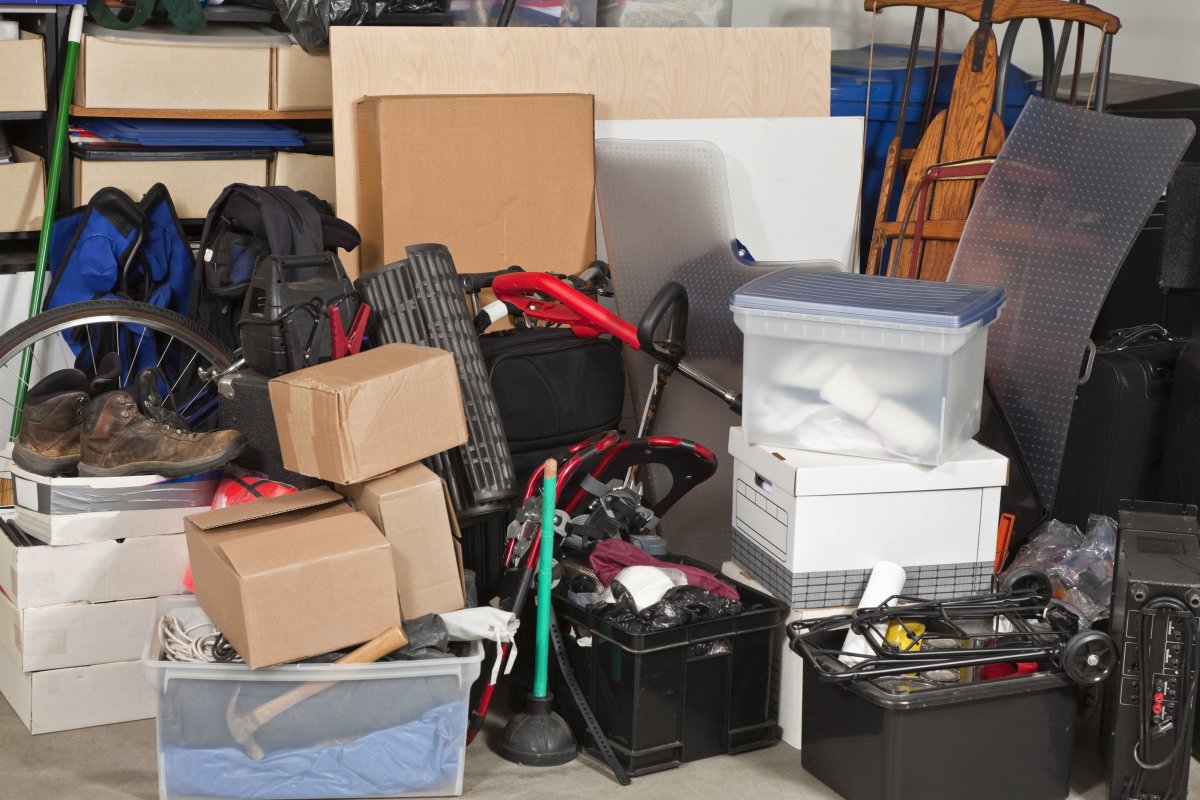

Hazardous waste is one of the most important environmental issues faced by modern societies. As lifestyles change and industries grow the amount of hazardous waste generated every day continues to increase. When people search for what is hazardous waste they often associate it with factories or chemical plants. However hazardous waste is not limited to industrial settings. Hazardous waste is produced in homes businesses hospitals laboratories and commercial facilities. Because of this wide presence hazardous waste disposal has become a shared responsibility for individuals and organizations.
The hazardous waste definition includes any waste material that poses a serious threat to human health or the environment. Hazardous waste contains substances that are toxic flammable corrosive or reactive. These properties make hazardous waste extremely dangerous if handled incorrectly. Hazardous waste examples include chemicals solvents paints oils pesticides batteries electronic waste and medical materials. Household hazardous waste is commonly generated from cleaning agents automotive fluids and home improvement products. Household hazardous waste disposal is often ignored because people assume small quantities are harmless but even small amounts can cause long term damage.
Proper hazardous waste disposal matters because hazardous waste does not break down safely like non hazardous waste. When hazardous waste is mixed with regular trash it can leak harmful substances into landfills and water systems. Waste management hazardous waste disposal focuses on preventing contamination of soil groundwater and air. Hazardous waste management services use controlled processes to treat store and dispose hazardous waste in a way that minimizes risk. Without professional hazardous waste disposal services communities face increased pollution and health hazards.
Household hazardous waste collection programs are designed to address risks at the residential level. Household hazardous waste centers and household hazardous waste facilities provide safe and regulated locations where residents can dispose hazardous waste. Household hazardous waste collection sites help prevent illegal dumping and accidental exposure. Hazardous waste drop off services also make it easier for homeowners to manage home hazardous waste disposal responsibly. These programs play a key role in reducing environmental damage caused by domestic hazardous waste disposal.
Businesses and commercial operations generate even larger volumes of hazardous waste. Business hazardous waste disposal and commercial hazardous waste disposal are governed by strict regulations. Hazardous waste disposal companies specialize in handling these materials safely and legally. Companies that dispose of hazardous waste use approved hazardous waste containers hazardous waste labels and hazardous waste tracking systems to maintain accountability throughout the disposal process. Hazardous waste disposal companies help businesses meet legal requirements while protecting employees and the surrounding community.
Hazardous waste management also includes emergency response and cleanup services. Hazardous waste and spill cleanup requires trained professionals who understand how to control and contain dangerous substances. Hazardous waste removal services reduce the impact of accidents and prevent hazardous materials from spreading further. Hazardous waste clean up is essential for maintaining safety in workplaces and public areas.
The importance of hazardous waste disposal extends beyond immediate safety concerns. Hazardous waste recycling allows certain materials to be recovered and reused in a controlled manner. Hazardous waste recycling reduces the volume of waste sent to disposal facilities and supports sustainability efforts. Waste management hazardous waste solutions help conserve natural resources while reducing pollution.
Understanding hazardous waste and why proper disposal matters is essential for building safer communities. Whether dealing with household hazardous waste or industrial hazardous materials responsible hazardous waste disposal protects public health the environment and future generations. Investing in hazardous waste management services is not only a legal obligation but also a commitment to long term environmental responsibility.
Hazardous Waste Definition and Basic Understanding
Hazardous waste definition and basic understanding is the foundation of safe waste handling for households businesses and industries. Hazardous waste refers to waste materials that pose a serious threat to human health environmental safety or natural resources. Understanding hazardous waste is important because many people unknowingly generate hazardous waste in daily life. Hazardous waste management starts with awareness and identification. Waste management hazardous waste practices are designed to control how hazardous waste is collected stored transported and disposed. Hazardous waste disposal services exist because hazardous waste cannot be treated like ordinary trash. Without proper hazardous waste management services hazardous substances can contaminate land water and air leading to long term damage. Hazardous waste disposal is not only a regulatory requirement but also a responsibility toward public safety and sustainability.
What is hazardous waste and why it is dangerous
When people ask what is hazardous waste they are often unaware of how common it is. Hazardous waste includes any waste that has toxic flammable corrosive or reactive properties. These properties make hazardous waste dangerous even in small quantities. Hazardous waste is dangerous because it can cause poisoning burns respiratory problems and long term illnesses. Household hazardous waste such as cleaning chemicals pesticides and batteries can leak toxic substances into soil and groundwater if disposed improperly. Hazardous waste disposal becomes critical because exposure does not always happen immediately and damage can appear years later. Hazardous waste management services reduce these risks by using controlled systems that prevent accidental exposure. Dispose hazardous waste incorrectly and the danger extends beyond one household to entire communities.
Hazardous waste definition according to regulations
Regulatory authorities define hazardous waste using clear scientific criteria to ensure safety and accountability. The hazardous waste definition according to regulations includes waste that is ignitable corrosive reactive or toxic. If a waste meets any of these conditions it is legally classified as hazardous waste. These regulations apply to household hazardous waste business hazardous waste disposal and commercial hazardous waste disposal. Hazardous waste disposal companies must follow strict procedures when handling such waste. Waste management hazardous waste disposal rules require the use of approved hazardous waste containers hazardous waste labels and licensed hazardous waste facilities. A hazardous waste tracking system is often mandatory to document waste movement from generation to final disposal. These regulations exist to minimize environmental damage and protect public health.
Difference between hazardous waste and non hazardous waste
The difference between hazardous waste and non hazardous waste lies mainly in the level of risk involved. Non hazardous waste includes materials like food waste paper cardboard and packaging that do not pose serious threats when disposed properly. Hazardous waste on the other hand contains substances that can cause injury disease or environmental contamination. Hazardous waste disposal requires specialized treatment methods while non hazardous waste can often be recycled or landfilled. Waste management hazardous waste disposal involves trained professionals and controlled facilities. Mixing hazardous waste with non hazardous waste increases contamination risks and legal penalties. Proper hazardous waste management depends on identifying waste correctly and separating hazardous materials at the source to prevent accidents.
Hazardous waste examples from daily life
Hazardous waste examples from daily life are more common than many people realize. Household hazardous waste includes items such as cleaning products paints solvents pesticides batteries fluorescent bulbs and used motor oil. Home hazardous waste disposal should never involve throwing these items into regular trash bins. Household hazardous waste disposal facilities and household hazardous waste centers are designed to handle these materials safely. In offices and small businesses hazardous waste examples include printer cartridges medical supplies laboratory chemicals and electronic waste. Hazardous waste samples from these sources require hazardous waste collection and hazardous waste pickup services. Knowing hazardous waste examples helps people understand where to dispose of hazardous waste safely and supports responsible hazardous waste management practices.
Types of Hazardous Waste Found in Homes
Homes are one of the most underestimated sources of hazardous waste. Many people believe hazardous waste is only produced by factories or industries but household hazardous waste is generated daily through normal activities. Types of hazardous waste found in homes include chemicals electronics automotive products and maintenance materials. Hazardous waste management at the household level is critical because improper handling leads to pollution and health risks. Household hazardous waste disposal helps prevent toxic substances from entering soil water and air. Waste management hazardous waste practices focus on educating homeowners and providing household hazardous waste collection options. Without awareness home hazardous waste can easily mix with non hazardous waste and create long term environmental damage.
Household hazardous waste explained in detail
Household hazardous waste refers to everyday products used in homes that contain dangerous substances. These materials become hazardous waste when they are no longer usable and need disposal. Household hazardous waste includes items that are toxic flammable corrosive or reactive. Hazardous waste disposal is required because these products can cause burns poisoning or environmental contamination. Household hazardous waste disposal facilities are designed to manage such risks safely. Household hazardous waste management services ensure that waste is collected transported and treated properly. Household hazardous waste collection centers allow residents to dispose hazardous waste without harming the environment. Understanding household hazardous waste is essential because it helps homeowners make responsible disposal decisions and reduces the risk of accidental exposure.
Home hazardous waste from cleaning products
Cleaning products are one of the most common sources of home hazardous waste. Many household cleaners contain strong chemicals that are harmful if inhaled ingested or mixed incorrectly. Home hazardous waste disposal is necessary because pouring these chemicals down drains can contaminate water systems. Hazardous waste disposal services prevent these substances from reaching natural water sources. Household hazardous waste collection programs often accept cleaning chemicals disinfectants and solvents. Hazardous waste management services ensure these products are neutralized or treated safely. Dispose hazardous waste from cleaning products responsibly to protect family health. Household hazardous waste centers provide safe solutions for managing leftover or expired cleaning agents.
Electronic and chemical household hazardous waste
Electronic and chemical household hazardous waste is increasing rapidly as technology advances. Items such as old computers mobile phones batteries and televisions contain hazardous components. These electronics release toxic metals when disposed improperly. Hazardous waste disposal companies specialize in handling electronic hazardous waste safely. Chemical household hazardous waste includes pesticides fertilizers paints and automotive fluids. Household hazardous waste disposal facilities are equipped to manage both electronic and chemical waste. Hazardous waste management prevents harmful substances from leaching into soil and water. Hazardous waste recycling is often possible for electronics which reduces environmental impact. Proper hazardous waste collection is essential for managing these growing waste streams.
Hazardous waste samples commonly found at home
Hazardous waste samples commonly found at home include batteries fluorescent bulbs paint thinners solvents pesticides nail polish remover and used motor oil. These hazardous waste examples are often stored in garages kitchens and storage areas. Home hazardous waste disposal becomes necessary when these items expire or are no longer needed. Household hazardous waste collection sites provide safe drop off options for these materials. Hazardous waste disposal centers ensure that hazardous waste samples are treated according to safety standards. Knowing where to dispose of hazardous waste helps homeowners avoid illegal dumping. Household hazardous waste management protects both indoor environments and surrounding communities from exposure risks.
Commercial and Industrial Hazardous Waste Sources
Commercial and industrial activities are among the largest contributors to hazardous waste generation worldwide. Factories warehouses laboratories hospitals construction sites and service businesses all produce hazardous waste as part of daily operations. Commercial hazardous waste disposal is essential because the volume and toxicity of this waste are far greater than household hazardous waste. Hazardous waste management in commercial settings focuses on safety compliance and efficiency. Waste management hazardous waste systems help industries control risks protect workers and meet legal obligations. Hazardous waste disposal services are designed to manage complex waste streams that include chemicals solvents oils metals and contaminated materials. Without proper hazardous waste disposal facilities industrial waste can cause serious environmental and financial damage.
Hazardous waste industry overview
The hazardous waste industry plays a critical role in protecting public health and the environment. This industry includes hazardous waste management companies hazardous waste disposal companies hazardous waste contractors and hazardous waste removal services. These organizations specialize in collecting treating transporting and disposing of hazardous waste safely. The hazardous waste industry operates under strict regulations to ensure that waste is handled responsibly. Hazardous waste facilities and hazardous waste disposal centers are built to manage high risk materials. Waste management hazardous waste solutions provided by this industry help reduce pollution prevent accidents and support sustainable industrial growth. The hazardous waste industry also invests in technology training and hazardous waste tracking systems to improve safety and accountability.
Business hazardous waste disposal needs
Businesses generate hazardous waste through manufacturing maintenance cleaning and operational processes. Business hazardous waste disposal needs vary depending on the type of industry and materials used. For example automotive shops generate hazardous waste from oils and solvents while healthcare facilities produce medical hazardous waste. Hazardous waste disposal services help businesses manage these materials safely. Hazardous waste management services ensure proper storage labeling and transportation of hazardous waste. Hazardous waste pickup services allow businesses to schedule regular collection and avoid onsite accumulation. Companies that dispose of hazardous waste help businesses remain compliant and reduce liability. Proper business hazardous waste disposal protects employees customers and the surrounding community.
Commercial hazardous waste disposal challenges
Commercial hazardous waste disposal presents several challenges that require professional solutions. One major challenge is handling large volumes of hazardous waste without disrupting operations. Another challenge is ensuring compliance with complex regulations that govern hazardous waste management. Hazardous waste disposal companies address these issues by offering customized hazardous waste disposal services. Waste management hazardous waste disposal requires accurate documentation and tracking. Hazardous waste containers hazardous waste labels and hazardous waste tracking systems help manage these challenges. Improper disposal can result in fines legal action and reputational damage. Professional hazardous waste management services help businesses overcome these challenges efficiently and safely.
Waste management hazardous waste in industries
Waste management hazardous waste in industries involves a structured approach to waste handling. Industries must identify hazardous waste at the source and separate it from non hazardous waste. Hazardous waste management includes proper storage treatment and final disposal at licensed hazardous waste disposal facilities. Hazardous waste transportation plays a key role in moving waste safely between sites. Hazardous waste removal companies ensure that industrial waste is handled by trained professionals. Waste management hazardous waste disposal systems help industries reduce environmental impact and improve sustainability. Effective hazardous waste management supports long term operational success and environmental responsibility.
Hazardous Waste Management and Its Importance
Hazardous waste management is a structured and controlled approach used to handle hazardous waste from the point of generation to final disposal. It plays a vital role in protecting the environment public health and economic stability. Hazardous waste management focuses on identifying hazardous materials separating them from non hazardous waste and ensuring safe treatment and disposal. Waste management hazardous waste practices are designed to reduce pollution and prevent long term environmental damage. Hazardous waste disposal services support industries businesses and households by providing safe and compliant solutions. Without effective hazardous waste management services toxic substances can spread into ecosystems causing irreversible harm. This is why hazardous waste management is considered a core element of sustainable development and environmental protection.
Hazardous waste management for environmental safety
Hazardous waste management for environmental safety aims to prevent toxic substances from entering soil water and air. Hazardous waste contains chemicals that can remain active for years if released into the environment. Proper hazardous waste disposal ensures these materials are neutralized or isolated safely. Waste management hazardous waste systems reduce the risk of groundwater contamination and air pollution. Household hazardous waste and commercial hazardous waste disposal both require careful handling to protect natural resources. Hazardous waste management services help control emissions leaks and spills. By managing hazardous waste responsibly communities can preserve ecosystems protect wildlife and maintain clean water supplies. Environmental safety is one of the primary reasons hazardous waste management is strictly regulated worldwide.
Waste management hazardous waste disposal process
The waste management hazardous waste disposal process follows several controlled steps to ensure safety and compliance. It begins with identifying hazardous waste at the source and storing it in approved hazardous waste containers. Proper hazardous waste labels are applied to prevent handling errors. The waste is then collected through hazardous waste collection or hazardous waste pickup services. Hazardous waste transportation moves the waste to licensed hazardous waste facilities. At these facilities hazardous waste is treated recycled or disposed of using approved methods. Hazardous waste disposal services follow strict protocols to minimize risk. This structured process ensures that hazardous waste disposal is consistent reliable and environmentally responsible.
Hazardous waste tracking system role
A hazardous waste tracking system plays an essential role in modern hazardous waste management. This system records the movement of hazardous waste from generation to final disposal. Hazardous waste tracking helps ensure transparency accountability and regulatory compliance. Waste management hazardous waste disposal relies on tracking systems to prevent illegal dumping and loss of hazardous materials. Hazardous waste disposal companies use tracking systems to monitor storage transportation and treatment stages. These systems also support audits inspections and reporting requirements. By using a hazardous waste tracking system authorities and businesses can verify that hazardous waste is handled safely and legally. Tracking systems strengthen trust and improve overall waste management efficiency.
Hazardous waste management companies responsibilities
Hazardous waste management companies carry significant responsibility in protecting people and the environment. These companies provide hazardous waste management services that include collection storage transportation treatment and disposal. Hazardous waste management companies must follow regulations and use approved hazardous waste disposal facilities. Their responsibilities include training staff maintaining safety equipment and using proper hazardous waste containers. Companies that dispose of hazardous waste must also ensure accurate documentation and tracking. Hazardous waste removal services and hazardous waste clean up operations require specialized expertise. By fulfilling these responsibilities hazardous waste management companies help businesses households and communities manage hazardous waste safely and responsibly.
Hazardous Waste Disposal Methods Explained
Hazardous waste disposal methods are designed to eliminate or reduce the dangers associated with toxic materials. Because hazardous waste can harm people ecosystems and infrastructure it cannot be handled through regular waste systems. Hazardous waste disposal focuses on safety compliance and environmental protection. Waste management hazardous waste disposal involves specialized procedures that vary depending on the type of hazardous waste. Hazardous waste management services ensure that each disposal method meets legal and technical standards. Proper disposal methods help prevent pollution reduce health risks and support sustainable waste management. Understanding how hazardous waste is disposed is essential for households businesses and industries that generate hazardous waste regularly.
How is hazardous waste disposed safely
Many people ask how is hazardous waste disposed in a safe manner. The process begins with identifying hazardous waste and separating it from non hazardous waste. Hazardous waste is then stored in approved hazardous waste containers that prevent leaks and reactions. Proper hazardous waste labels are applied to ensure safe handling. Hazardous waste collection services transport the waste using regulated hazardous waste transportation methods. At hazardous waste disposal facilities the waste is treated using appropriate techniques such as neutralization or containment. Hazardous waste disposal services are designed to minimize exposure and environmental release. Safe disposal protects workers communities and natural resources from long term harm.
Disposal of hazardous waste using modern techniques
Disposal of hazardous waste has evolved with advancements in technology and environmental science. Modern hazardous waste disposal techniques focus on reducing toxicity and volume. Thermal treatment chemical neutralization and secure landfilling are commonly used methods. Waste management hazardous waste disposal systems also include stabilization processes that prevent hazardous substances from reacting. Hazardous waste disposal companies invest in advanced equipment to improve efficiency and safety. These modern techniques help hazardous waste management services meet strict environmental standards. By using updated disposal methods hazardous waste facilities can reduce environmental impact while maintaining regulatory compliance.
Hazardous waste recycling and recovery
Hazardous waste recycling plays an important role in sustainable waste management. Certain hazardous materials can be safely processed and reused under controlled conditions. Hazardous waste recycling reduces the amount of waste sent to disposal facilities and conserves natural resources. Waste management hazardous waste recycling focuses on recovering metals solvents and other valuable materials. Hazardous waste management companies use specialized processes to separate recyclable components. Hazardous waste recovery also lowers disposal costs and environmental footprint. Proper hazardous waste recycling ensures that materials are reused safely without creating new risks. Recycling is an effective solution when combined with responsible hazardous waste disposal practices.
Hazard waste disposal regulations and standards
Hazard waste disposal is governed by strict regulations and standards to protect public health and the environment. These regulations define how hazardous waste must be stored transported treated and disposed. Hazardous waste disposal companies are required to operate licensed hazardous waste disposal facilities. Waste management hazardous waste disposal standards ensure consistent practices across industries. Hazardous waste management services must follow documentation and reporting requirements. Hazardous waste tracking systems support compliance by monitoring waste movement. Regulations also mandate training safety measures and emergency response planning. Adhering to hazard waste disposal regulations reduces accidents legal risks and environmental damage.
Hazardous Waste Disposal Services and Solutions
Hazardous waste disposal services and solutions are essential for managing dangerous materials in a safe and compliant manner. These services are designed to address the needs of businesses households and institutions that generate hazardous waste on a regular basis. Hazardous waste disposal focuses on reducing risks associated with storage handling transportation and final treatment. Waste management hazardous waste solutions provide structured systems that protect people property and the environment. Hazardous waste management services help ensure that hazardous waste is handled according to regulations while minimizing disruption to daily operations. Reliable hazardous waste disposal services also reduce liability and support long term environmental responsibility.
Hazardous waste disposal services for businesses
Businesses across many sectors rely on hazardous waste disposal services to manage their waste safely. Manufacturing facilities healthcare providers laboratories and service industries all generate hazardous waste that requires professional handling. Business hazardous waste disposal involves identifying hazardous materials storing them correctly and arranging proper treatment or disposal. Hazardous waste disposal companies provide customized solutions based on the type and volume of waste generated. Waste management hazardous waste services help businesses comply with regulations and avoid penalties. Hazardous waste disposal services for businesses also include documentation training and compliance support. By using professional services companies can protect employees customers and the surrounding community.
Hazardous waste disposal service for households
Hazardous waste disposal service for households addresses the growing issue of household hazardous waste. Many homes generate hazardous waste from cleaning products batteries paints and electronic items. Household hazardous waste disposal services make it easier for residents to dispose hazardous waste safely. Household hazardous waste centers and household hazardous waste facilities are designed to accept and manage these materials responsibly. Waste management hazardous waste services for households reduce the risk of pollution and accidental exposure. Home hazardous waste disposal becomes more effective when residents use professional disposal services instead of regular trash systems. These services support safer neighborhoods and healthier living environments.
Hazardous waste pickup and scheduled collection
Hazardous waste pickup and scheduled collection services provide convenience and safety for waste generators. These services are especially important for businesses that produce hazardous waste regularly. Hazardous waste pickup allows waste to be removed before it accumulates and becomes a risk. Scheduled collection ensures consistency and compliance with waste management hazardous waste disposal requirements. Hazardous waste management services coordinate pickup schedules transportation and documentation. Hazardous waste collection services also reduce the need for long term onsite storage. For households scheduled household hazardous waste collection events provide safe disposal opportunities. Pickup services simplify hazardous waste disposal while maintaining safety standards.
Hazardous waste removal services overview
Hazardous waste removal services cover the safe extraction and disposal of hazardous materials from homes businesses and industrial sites. These services include hazardous waste clean up hazardous waste removal and emergency response. Hazardous waste removal companies use trained personnel and specialized equipment to manage dangerous substances. Waste management hazardous waste removal services help control spills leaks and contaminated materials. Hazardous waste removal services also support renovations site closures and accident recovery. By using professional hazardous waste removal services waste generators reduce health risks and environmental impact. These services are a critical part of comprehensive hazardous waste management solutions.
Hazardous Waste Disposal Companies and Contractors
Hazardous waste disposal companies and contractors play a vital role in managing dangerous waste safely and legally. These companies are responsible for handling hazardous waste generated by households businesses and industries. Hazardous waste disposal requires technical knowledge regulatory compliance and specialized infrastructure. Waste management hazardous waste solutions provided by professional companies help reduce environmental risks and protect public health. Hazardous waste management services offered by licensed providers ensure that hazardous waste is collected transported treated and disposed according to approved standards. Choosing the right hazardous waste disposal company is essential for avoiding legal issues and environmental damage.
Hazardous waste disposal company selection guide
Selecting the right hazardous waste disposal company requires careful evaluation of experience certifications and service capabilities. A reliable hazardous waste disposal company should be licensed and authorized to operate hazardous waste facilities. Waste management hazardous waste disposal services must comply with local and national regulations. Companies that dispose of hazardous waste should offer clear documentation and tracking support. Hazardous waste management companies with proven experience understand different hazardous waste types and disposal requirements. It is important to choose a company that provides customized hazardous waste disposal services based on business or household needs. Proper selection ensures safe disposal and long term compliance.
Companies that dispose of hazardous waste legally
Companies that dispose of hazardous waste legally follow strict regulations designed to protect people and the environment. These companies operate licensed hazardous waste disposal facilities and hazardous waste centers. Waste management hazardous waste disposal laws require accurate record keeping and reporting. Hazardous waste disposal companies must use approved hazardous waste containers and hazardous waste labels. Legal disposal also involves hazardous waste tracking systems to monitor waste movement. Companies that dispose of hazardous waste legally reduce the risk of illegal dumping and environmental contamination. Working with compliant providers ensures that hazardous waste disposal meets all regulatory standards and avoids penalties.
Hazardous waste contractors roles and expertise
Hazardous waste contractors bring specialized skills and expertise to hazardous waste management projects. Their roles include hazardous waste collection hazardous waste transportation hazardous waste clean up and hazardous waste removal. Waste management hazardous waste contractors are trained to handle toxic flammable and reactive materials safely. Hazardous waste contractors understand emergency response procedures and spill management. They also provide guidance on proper storage labeling and disposal methods. Hazardous waste management services offered by contractors support businesses during routine operations and unexpected incidents. Their expertise helps minimize risks and maintain safety across all stages of hazardous waste handling.
Hazardous waste removal company benefits
Hiring a hazardous waste removal company offers multiple benefits for waste generators. Hazardous waste removal companies provide professional handling and disposal of dangerous materials. Waste management hazardous waste removal services reduce exposure risks for employees and residents. Hazardous waste removal services help manage spills contaminated materials and outdated waste. These companies also support compliance by handling documentation and regulatory requirements. Hazardous waste removal company benefits include improved safety reduced liability and efficient waste management. Using professional removal services ensures that hazardous waste disposal is carried out responsibly and effectively.
Household Hazardous Waste Disposal Options
Household hazardous waste disposal options are designed to help residents manage dangerous materials safely without harming the environment or human health. Many homes generate hazardous waste through daily activities such as cleaning maintenance and repairs. Household hazardous waste disposal focuses on preventing toxic substances from entering regular waste streams. Waste management hazardous waste solutions provide structured methods that reduce risks and support responsible disposal. Household hazardous waste facilities and household hazardous waste centers play a key role in guiding residents toward safe disposal practices. Understanding available household hazardous waste disposal options helps families protect their homes communities and natural surroundings.
Household hazardous waste disposal methods
Household hazardous waste disposal methods depend on the type of waste being discarded. Common methods include drop off at a household hazardous waste center participation in household hazardous waste collection events and use of local hazardous waste facilities. Household hazardous waste disposal facilities are equipped to handle chemicals batteries paints and electronic items safely. Waste management hazardous waste disposal methods ensure that hazardous materials are treated or neutralized properly. Hazardous waste recycling is another method used for certain materials such as electronics and batteries. Using approved disposal methods prevents leaks contamination and accidental exposure. Proper household hazardous waste disposal methods support environmental protection and public safety.
Home hazardous waste disposal safety steps
Home hazardous waste disposal safety steps are essential for preventing accidents and injuries. The first step is identifying hazardous waste and keeping it separate from non hazardous waste. Home hazardous waste should be stored in original containers with clear labels until disposal. Waste management hazardous waste guidelines recommend avoiding mixing different hazardous materials. Proper ventilation and protective equipment reduce exposure risks. Household hazardous waste disposal services provide instructions for safe handling. Following safety steps ensures that hazardous waste disposal does not endanger family members or sanitation workers. These precautions are critical for maintaining a safe home environment.
Domestic hazardous waste disposal rules
Domestic hazardous waste disposal rules are established to protect communities and the environment. These rules define which materials are classified as household hazardous waste and how they must be handled. Domestic hazardous waste disposal often requires using designated household hazardous waste facilities. Waste management hazardous waste disposal rules prohibit dumping hazardous materials into regular trash or drains. Household hazardous waste collection programs operate under these regulations. Compliance with domestic hazardous waste disposal rules reduces pollution and legal risks. Understanding and following these rules helps households contribute to responsible waste management practices.
How to get rid of hazardous waste at home
Many people ask how to get rid of hazardous waste at home safely. The best approach is to use approved household hazardous waste disposal options. Residents should locate nearby household hazardous waste centers or household hazardous waste collection sites. Hazardous waste drop off services make disposal convenient and safe. Household hazardous waste collection events also provide opportunities for proper disposal. Waste management hazardous waste services help residents understand where to dispose of hazardous waste. Avoiding improper disposal protects plumbing soil and water systems. Learning how to get rid of hazardous waste responsibly supports healthier homes and safer communities.
Household Hazardous Waste Collection Facilities
Household hazardous waste collection facilities are essential for managing dangerous materials generated by everyday household activities. These facilities are designed to receive store and manage household hazardous waste in a controlled and secure environment. Household hazardous waste collection facilities help prevent improper disposal that can contaminate soil water and air. Waste management hazardous waste systems rely on these facilities to protect public health and support responsible disposal. By providing accessible options household hazardous waste collection facilities reduce illegal dumping and encourage residents to dispose hazardous waste correctly. Understanding how these facilities work helps households make informed decisions and supports effective hazardous waste management.
Household hazardous waste collection center purpose
The primary purpose of a household hazardous waste collection center is to provide a safe location for residents to dispose of hazardous materials. These centers accept items such as chemicals paints batteries pesticides and electronic waste. Household hazardous waste collection centers prevent these materials from entering regular waste streams. Waste management hazardous waste practices ensure that collected materials are handled by trained staff. Hazardous waste disposal services at these centers focus on safety compliance and environmental protection. By serving as designated drop off points collection centers reduce risks associated with home hazardous waste disposal. Their purpose is to protect communities from exposure and contamination.
Household hazardous waste collection facility operations
Household hazardous waste collection facility operations follow strict procedures to ensure safety and efficiency. Facilities receive hazardous waste from residents and inspect materials for proper handling. Waste management hazardous waste disposal protocols guide storage labeling and segregation. Hazardous waste containers are used to prevent leaks and reactions. Facility operations also include documentation and coordination with hazardous waste disposal companies. Household hazardous waste collection facilities often partner with hazardous waste management companies to transport waste to licensed hazardous waste disposal facilities. These operations ensure that household hazardous waste is managed responsibly from intake to final disposal.
Household hazardous waste collection site guidelines
Household hazardous waste collection site guidelines help residents prepare waste for safe disposal. Guidelines typically require keeping hazardous waste in original containers and ensuring labels are readable. Waste management hazardous waste guidance advises against mixing different materials. Collection site guidelines also specify accepted items and quantities. Household hazardous waste collection sites operate under regulations to protect staff and visitors. Following these guidelines reduces handling risks and improves disposal efficiency. Proper adherence supports smooth operations and ensures that hazardous waste disposal meets safety standards.
Household hazardous waste drop off locations
Household hazardous waste drop off locations provide convenient access to disposal services for residents. These locations may include permanent facilities mobile units or scheduled collection events. Hazardous waste drop off locations are designed to accept a wide range of household hazardous waste safely. Waste management hazardous waste services use these locations to reduce improper disposal. Drop off locations make it easier for residents to find where to dispose of hazardous waste responsibly. Increased accessibility encourages participation and strengthens household hazardous waste management efforts. By using designated drop off locations communities can reduce environmental impact and improve public safety.
Household Hazardous Waste Programs and Events
Household hazardous waste programs and events are created to help residents manage dangerous materials in a safe and organized way. These programs focus on education access and proper disposal of household hazardous waste. Many households generate hazardous waste without realizing the risks involved. Household hazardous waste programs provide clear guidance on hazardous waste disposal and encourage responsible behavior. Waste management hazardous waste initiatives at the community level reduce pollution and protect public health. By offering structured programs and events local authorities make household hazardous waste disposal easier and safer for everyone. These programs also support long term hazardous waste management goals by increasing awareness and participation.
Household hazardous waste program benefits
Household hazardous waste program benefits extend to individuals communities and the environment. These programs provide residents with safe options to dispose hazardous waste without confusion or risk. Household hazardous waste programs reduce improper disposal and illegal dumping. Waste management hazardous waste solutions offered through these programs protect soil water and air from contamination. Program benefits also include improved public awareness and safer neighborhoods. Household hazardous waste disposal becomes more accessible through scheduled services and designated facilities. These programs support responsible home hazardous waste disposal and encourage residents to use household hazardous waste centers regularly.
Household hazardous waste collection events awareness
Household hazardous waste collection events play a major role in raising awareness about hazardous waste disposal. These events inform residents about the dangers of household hazardous waste and proper disposal methods. Waste management hazardous waste campaigns often promote collection events through community outreach. Household hazardous waste collection events provide temporary drop off locations for hazardous materials. These events make disposal convenient for residents who cannot access permanent facilities. Awareness efforts help people understand where to dispose of hazardous waste safely. Increased awareness leads to higher participation and better hazardous waste management outcomes.
Community household hazardous waste collection
Community household hazardous waste collection programs bring disposal services closer to residents. These programs are often organized by local governments or environmental agencies. Community household hazardous waste collection reduces transportation barriers and encourages participation. Waste management hazardous waste services work with communities to manage collected materials safely. These programs also promote shared responsibility for environmental protection. Household hazardous waste collection at the community level builds trust and cooperation. Community based collection strengthens hazardous waste management by making disposal more accessible and inclusive.
Household hazardous waste recycling center role
Household hazardous waste recycling centers play an important role in sustainable waste management. These centers focus on recovering materials from hazardous waste that can be reused safely. Hazardous waste recycling reduces the volume of waste sent to disposal facilities. Waste management hazardous waste recycling processes help conserve resources and reduce environmental impact. Household hazardous waste recycling centers also educate residents about recycling opportunities. By supporting recycling efforts these centers contribute to efficient hazardous waste management. Recycling centers help transform hazardous waste disposal into a more sustainable solution.
Hazardous Waste Facilities and Disposal Centers
Hazardous waste facilities and disposal centers are the backbone of safe hazardous waste management systems. These facilities are specifically designed to receive treat store and dispose of hazardous waste in a controlled environment. Hazardous waste facilities handle waste generated by households businesses and industries that cannot be managed through regular waste systems. Waste management hazardous waste infrastructure ensures that toxic materials are isolated from the environment. Hazardous waste disposal centers play a critical role in preventing pollution protecting public health and maintaining regulatory compliance. Without properly operated hazardous waste facilities hazardous waste disposal would pose serious risks to communities and ecosystems.
Hazardous waste facility functions
Hazardous waste facility functions focus on the safe handling and processing of dangerous materials. These facilities are responsible for receiving hazardous waste and verifying that it is properly identified and documented. Waste management hazardous waste procedures include segregation storage and treatment based on waste type. Hazardous waste facilities use specialized systems to prevent leaks reactions and exposure. Hazardous waste management services ensure that waste is processed according to safety and environmental standards. Some facilities also support hazardous waste recycling and recovery where possible. The core function of a hazardous waste facility is to reduce the risk posed by hazardous waste and ensure responsible disposal.
Hazardous waste disposal facility safety standards
Hazardous waste disposal facility safety standards are established to protect workers the public and the environment. These standards regulate facility design equipment operation and employee training. Waste management hazardous waste disposal standards require secure storage areas ventilation systems and spill containment measures. Hazardous waste disposal facilities must use approved hazardous waste containers and clear hazardous waste labels. Safety standards also include emergency response planning and regular inspections. Hazardous waste management services operating these facilities must follow strict protocols to minimize accidents. Adhering to safety standards ensures that hazardous waste disposal remains controlled and reliable.
Hazardous waste disposal center operations
Hazardous waste disposal center operations involve a structured workflow from waste intake to final treatment or disposal. When hazardous waste arrives it is inspected documented and stored according to its classification. Waste management hazardous waste disposal operations include treatment processes such as neutralization stabilization or secure containment. Hazardous waste disposal centers coordinate with hazardous waste transportation and hazardous waste removal services. Operations also include monitoring systems to track waste movement and ensure compliance. Proper operations reduce environmental impact and maintain transparency. Efficient hazardous waste disposal center operations are essential for effective hazardous waste management.
Local hazardous waste facility access
Access to a local hazardous waste facility is important for encouraging proper hazardous waste disposal. Local hazardous waste facilities provide convenient options for households and businesses to dispose hazardous waste safely. Waste management hazardous waste programs often promote facility locations and operating hours. Easy access reduces illegal dumping and improper disposal. Local hazardous waste facility access supports community participation in hazardous waste management. When residents and businesses know where to dispose of hazardous waste responsibly overall environmental safety improves. Accessible facilities strengthen hazardous waste disposal systems and protect public health.
Hazardous Waste Containers and Labeling
Hazardous waste containers and labeling are essential elements of safe hazardous waste management. Proper containers and clear labels help prevent accidents spills and exposure during storage handling and transportation. Hazardous waste containers are designed to hold toxic flammable or corrosive materials without leaking or reacting. Waste management hazardous waste systems rely on approved containers to maintain safety standards. Hazardous waste labeling provides critical information that helps workers and responders understand the risks involved. Without proper containers and labeling hazardous waste disposal becomes unsafe and unpredictable. These practices protect people facilities and the environment throughout the hazardous waste disposal process.
Hazardous waste container requirements
Hazardous waste container requirements are established to ensure safe storage and handling of dangerous materials. Containers must be compatible with the type of hazardous waste they hold. Waste management hazardous waste guidelines require containers to be durable leak proof and resistant to corrosion. Hazardous waste containers must be kept closed except when adding or removing waste. Proper container requirements also include regular inspection for damage. Hazardous waste disposal services depend on compliant containers to reduce risks. Using approved hazardous waste containers is a key part of effective hazardous waste management and regulatory compliance.
Hazardous waste containers for transport
Hazardous waste containers for transport are designed to withstand movement and environmental conditions. During hazardous waste transportation containers must prevent spills leaks and exposure. Waste management hazardous waste disposal regulations require secure packaging and containment. Hazardous waste disposal companies use specialized containers that meet transportation standards. These containers are tested for strength and stability. Hazardous waste containers for transport also support safe hazardous waste pickup and removal services. Proper transport containers reduce the risk of accidents and protect workers and the public during hazardous waste movement.
Hazardous waste label importance
Hazardous waste label importance cannot be overstated in hazardous waste management. Labels provide essential information about the contents hazards and handling requirements. Waste management hazardous waste labels help prevent mishandling and incorrect disposal. Hazardous waste labels identify the type of waste and associated risks. Clear labeling supports safe hazardous waste collection and disposal. Hazardous waste disposal facilities rely on labels to process waste correctly. Proper labeling also supports compliance with regulations and improves safety during emergencies. Effective hazardous waste labeling is a critical component of responsible waste management.
Hazardous waste symbol identification
Hazardous waste symbol identification helps workers and responders recognize dangerous materials quickly. Symbols indicate specific hazards such as toxicity flammability or corrosiveness. Waste management hazardous waste systems use standardized symbols for consistency. Hazardous waste symbols are displayed on containers labels and transport documents. Recognizing these symbols helps prevent accidents and exposure. Hazardous waste management services train personnel to understand symbol meanings. Accurate symbol identification enhances safety throughout hazardous waste disposal processes and supports effective risk management.
Hazardous Waste Transportation and Handling
Hazardous waste transportation and handling are critical stages in the overall hazardous waste management process. Once hazardous waste is generated it must be moved from the source to a hazardous waste facility or hazardous waste disposal center in a safe and controlled manner. Waste management hazardous waste transportation focuses on preventing spills leaks and exposure during movement. Proper handling ensures that hazardous waste disposal does not create new risks for workers the public or the environment. Hazardous waste management services use trained personnel approved equipment and regulated procedures to maintain safety throughout transportation and handling. Without strict controls hazardous waste transportation can become one of the most dangerous points in the disposal process.
Hazardous waste transportation safety measures
Hazardous waste transportation safety measures are designed to protect people and the environment during waste movement. These measures include using approved hazardous waste containers and secure loading practices. Waste management hazardous waste regulations require vehicles to be equipped with safety equipment and emergency response tools. Hazardous waste transportation also involves route planning to reduce exposure to populated areas. Hazardous waste disposal companies train drivers and handlers to respond to spills or accidents. Safety measures include proper documentation and hazardous waste labels for identification. Following transportation safety measures reduces accidents and ensures compliant hazardous waste disposal.
Hazardous waste bin usage guidelines
Hazardous waste bin usage guidelines help ensure safe temporary storage and handling of hazardous materials. Hazardous waste bins must be compatible with the type of waste stored inside. Waste management hazardous waste guidelines require bins to be clearly labeled and kept closed when not in use. Hazardous waste bin placement should minimize exposure and prevent unauthorized access. Regular inspection of bins helps identify leaks or damage early. Hazardous waste disposal services rely on proper bin usage to maintain safety before collection. Following bin usage guidelines supports effective hazardous waste management and reduces handling risks.
Hazardous waste collection process
The hazardous waste collection process involves systematic steps to ensure safety and compliance. Collection begins with identifying hazardous waste and preparing it for pickup. Waste management hazardous waste collection services schedule pickups based on waste volume and type. Hazardous waste collection uses trained personnel and approved equipment to avoid spills. Proper documentation accompanies each collection to support tracking and compliance. Hazardous waste disposal companies coordinate collection with transportation and facility operations. A structured collection process ensures that hazardous waste moves smoothly from generation to disposal without unnecessary risks.
Hazardous waste removal handling practices
Hazardous waste removal handling practices focus on minimizing exposure and preventing contamination. Removal involves carefully lifting transferring and securing hazardous waste containers. Waste management hazardous waste removal services follow strict procedures to avoid contact and reactions. Hazardous waste removal companies use protective equipment and specialized tools. Handling practices also include spill prevention and immediate response planning. Proper handling supports safe hazardous waste disposal and protects workers and nearby communities. Effective hazardous waste removal handling is essential for maintaining safety throughout the waste management process.
Hazardous Waste Clean Up and Spill Management
Hazardous waste clean up and spill management are critical services that protect people property and the environment from immediate and long term harm. Spills and accidental releases of hazardous waste can occur during storage handling transportation or industrial operations. Waste management hazardous waste clean up focuses on rapid response containment and proper disposal. Hazardous waste management services are structured to control risks before they escalate into serious incidents. Effective clean up and spill management reduce exposure prevent contamination and support regulatory compliance. Without professional hazardous waste clean up services spills can spread quickly and cause severe environmental and health damage.
Hazardous waste and spill cleanup procedures
Hazardous waste and spill cleanup procedures follow a systematic approach to ensure safety and effectiveness. The first step involves assessing the type and volume of hazardous waste involved. Waste management hazardous waste procedures then focus on isolating the affected area to prevent further spread. Proper hazardous waste containers and absorbent materials are used to contain the spill. Cleanup teams wear protective equipment to avoid exposure. Hazardous waste disposal services ensure that collected materials are transported to licensed hazardous waste disposal facilities. Following established cleanup procedures minimizes risks and restores affected areas safely.
Emergency hazardous waste clean up services
Emergency hazardous waste clean up services are designed to respond quickly to unexpected incidents. These services operate around the clock to manage spills leaks and accidents involving hazardous waste. Waste management hazardous waste emergency teams are trained to handle high risk situations. Emergency services focus on containment neutralization and safe removal of hazardous substances. Hazardous waste clean up services prevent spills from reaching water sources or populated areas. Rapid response reduces environmental damage and protects public health. Emergency hazardous waste clean up services are essential for industries that handle large volumes of hazardous waste.
Hazardous waste disposal contractors for spills
Hazardous waste disposal contractors play a key role in managing spill incidents. These contractors provide specialized hazardous waste management services during cleanup operations. Waste management hazardous waste disposal contractors are trained to handle toxic flammable and corrosive materials. Their responsibilities include assessing risks containing spills and coordinating disposal. Hazardous waste disposal contractors use approved hazardous waste containers and follow regulatory procedures. Working with experienced contractors ensures that spills are managed safely and legally. Their expertise helps minimize damage and supports effective hazardous waste disposal.
Hazardous waste removal companies expertise
Hazardous waste removal companies bring advanced expertise to clean up and spill management. These companies specialize in hazardous waste removal hazardous waste clean up and hazardous waste transportation. Waste management hazardous waste removal services include trained personnel specialized equipment and safety protocols. Hazardous waste removal companies understand regulatory requirements and environmental risks. Their expertise allows them to manage complex cleanup situations efficiently. By using professional hazardous waste removal services organizations reduce liability and protect communities. Expert removal companies are a vital part of comprehensive hazardous waste management systems.
Why Proper Hazardous Waste Disposal Matters
Proper hazardous waste disposal matters because hazardous materials pose serious risks when they are not handled responsibly. Hazardous waste affects air water soil human health and overall environmental stability. Waste management hazardous waste disposal focuses on controlling these risks through regulated processes. Hazardous waste management services ensure that dangerous substances are treated and disposed of safely. Without proper hazardous waste disposal communities face pollution health hazards and legal consequences. Understanding why hazardous waste disposal matters helps individuals and businesses make informed decisions and adopt responsible waste management practices.
Environmental impact of improper hazardous waste disposal
Improper hazardous waste disposal can cause severe environmental damage that lasts for decades. When hazardous waste is dumped illegally or mixed with regular trash toxic substances can seep into soil and groundwater. Waste management hazardous waste pollution affects plants animals and entire ecosystems. Hazardous waste disposal failures lead to water contamination air pollution and loss of biodiversity. Hazardous waste management services are designed to prevent these impacts by using controlled disposal methods. Proper disposal protects natural resources and supports environmental sustainability. Preventing environmental damage is one of the most important reasons hazardous waste disposal matters.
Health risks from disposing of hazardous waste wrongly
Disposing of hazardous waste wrongly creates serious health risks for people and communities. Hazardous waste contains substances that can cause poisoning burns respiratory problems and chronic illnesses. Waste management hazardous waste exposure can occur through contaminated water air or direct contact. Household hazardous waste poses particular risks because it is often handled without proper protection. Hazardous waste disposal services reduce health risks by ensuring safe handling and treatment. Protecting public health is a core goal of hazardous waste management. Proper disposal helps prevent illness and long term health complications.
Legal consequences of hazardous waste violations
Legal consequences of hazardous waste violations can be severe for individuals and businesses. Waste management hazardous waste regulations are enforced to protect public safety and the environment. Improper hazardous waste disposal can result in fines penalties and legal action. Hazardous waste disposal companies must follow strict laws and reporting requirements. Businesses that fail to comply with hazardous waste management rules risk reputational damage and financial loss. Legal consequences highlight the importance of using professional hazardous waste disposal services. Compliance ensures that hazardous waste is managed responsibly and legally.
Long term benefits of hazardous waste disposal services
The long term benefits of hazardous waste disposal services extend beyond immediate safety. Proper hazardous waste disposal supports cleaner environments healthier communities and sustainable growth. Waste management hazardous waste services reduce pollution and conserve natural resources. Hazardous waste disposal services help organizations maintain compliance and reduce liability. Long term use of professional hazardous waste management services builds trust with customers and regulators. Investing in proper disposal creates positive environmental and economic outcomes. These benefits make hazardous waste disposal services an essential part of responsible waste management.
Conclusion
Hazardous waste management and disposal are not optional practices but essential responsibilities for households businesses and industries. Throughout this guide it is clear that hazardous waste exists in many forms and locations including homes workplaces and commercial facilities. From household hazardous waste to large scale commercial hazardous waste disposal every type of hazardous waste requires careful handling. Proper hazardous waste disposal protects the environment human health and community safety. Waste management hazardous waste systems are designed to control risks that cannot be managed through ordinary waste methods.
Hazardous waste disposal services provide structured solutions that include collection transportation treatment and final disposal. These services help prevent pollution reduce health risks and ensure compliance with regulations. Household hazardous waste disposal options household hazardous waste collection facilities and community programs make it easier for residents to dispose hazardous waste safely. Similarly hazardous waste disposal companies and hazardous waste management companies support businesses by offering professional and compliant services.
Ignoring hazardous waste disposal leads to serious environmental damage health problems and legal consequences. On the other hand investing in hazardous waste management services delivers long term benefits including cleaner surroundings safer communities and sustainable operations. Understanding where to dispose of hazardous waste and how to get rid of hazardous waste responsibly empowers individuals and organizations to act correctly. Proper hazardous waste disposal matters because it safeguards present and future generations while supporting a healthier and more sustainable world.
Frequently Asked Questions
What is hazardous waste
Hazardous waste is any waste material that poses a threat to human health or the environment because of its chemical physical or biological properties. Hazardous waste may be toxic flammable corrosive or reactive which makes it dangerous if handled incorrectly. Hazardous waste includes materials from homes businesses and industries. Proper hazardous waste disposal and hazardous waste management services are required because this type of waste cannot be treated like non hazardous waste. Without controlled disposal hazardous waste can contaminate soil water and air for long periods.
What are common hazardous waste examples
Hazardous waste examples are found in daily life more often than people realize. Household hazardous waste includes cleaning chemicals paints solvents pesticides batteries fluorescent bulbs and electronic items. In commercial and industrial settings hazardous waste examples include oils laboratory chemicals medical waste and contaminated materials. These hazardous waste samples require proper hazardous waste collection and disposal services. Recognizing hazardous waste examples helps people understand the importance of responsible disposal.
What is household hazardous waste
Household hazardous waste refers to dangerous materials generated from everyday household activities. Home hazardous waste includes products used for cleaning maintenance gardening and repairs. Household hazardous waste disposal is important because improper handling can expose families to health risks. Household hazardous waste centers and household hazardous waste facilities are designed to accept and manage these materials safely. Using these facilities protects homes and communities from contamination.
Where to dispose of hazardous waste safely
Hazardous waste should always be disposed at approved and licensed facilities. Safe options include hazardous waste disposal centers household hazardous waste collection centers and local hazardous waste facilities. Many communities also provide hazardous waste drop off locations and household hazardous waste collection events. These options ensure that hazardous waste is handled through proper waste management hazardous waste disposal systems. Safe disposal prevents illegal dumping and environmental damage.
How to get rid of hazardous waste at home
Getting rid of hazardous waste at home requires careful planning and awareness. Residents should first identify hazardous materials and keep them separate from non hazardous waste. Home hazardous waste disposal should be done through household hazardous waste centers or household hazardous waste disposal facilities. Using household hazardous waste collection services reduces risks and ensures safe handling. Never dispose hazardous waste in sinks drains or regular trash bins.
How is hazardous waste disposed properly
Hazardous waste is disposed through a controlled and regulated process. This process includes identification storage labeling collection transportation treatment and final disposal. Hazardous waste disposal services use approved hazardous waste containers and hazardous waste labels to ensure safety. Waste management hazardous waste disposal systems are designed to prevent leaks spills and exposure. Proper disposal protects workers the public and the environment.
What is hazardous waste management
Hazardous waste management is the system used to control hazardous waste from the moment it is created until final disposal. It includes hazardous waste collection hazardous waste transportation hazardous waste recycling and disposal. Hazardous waste management services help households and businesses comply with regulations and reduce risks. Effective management prevents pollution and supports environmental protection.
Why hazardous waste disposal matters
Hazardous waste disposal matters because improper disposal can lead to serious consequences. Waste management hazardous waste pollution can contaminate water supplies soil and air. Exposure to hazardous waste can cause health problems and long term illnesses. Proper hazardous waste disposal services reduce these risks and support safe communities. Responsible disposal is essential for environmental sustainability.
What are hazardous waste disposal services
Hazardous waste disposal services are professional services that handle hazardous waste safely and legally. These services include hazardous waste pickup hazardous waste removal hazardous waste recycling and disposal at licensed facilities. Hazardous waste disposal services are used by households businesses and industries to manage dangerous materials responsibly. They play a key role in waste management hazardous waste systems.
What are hazardous waste disposal companies
Hazardous waste disposal companies are licensed organizations that specialize in managing hazardous waste. These companies operate hazardous waste facilities and hazardous waste disposal centers. Companies that dispose of hazardous waste provide expertise equipment and compliance support. Working with hazardous waste disposal companies helps reduce legal and environmental risks.
What is a household hazardous waste center
A household hazardous waste center is a designated facility where residents can safely dispose of household hazardous waste. These centers accept chemicals batteries electronics paints and other hazardous materials. Household hazardous waste centers prevent improper disposal and protect the environment. They are an important part of community hazardous waste management programs.
What is hazardous waste recycling
Hazardous waste recycling is the process of recovering usable materials from hazardous waste under controlled conditions. Hazardous waste recycling reduces the volume of waste sent to disposal facilities. Waste management hazardous waste recycling helps conserve resources and reduce environmental impact. Recycling is used only when it can be done safely and responsibly.
What are hazardous waste containers and labels
Hazardous waste containers are specially designed to store hazardous materials safely without leaks or reactions. Hazardous waste labels provide clear information about the contents and associated risks. Proper containers and labeling are essential for safe hazardous waste disposal transportation and handling. They help prevent accidents and ensure regulatory compliance.
What are the legal consequences of improper hazardous waste disposal
Improper hazardous waste disposal can result in serious legal consequences. Waste management hazardous waste regulations are enforced to protect public health and the environment. Violations can lead to fines penalties legal action and business shutdowns. Using professional hazardous waste disposal services helps avoid these consequences and ensures compliance.
Who needs hazardous waste disposal services
Hazardous waste disposal services are needed by anyone who generates hazardous waste. This includes households businesses industries hospitals laboratories and construction sites. Proper hazardous waste management services help protect people the environment and property. Using professional disposal services ensures that hazardous waste is handled safely and responsibly.