Whether you’re tackling a home cleanout, construction project, or a major renovation, one of the first decisions you’ll need to make is selecting the right dumpster rental size. With various dumpster container sizes available, the question becomes: What size dumpster do I need? Understanding the available sizes and their ideal uses is essential to ensure you’re not overpaying for unused space or scrambling to find a second dumpster for your project.
In this guide, we’ll cover everything you need to know about choosing the right dumpster size. We’ll explore standard dumpster sizes, discuss factors to consider when making your choice, and provide practical advice for a range of projects.
Our Roll-Off Dumpster Sizes and Dimensions
When renting a dumpster, it’s important to understand the dumpster dimensions to ensure that you select the best size for your project. Roll-off dumpsters are commonly rented for home renovations, construction projects, and general cleanouts. Here are the dimensions for some of the most common dumpster rental sizes.
10 Cubic Yard Dumpster
- Dimensions: 14′ long x 7.5′ wide x 3.5′ high
- Capacity: 3 pickup truckloads
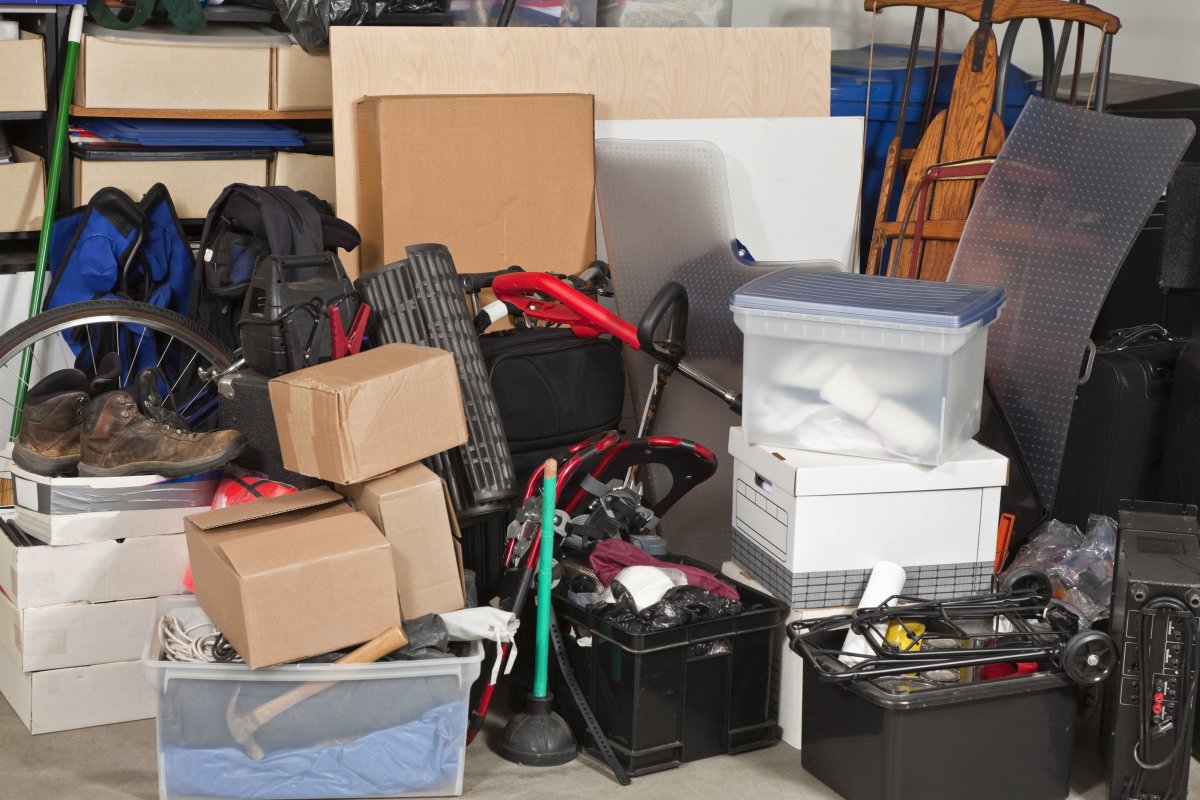
- Ideal For: Small cleanout projects, such as clearing out a garage, attic, or basement. Perfect for minor landscaping work or small home renovation projects.
- What It Holds: A 10 cubic yard dumpster holds about the equivalent of 3 pickup truckloads of waste. It’s an excellent choice for small projects where you need to dispose of light debris.
The 10-yard dumpster is the smallest available in most rental options, making it perfect for smaller-scale projects. Whether you’re cleaning out a garage or handling a weekend landscaping cleanup, a 10-yard dumpster provides the right amount of space without overwhelming your yard or driveway.
12 Cubic Yard Dumpster
- Dimensions: 14′ long x 7.5′ wide x 4′ high
- Capacity: 3-4 pickup truckloads
- Ideal For: Small to medium-sized cleanouts or home improvement projects.
- What It Holds: The 12-yard dumpster provides slightly more space than the 10-yard option, allowing for larger cleanouts, like removing a few rooms of furniture or old appliances.
A 12-yard dumpster offers greater flexibility for homeowners or small businesses that need a little extra space for debris. It’s perfect for medium-sized cleanouts or home improvement projects.
15 Cubic Yard Dumpster
- Dimensions: 16′ long x 7.5′ wide x 4.5′ high
- Capacity: 4-5 pickup truckloads
- Ideal For: Larger cleanouts, small to medium-sized home remodeling projects, or furniture removal.
- What It Holds: The 15-yard dumpster is ideal for larger home cleanouts or projects like a kitchen or bathroom remodel. It provides ample space for larger amounts of debris like furniture, cabinets, or flooring.
20 Cubic Yard Dumpster
- Dimensions: 22′ long x 7.5′ wide x 4.5′ high
- Capacity: 6 pickup truckloads
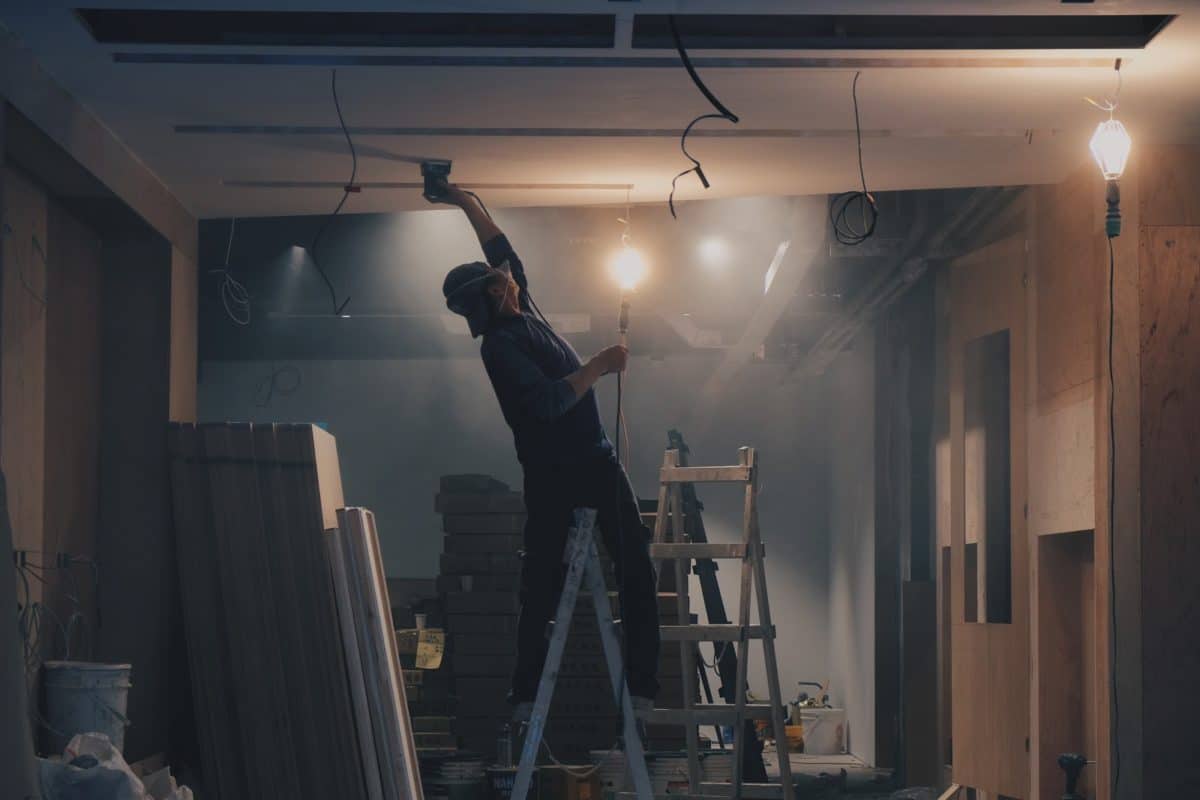
- Ideal For: Larger home renovations, small construction jobs, or cleaning out a garage or attic.
- What It Holds: A 20-yard dumpster is spacious enough to accommodate bulkier items like furniture, drywall, and flooring, making it perfect for major cleanups.
30 Cubic Yard Dumpster
- Dimensions: 22′ long x 7.5′ wide x 6′ high
- Capacity: 9 pickup truckloads
- Ideal For: Larger home renovations, major construction debris removal, or larger cleanouts.
- What It Holds: The 30-yard dumpster offers space for large quantities of debris from major renovations such as a full kitchen remodel or construction cleanup.
40 Cubic Yard Dumpster
- Dimensions: 22′ long x 7.5′ wide x 8′ high
- Capacity: 12 pickup truckloads
- Ideal For: Major construction projects, commercial cleanouts, or extensive remodeling jobs.
- What It Holds: The 40-yard dumpster is designed to accommodate massive amounts of debris generated by large commercial or industrial projects, as well as extensive renovations or major demolitions.
Key Factors for Choosing the Perfect Dumpster Size
When choosing the right dumpster for your project, several factors will play a role in determining the best dumpster size.
It’s important to evaluate the following:
Type of Debris
Different types of debris will take up different amounts of space. Light, bulky materials such as old furniture or cardboard take up more space in the dumpster compared to compact but heavy items like bricks or concrete. Heavy debris may require a smaller dumpster size, as it can quickly fill up the container even though the materials are dense.
For example, if you’re disposing of drywall and flooring from a home remodel, a 20-yard dumpster might be perfect. But, if you’re dealing with a lot of heavy concrete or bricks from a demolition, you may want to opt for a 10-yard dumpster that’s specifically designed to handle the extra weight.
Amount of Debris
The amount of debris you have will largely influence your choice. Larger projects such as construction debris, full home remodels, or extensive garage cleanouts generate more waste and require a bigger dumpster. On the other hand, smaller projects like clearing out a few rooms or doing some landscaping work will need less space.
You can generally estimate that 1 cubic yard is equivalent to about 3 pickup truckloads. So, if you’re unsure, start by estimating how many truckloads of debris your project will generate. This gives you a rough idea of how much space you need.
Delivery Location
Consider where the dumpster will be placed. A small dumpster may be all you need if you have limited space in your driveway or backyard. Larger dumpsters such as the 30-yard dumpster may require extra room and careful placement on your property.
What Size Roll-Off Dumpster Do I Need for My Project?
Different types of projects require different dumpster sizes. Whether you’re cleaning out a house, working on a landscaping project, remodeling a kitchen, or handling a major construction job, it’s essential to choose the right dumpster size for the job. Below, we’ll help you determine which size is best suited for various types of projects.
Heavy Debris — 10 Yard Dumpster
For projects that involve heavy debris like dirt, concrete, or rocks, a 10-yard dumpster is often your best bet. Heavy materials like these can quickly fill up a dumpster, so it’s important to get the right size to avoid overloading. A 10-yard dumpster size can hold the equivalent of 3 pickup truckloads of waste, making it ideal for small demolition jobs or clearing out a small space.
When to Use:
- Concrete or stone debris from small demolition jobs
- Dirt or gravel from landscaping projects
- Small home remodeling projects (e.g., bathroom or kitchen remodel)
The 10 cubic yard dumpster is perfect for those needing a compact yet powerful container that can handle dense, heavy materials without overwhelming your space.
Landscaping — 15 Yard Dumpster
If you’re tackling a landscaping project, a 15-yard dumpster is typically the right choice. Whether you’re clearing out trees, bushes, or large amounts of grass, a 15-yard dumpster offers ample space for bulky, yet lighter materials. Landscaping projects often involve a lot of organic debris that takes up more space, so the 15-yard dumpster size is perfect for accommodating the debris while remaining manageable.
When to Use:
- Tree and shrub removal
- Lawn or garden cleanups
- Large landscaping renovations (e.g., digging up soil for new gardens)
A 15-yard dumpster offers enough capacity to handle the organic material from landscaping projects while still being small enough to fit into tight spaces.
Home Cleanouts — 20 Yard Dumpster
For larger cleanout jobs, such as clearing out a whole house, garage, or attic, a 20-yard dumpster is the optimal choice. The 20-yard garbage container can hold around 6 pickup truckloads of debris, making it perfect for projects where you need to dispose of bulky furniture, old appliances, or large quantities of junk.
When to Use:
- Whole house cleanouts
- Large garage or basement cleanouts
- Furniture and appliance removal
A 20-yard dumpster provides enough space for larger items like furniture, mattresses, and appliances, making it ideal for both residential and small commercial cleanouts.
Remodeling — 30 Yard Dumpster
If you’re working on a remodeling project, such as a kitchen, bathroom, or larger home renovation, a 30-yard dumpster will provide the necessary space. Remodeling projects generate a mix of debris, including drywall, cabinetry, flooring, and fixtures. The 30-yard dumpster size is large enough to handle these materials without being too large for residential driveways.
When to Use:
- Kitchen or bathroom remodels
- Whole home remodeling or room additions
- Large-scale construction projects with mixed debris
A 30-yard dumpster is the perfect size for moderate to large renovations, ensuring that you can dispose of all your construction and remodeling waste in one go.
Construction — 40 Yard Dumpster
For large-scale construction projects, a 40-yard dumpster is the go-to choice. These jobs often involve massive amounts of debris, including concrete, drywall, wood, and metal, all of which take up a lot of space. A 40 cubic yard dumpster can hold the equivalent of about 12 pickup truckloads, making it ideal for commercial construction, large home renovations, and significant demolition projects.
When to Use:
- Large construction projects (e.g., new builds or major renovations)
- Demolition debris from commercial buildings
- Commercial cleanouts
The 40-yard trash dumpster is the largest available, designed to accommodate massive amounts of debris generated by commercial or large residential construction projects.
Do You Have Lots of Junk to Get Rid Of?
If you’re tackling a significant cleanout or large renovation project, you may be wondering whether you need a large dumpster. The answer depends on how much junk or debris you’re dealing with. When deciding on the right dumpster size, it’s important to consider the volume of items you’re discarding.
How to Estimate How Much Junk You Have
Here are some practical tips to help you estimate how much debris your project will generate:
- Count Pickup Truck Loads: A 10-yard dumpster holds approximately 3 pickup truckloads of debris. If you estimate how many truckloads of junk you’ll have, it can help you gauge whether you need a small dumpster or a larger one.
- Consider the Type of Items: If you are discarding bulky items, such as furniture, appliances, or large household goods, these items take up more space. Smaller items, like paper, small household goods, and clothing, will fit into a smaller dumpster, but they can still accumulate quickly.
- Weight Matters: Heavier debris like concrete, bricks, or dirt may take up less space, but they weigh more and fill the dumpster faster. For these types of materials, a smaller size like the 10-yard dumpster or 12-yard dumpster may be sufficient.
Estimating Debris Based on Project Type
- Home Cleanout: For a complete house cleanout, consider using a 20-yard dumpster. This size will accommodate furniture, boxes, old electronics, and other household items. If it’s a more minor cleanout (e.g., clearing out a couple of rooms or a garage), a 15-yard dumpster should suffice.
- Remodeling: For a kitchen or bathroom remodel, a 20 to 30-yard dumpster is usually the best choice. Larger remodeling projects might need a 30-yard dumpster, especially if the job involves removing cabinets, countertops, or flooring materials.
- Construction Projects: Construction projects can generate large amounts of debris, especially when you’re demolishing structures or performing extensive renovations. For these types of jobs, a 30 or 40-yard dumpster is typically ideal.
By carefully considering the amount and type of debris your project will generate, you can select the right dumpster size for your needs.
How to Pick the Right Size Dumpster for Your Project
Once you have a sense of the type of waste you’re dealing with, the next step is choosing a dumpster size that will best accommodate your project’s needs. Here are some practical tips to ensure you select the right size:
- Choose a Larger Dumpster if You’re Unsure: It’s always better to overestimate your needs and choose a larger dumpster than to run out of space halfway through the project. For example, if you’re uncertain, it might be wise to rent a 30-yard dumpster instead of a 20-yard dumpster if your project involves large-scale debris.
- Match the Project Type with the Size: For example, a remodeling project typically involves large materials like drywall, flooring, or cabinets, which fit perfectly in a 20 to 30-yard dumpster. In contrast, if you’re just cleaning out some boxes or furniture, a 10 or 12-yard dumpster will work well.
- Consider Weight Restrictions: Most dumpsters have weight limits, which can be a factor when disposing of heavy materials like concrete, roofing materials, or dirt. Make sure the dumpster you rent can handle the weight of your materials to avoid additional fees.
Popular Dumpster Sizes By Project Type
Different types of projects require different sizes of dumpsters. Depending on the scope of your project, the amount of debris you generate, and the type of materials you’re disposing of, the right dumpster size can vary. Let’s break down the most common dumpster sizes for various types of projects, from home cleanouts to construction debris removal.
Home Cleanouts
When it comes to cleaning out a house, whether it’s for a move, estate cleanout, or spring cleaning, the amount of debris can vary. Large furniture, old appliances, and a variety of household items need to be disposed of, which requires a dumpster with sufficient space.
Recommended Dumpster Sizes:
- Small Cleanouts (10 to 12 yards): For cleaning out a small apartment or just a few rooms, a 10-yard dumpster may be sufficient. If you’re cleaning out a larger space or a few rooms in a house, a 12-yard dumpster would likely suffice.
- Full House Cleanouts (20 yards): If you’re tackling an entire house cleanout or clearing out a larger home with multiple rooms, the 20-yard dumpster is an excellent choice. This size allows for the disposal of larger items like furniture and appliances while still being manageable in terms of space.
Typical Projects: Clearing out a garage, attic, or basement, as well as getting rid of old furniture, appliances, or boxes of unwanted items.
Remodeling Projects
Remodeling can generate a significant amount of debris, including flooring, drywall, cabinetry, and fixtures. These materials can take up a lot of space and need to be disposed of properly.
Recommended Dumpster Sizes:
- Small to Medium Remodeling Projects (20 to 30 yards): For a kitchen or bathroom remodel, a 20-yard dumpster is typically sufficient. It allows you to dispose of construction debris, cabinets, countertops, and flooring materials with ease.
- Larger Home Renovations (30 to 40 yards): If you’re doing a larger renovation project, like a home addition or a major remodel involving multiple rooms, the 30-yard dumpster is often a better fit. If you’re demolishing walls or dealing with larger amounts of material, you may even need a 40-yard dumpster.
Typical Projects: Bathroom or kitchen remodels, large home renovations, or room additions.
Roofing Projects
Roofing projects can generate a large amount of debris, including shingles, nails, and other materials. The dumpster size you choose will depend on the size of the roof being replaced and the amount of debris generated.
Recommended Dumpster Sizes:
- Small to Medium Roofs (20 yards): For smaller roofing jobs or homes with a standard-sized roof, a 20-yard dumpster will usually suffice. It can handle the bulk of shingles, underlayment, and other materials that come off the roof.
- Larger Roofs or Commercial Roofing Projects (30 to 40 yards): For larger homes or commercial buildings, you may need a 30-yard dumpster to handle the volume of roofing debris. A 40-yard dumpster may be required for very large roofing jobs, such as apartment complexes or commercial properties.
Typical Projects: Replacing the roof on a residential home, commercial roofing jobs, or re-roofing a larger building.
Construction Projects
Construction projects can produce a significant amount of waste, ranging from large pieces of drywall to wood, concrete, and steel. The amount of debris generated by demolition or new builds can vary, so selecting the right size dumpster is essential.
Recommended Dumpster Sizes:
- Small to Medium Construction Jobs (20 to 30 yards): For small or medium-sized construction projects, such as building a small home, a 20-yard dumpster or 30-yard dumpster is usually enough to handle the debris generated.
- Large Construction Projects (40 yards): For larger construction jobs, including new home builds or commercial construction, a 40-yard dumpster is the most common choice. These larger dumpsters are designed to handle a high volume of debris, including concrete, lumber, and other heavy materials.
Typical Projects: Building new homes, demolitions, commercial construction, and large-scale renovations.
Landscaping Projects
Landscaping projects often involve organic waste such as tree branches, soil, sod, and other plant matter. This type of debris can take up a lot of space, even though it is typically lighter in weight.
Recommended Dumpster Sizes:
- Small to Medium Landscaping Jobs (15 to 20 yards): For regular landscaping jobs, such as clearing out a garden, removing tree branches, or laying new sod, a 15-yard dumpster is usually sufficient. It provides enough space to handle organic waste without taking up too much room.
- Larger Landscaping Projects (20 yards): If you’re dealing with larger-scale landscaping projects like tree removal or extensive garden redesigns, a 20-yard dumpster will be a better fit to handle the bulkier debris.
Typical Projects: Yard cleanups, tree removal, garden redesigns, and general landscaping work.
Heavy Debris Projects
Projects that involve heavy debris, such as concrete, bricks, or dirt, need specialized dumpsters. These materials are often dense and take up less space but are very heavy, so a smaller dumpster may be needed, depending on the weight.
Recommended Dumpster Sizes:
- Heavy Debris (10 to 12 yards): For concrete, dirt, or rock removal, a 10-yard dumpster can be ideal. It’s compact enough to fit in a smaller area but provides enough space for dense debris.
- Larger Heavy Debris Jobs (20 yards): For large-scale demolition or projects involving a lot of concrete or dirt, you may need a 20-yard dumpster. Be mindful that weight restrictions may apply, as these materials can add up quickly.
Typical Projects: Demolition debris, concrete removal, dirt hauling, and heavy-duty construction work.
Need to Rent a Roll-Off Dumpster?
If you’re ready to start your project and need a roll-off dumpster to help with waste removal, it’s important to choose the right size. Roll-off dumpsters can handle a variety of materials, such as:
- Yard waste (branches, grass, soil)
- Clothing (old clothes from a home cleanout)
- Siding (from home renovations)
- Drywall (from remodeling)
- Construction debris (wood, nails, concrete)
- Roofing debris (shingles, nails)
- Hardware and fixtures (from home renovations)
- Carpeting and flooring (removal during remodeling)
- Furniture (such as old couches, chairs, or tables)
- Toys and Mattresses (from a full house cleanout)
Selecting the right dumpster size will ensure you can dispose of all your materials in one go, avoiding multiple trips to a landfill or an overstuffed dumpster.
Practical Tips for Renting a Roll-Off Dumpster
Renting a dumpster is an essential part of managing waste during a construction project, home cleanout, or renovation. However, to get the most out of your dumpster rental, it’s important to follow some practical tips. These tips will help you avoid common pitfalls, reduce unnecessary costs, and ensure your project runs smoothly.
1. Plan Ahead and Book Early
One of the best ways to ensure you get the right dumpster size for your project is to plan ahead. Many people wait until the last minute to rent a dumpster, only to find that the size they need is unavailable or that prices have increased due to high demand.
Why You Should Book Early:
- Availability: Popular dumpster sizes like 20-yard dumpsters and 30-yard dumpsters are often in high demand, especially during peak seasons (e.g., spring and summer). By booking early, you can ensure the right dumpster is available when you need it.
- Cost Savings: Early booking may give you the opportunity to shop around and find the best rental rates, potentially saving you money.
If you know your project timeline and dumpster needs, contact your rental company well in advance to secure the right dumpster size.
2. Choose the Right Dumpster Size
This may seem obvious, but choosing the right dumpster size is crucial for saving money and time. If you choose a dumpster that’s too small, you’ll have to rent a second one, leading to extra costs and inconvenience. If the dumpster is too large, you may be paying for unused space.
Tips for Choosing the Right Size:
- Estimate how much debris you’ll have: Use a rough estimate of pickup truckloads to get a good sense of how much waste you’ll generate. For example, if your project involves clearing out a few rooms, a 10-yard dumpster might be enough, but for a larger home cleanout or remodeling project, a 20 to 30-yard dumpster is likely more appropriate.
- Consider the type of debris: Heavy debris, like concrete or dirt, requires more careful consideration. While it may take up less space, it weighs more and could reach the weight limit quickly, so choose accordingly.
The right size ensures you don’t waste money on extra space while avoiding the headache of needing more than one dumpster.
3. Understand What You Can and Can’t Put in the Dumpster
Before you start throwing everything into the dumpster, make sure you understand the materials that are allowed. Dumpster rental companies often have restrictions on certain types of waste, particularly hazardous materials.
What Not to Put in a Dumpster:
- Hazardous materials: This includes items like asbestos, paint, pesticides, batteries, oil, chemicals, and flammable liquids.
- Electronics: Old TVs, computers, and microwaves may contain harmful substances and should not be disposed of in regular dumpsters.
- Tires and batteries: These materials can be dangerous and require specialized disposal methods.
Always check with your dumpster rental company about the specifics of what you can and can’t dispose of. In some cases, the rental company may suggest alternative disposal options for these materials.
4. Be Mindful of Weight Limits
Each dumpster comes with a weight limit, which is important to keep in mind when filling up the container. Overloading the dumpster can result in additional fees, or your dumpster may not be collected until the weight is reduced.
How to Avoid Overweight Fees:
- Weigh your debris: If possible, try to estimate the weight of the materials you’re disposing of, especially if you’re working with heavy debris like concrete, brick, or dirt.
- Know the weight limit: Weight limits typically range from 2 tons for a 10-yard dumpster to 8 tons for a 40-yard dumpster. Keep this in mind when selecting the right dumpster size.
- Place heavy items at the bottom: If you have heavy debris, place it at the bottom of the dumpster to distribute the weight evenly. This can help avoid a top-heavy load and ensure your dumpster is balanced.
5. Place the Dumpster in an Accessible Location
The location where the dumpster will be placed is crucial for both convenience and safety. Choosing the right spot can make it easier for you to fill the dumpster, and it ensures that the rental company can pick it up without any issues.
Tips for Choosing the Best Location:
- Flat, level ground: Choose a spot that is flat and level, ideally in a driveway or parking lot. Avoid placing it on a slope, as this could cause debris to shift or make it difficult for the pickup truck to collect the dumpster.
- Clear access: Ensure there is clear access for the dumpster truck to roll the container into place. Make sure there are no obstacles, like cars, trees, or fences, that could block the path.
- Avoid placing it on grass or dirt: If possible, avoid placing the dumpster directly on grass or dirt, as it can leave marks or cause damage to your lawn. It’s best to place it on a hard surface like a driveway or pavement.
6. Know the Rental Duration
Dumpster rental companies offer different rental periods, usually ranging from a few days to a couple of weeks. It’s important to choose a rental period that aligns with the length of your project. If you’re working on a long-term project, it’s a good idea to confirm if the rental company allows you to extend your rental period.
Tips for Managing Rental Duration:
- Be mindful of deadlines: If your project is time-sensitive, plan to finish loading the dumpster before your rental period expires.
- Flexible rental periods: Ask about flexible rental options or the possibility of extending the rental period in case your project takes longer than expected.
7. Secure the Necessary Permits (If Needed)
In some cases, you may need a permit to place the dumpster on public property or on a street, especially if the dumpster will be blocking traffic or taking up a public parking space. It’s essential to check with your local municipality to determine if a permit is required.
When a Permit is Required:
- Street placement: If you need to place the dumpster on a public street or sidewalk, you will likely need a permit.
- Limited space: If your property doesn’t have enough room for a dumpster, and you need to place it on the street, you might need permission from your local authorities.
Check with your dumpster rental company to find out if they offer any assistance in securing the necessary permits.
Frequently Asked Questions
Renting a dumpster can seem like a straightforward process, but there are several factors to consider before making your final decision. Below are some of the most frequently asked questions (FAQs) about dumpster rentals, including how to choose the right size, what happens if your dumpster is too small, and whether there are weight limits.
1. Can I Get Help Choosing a Dumpster Size for My Project?
Absolutely! Many dumpster rental companies offer assistance in helping you choose the right size based on the specifics of your project. If you’re unsure about the dumpster size you need, it’s always a good idea to consult with the rental company. They can ask a few key questions to help determine the best fit, such as:
- What type of project are you doing? (Home cleanout, remodeling, landscaping, etc.)
- What type of debris are you disposing of? (Concrete, dirt, furniture, general waste)
- How much waste do you anticipate generating? (Estimate in terms of pickup truckloads)
By providing this information, the company can recommend a dumpster size that ensures you don’t overpay for unused space or end up with a container that’s too small.
2. What Size Dumpster Do I Need to Clean Out My House?
The size of the dumpster you need for a home cleanout depends on how much junk you’re throwing away. For smaller cleanouts, such as cleaning out a couple of rooms, a 10 to 15-yard dumpster should be sufficient. If you’re clearing out an entire home or garage, a 20-yard dumpster is likely the best choice.
Here’s a general guide for cleanouts:
- Small cleanout (e.g., a couple of rooms or a garage): 10 or 12-yard dumpster
- Larger cleanout (e.g., clearing an entire house): 20-yard dumpster
If you’re uncertain, it’s always better to choose a larger dumpster size to avoid the need for additional pickups or rentals.
3. How Big of a Dumpster Do I Need for a Remodel?
For remodeling projects, the right size dumpster depends on the scope of the renovation. A 20-yard dumpster is typically suitable for kitchen or bathroom remodels, as it can accommodate the debris from cabinets, countertops, flooring, and drywall. For larger remodels or more significant home renovations, a 30-yard dumpster is often necessary.
Here’s a guideline based on project scale:
- Small remodel (e.g., bathroom or small kitchen): 20-yard dumpster
- Larger remodel (e.g., multiple room renovations, large kitchen): 30-yard dumpster
- Complete home remodel or additions: 40-yard dumpster
The larger the project, the bigger the dumpster size you’ll need to handle the volume of materials.
4. Will My Dumpster Have a Weight Limit?
Yes, all dumpsters have a weight limit. While the size of rental dumpsters can vary, weight restrictions are crucial, especially for heavy materials like concrete, dirt, and shingles. If you exceed the weight limit, you may be charged additional fees or required to arrange for a second dumpster.
Typical Weight Limits:
- 10-yard dumpsters: 2 to 3 tons
- 20-yard dumpsters: 3 to 4 tons
- 30-yard dumpsters: 4 to 5 tons
- 40-yard dumpsters: 6 to 8 tons
Always check with the dumpster rental company about the weight restrictions for the size you’re renting, particularly if you’re dealing with heavy debris. For example, construction debris or demolition materials can add up quickly, so plan accordingly.
5. What Happens if My Dumpster is Too Small?
If you find that your dumpster size is too small for your project, there are several potential issues you may encounter:
- Overfilled Dumpster: If the dumpster is too small, it will quickly become overfilled, which can cause issues with transportation and potentially incur additional fees. Most companies will not pick up a dumpster if the debris exceeds the top of the container, so you’ll need to make arrangements for a second dumpster.
- Additional Rentals: If you exceed the dumpster capacity, you might need to rent another dumpster, which can lead to higher costs and delays.
- Increased Fees: Overfilling the dumpster may also result in extra charges for weight or additional disposal fees, depending on the rental agreement.
To avoid this issue, it’s best to err on the side of caution and rent a dumpster that’s slightly larger than what you think you’ll need. It’s much cheaper and easier than renting a second dumpster or paying overage fees.
6. Can I Use My Dumpster for Any Type of Waste?
While dumpsters can accommodate most types of waste, there are certain restrictions on what can be disposed of. These restrictions typically include hazardous materials, such as:
- Asbestos
- Paints or solvents
- Batteries
- Tires
- Electronics
- Flammable liquids
Before renting a dumpster container, make sure to ask your rental company about any prohibited materials. If you need to dispose of hazardous waste, the company will typically provide guidance on how to properly dispose of those items.
7. Can I Rent a Dumpster for a Short-Term Project?
Yes! Many rental companies offer short-term dumpster rentals, so you can rent a dumpster for as little as a few days to a few weeks. This is especially useful for projects like home cleanouts, small remodeling, or seasonal yard cleanups.
You can usually arrange for flexible rental periods based on your project timeline. However, it’s a good idea to ask about rental terms, such as the duration, any extension fees, and the availability of same-day or next-day delivery.